

Both breeds are small-to-medium hounds bred to hunt by scent, and both are stubborn in ways that surprise first-time owners. That’s usually why people land on this comparison — they want a compact, characterful dog and can’t decide. But they diverge in real ways. A Dachshund is a one-dog-sized personality with a back problem you have to plan around. A Beagle is a pack hound with a nose that runs the show and a voice that carries. Neither is a low-effort dog. Here’s how they actually differ so you can match the breed to your life instead of your Instagram feed.
Dachshund
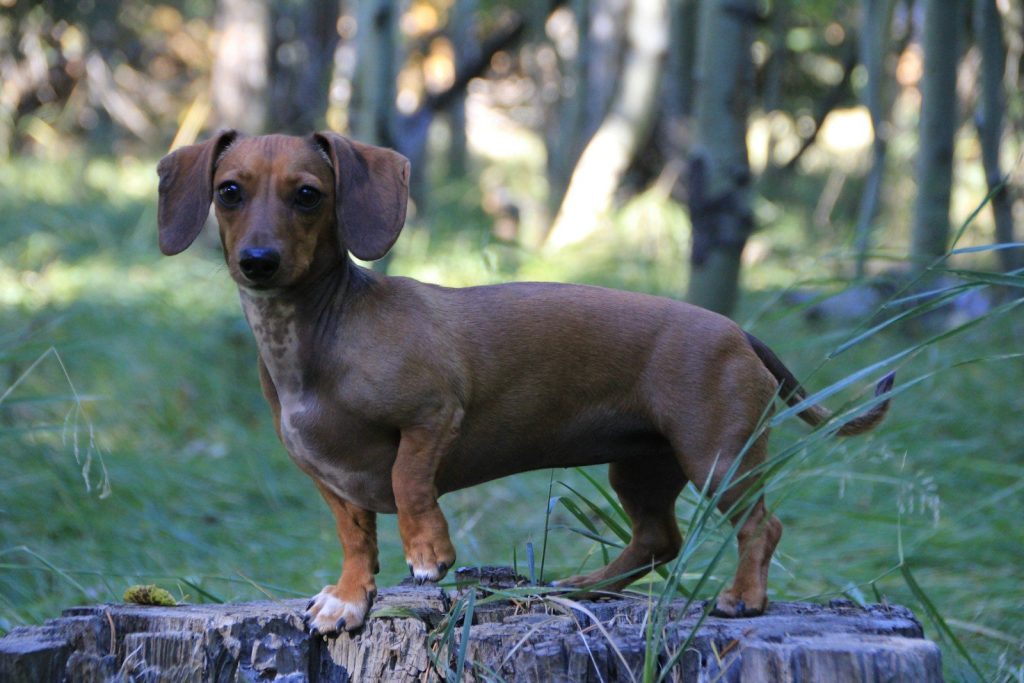
Read our full Dachshund profile →
Pros: Big personality in a small, apartment-friendly frame. Bonds intensely with their person and is often content with a couple of shorter walks plus play rather than hours of exercise. Comes in three coat types (smooth, longhaired, wirehaired) and two sizes (standard and miniature), so there’s more variety than people expect. Alert and quick to sound off, which makes them decent little watchdogs.
Cons: That long spine comes at a cost: this breed has a well-documented higher incidence of intervertebral disc disease (IVDD), and jumping on and off furniture is a real risk factor. Notoriously stubborn about housetraining — expect a longer timeline than average. Prone to barking at everything. Bred to dig and follow prey underground, so many are diggers and can be single-minded when they catch a scent.
Best for: Someone who wants a devoted, big-character companion in a small package, lives in an apartment or smaller home, and is willing to manage stairs, furniture jumping, and ramps to protect the dog’s back. A good fit for a patient owner who won’t be undone by slow housetraining.
Beagle
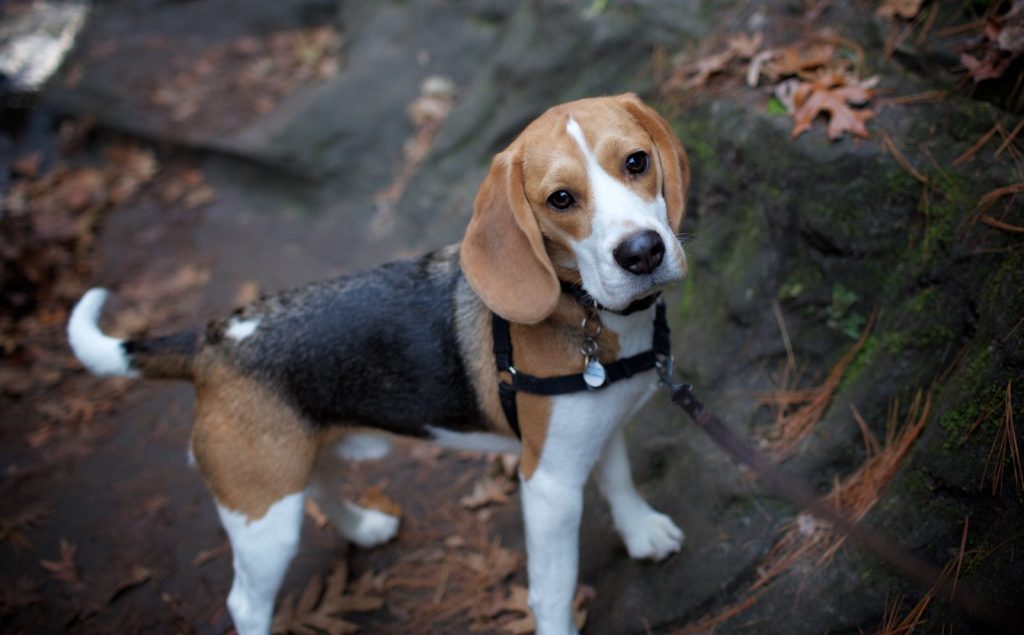
Read our full Beagle profile →
Pros: Friendly, even-tempered, and genuinely sociable — most Beagles like people and other dogs, which makes them a common choice for families. Sturdy and compact without the back fragility of the Dachshund. Low-maintenance short coat. Endlessly curious and food-motivated, which you can use to your advantage in training. Cheerful, forgiving temperament.
Cons: The nose runs the dog. A Beagle on a scent will tune you out completely, which makes off-leash reliability a lifelong challenge. Bred to work in packs and vocalize, so baying and howling can be loud and persistent, especially when bored or left alone. Needs real daily exercise — a bored Beagle chews, digs, escapes, and howls. Strong prey drive around small animals. Serial counter-surfers because of that appetite.
Best for: An active household or family that wants a friendly, robust dog, can commit to 60+ minutes of daily exercise and secure fencing, and has neighbors or a setup that can tolerate some noise. Great for people who want a dog that’s social with everyone rather than devoted to one person.
Side-by-side comparison
| Attribute | Dachshund | Beagle |
|---|---|---|
| Size | Miniature ~8–11 lb; Standard ~16–32 lb; long and low | Two varieties: under 13 in and 13–15 in; typically 20–30 lb |
| Energy level | Moderate — enjoys walks and play but not an endurance athlete | High — needs 60+ minutes of active exercise daily |
| Grooming | Depends on coat: smooth is easy, wirehaired needs hand-stripping, longhaired needs regular brushing | Easy — short coat, weekly brushing, seasonal shedding |
| Noise | Barky and alert; sounds off at visitors and sounds | Loud bay and howl; carries a long way and can persist when bored |
| Trainability | Stubborn and independent; housetraining is slow; needs patience and consistency | Food-motivated but easily distracted by scent; recall is a lifelong project |
| Sociability | Bonds hard with one or two people; can be reserved with strangers | Friendly with almost everyone, including other dogs and kids |
| Living space | Well suited to apartments and smaller homes | Adaptable but does best with a securely fenced yard and space to burn energy |
| Health watch-points | Higher incidence of IVDD (back/disc issues); manage weight and jumping | Generally sturdy; watch for ear infections, obesity, and epilepsy in some lines |
| Escape/prey drive | Diggers with a strong instinct to follow scent underground | Determined escape artists; will follow a scent trail for miles |
| Time alone | Prefers company; can be clingy with their person | Struggles with being left alone; boredom leads to howling and destruction |
Our verdict
Pick a Dachshund if you want a compact, deeply bonded companion and your life is more apartment-and-couch than trail-and-field. This breed gives you a huge personality in a small footprint, and its exercise needs are manageable. The trade-offs are real, though: you’re signing up to protect a fragile back for the dog’s whole life — ramps instead of jumps, weight management, and a vet you consult early about any sign of back pain — plus a stubborn housetraining stretch and a dog that barks at the doorbell.
If those don’t scare you, it’s a wonderful one-person or one-family dog. Pick a Beagle if you have the energy and the setup to keep one busy. This is the friendlier, more social breed — the one more likely to greet your guests and get along with the neighbor’s dog — and it’s physically sturdier, without the spine worries.
But the nose and the voice define daily life. You’ll need secure fencing, a leash-and-long-line habit because off-leash recall is genuinely unreliable, and either tolerant neighbors or a plan for the howling. A bored, under-exercised Beagle is a destructive, noisy Beagle.
The honest short version: choose the Dachshund for a lower-exercise, close-bonded apartment dog you’re willing to physically baby, and the Beagle for a friendly, active family dog you’re willing to physically and mentally tire out every single day. Neither is a hands-off breed.