
Overview
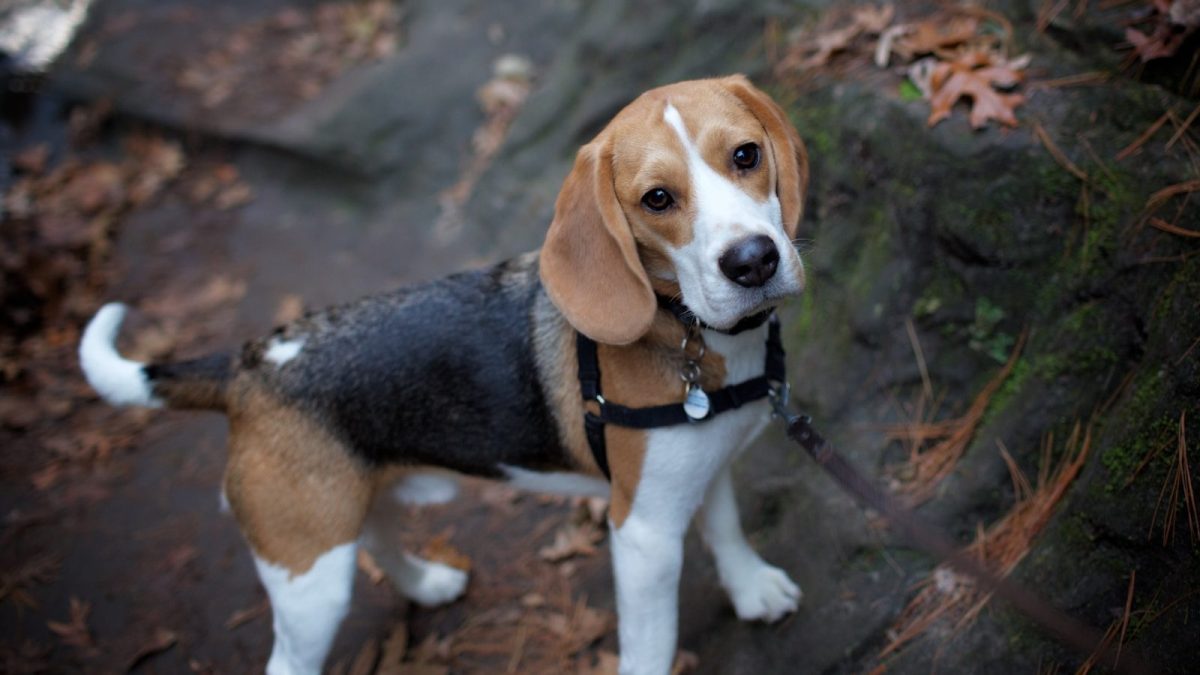
The Beagle is a small-to-medium scenthound bred to hunt rabbits and hares in packs. That heritage explains almost everything about the breed: the outstanding nose, the sociable temperament, the stamina, and the famous stubborn streak. Beagles were built to work with other dogs and people, so most are genuinely friendly with strangers, kids, and other pets.
Physically, they’re compact and hardy. Two size varieties exist under AKC standards — under 13 inches and 13 to 15 inches at the shoulder — with a short, weatherproof coat that comes in the classic tricolor plus other hound colors. They’re sturdy enough to keep up on a long hike and small enough to fit in a modest home.
What you’re signing up for is a dog who is led by his nose and motivated by food above almost everything else. That makes training possible but not always easy. A Beagle who catches a scent may stop hearing you entirely. If you want an eager-to-please dog who checks in constantly, this isn’t it. If you want a happy, resilient companion who’s game for adventure and forgives your mistakes, a Beagle can be a wonderful match.
Breed Origin & History
The Beagle’s roots trace to hound packs in England, though the modern breed took shape in the 19th century. Small hounds used for hunting hare — ‘beagling’ — existed for centuries before that, but breeders in Britain during the 1800s refined the type into the dog we recognize today. The Reverend Phillip Honeywood is often credited with developing an influential pack in Essex in the 1830s.
Beagles came to the United States and were recognized by the American Kennel Club in 1885. American breeders favored a slightly more refined, uniform dog, and the National Beagle Club (the AKC parent club) helped standardize the breed here. The two size varieties reflect the breed’s working past, when different sizes suited different game and terrain.
The FCI and AKC standards largely agree on type, though the FCI describes the breed with a height range of roughly 33 to 40 cm and doesn’t split it into two varieties the way the AKC does. For US readers, the AKC’s under-13-inch and 13-to-15-inch classes are the relevant frame.
The Beagle was bred to hunt in packs for hours, following ground scent with a distinctive baying voice that hunters could track from a distance. Every trait a modern pet owner wrestles with — the barking, the roaming, the single-minded focus on smells — was once a job requirement. Understanding that makes the breed far easier to live with.
Temperament & Personality
Beagles are merry. That’s the word the breed clubs use, and it fits. Most are outgoing, curious, and affectionate, happy to greet visitors and slot into a busy household. Because they were bred to work in packs, they’re usually excellent with other dogs and tolerant of kids.
But the traits that make them lovable cut both ways. That friendly nature means they’re poor guard dogs — a Beagle is more likely to show a burglar where the treats are than to defend the house. Their pack instinct also means many struggle with being left alone; a bored, lonely Beagle can bark, howl, and dig with real commitment.
The nose is the defining feature. A Beagle following a scent is not being disobedient — he’s doing exactly what generations of breeding designed him to do. This makes recall unreliable off-leash for most individuals, no matter how much you train. It also makes them escape artists who will dig under or squeeze through fences to chase an interesting smell.
They’re vocal. Beagles bay, bark, and make a distinctive drawn-out howl. Some are quieter than others, but if silence matters to you, look elsewhere.
Most Beagles are food-obsessed, which is your best training lever and also a real risk — they’ll counter-surf, raid trash, and eat things they shouldn’t. Individual dogs vary, but these tendencies are strong and consistent across the breed.
Is This Breed Right for You?
A Beagle suits an active household that wants a friendly, low-drama companion and is realistic about the trade-offs. If you have kids, other dogs, and a securely fenced yard, and you enjoy daily walks and outdoor time, you’re in the sweet spot. First-time owners can succeed with a Beagle, but only if they go in expecting a stubborn, scent-driven dog rather than an obedient one.
This breed is genuinely good for people who want a dog that’s sociable with everyone — visitors, children, cats raised alongside them, other dogs at the park. The Beagle’s easygoing friendliness is one of the breed’s real gifts.
Here’s who should think twice. If you want reliable off-leash freedom, a Beagle will frustrate you — the nose wins. If you live somewhere with strict noise rules or thin apartment walls, the baying can become a serious problem, especially if the dog is left alone. If you’re gone ten hours a day with no plan for company or enrichment, a Beagle will find destructive ways to cope.
Apartment living is possible but demanding: you’ll need to meet the exercise and mental-stimulation needs entirely on walks and outings, and manage barking with real training. A house with a tall, dig-proof fence is much easier.
Beagles are not for neat freaks who want a dog that ignores the trash, or for anyone who imagined a quiet, protective, always-attentive companion. They’re for people who find a determined, nose-to-the-ground, cheerfully independent dog endearing rather than exhausting.
Care & Exercise Needs
Plan on at least 60 to 90 minutes of exercise daily, split across walks and play. Beagles have real stamina and need it burned off. Because of the scent drive, keep them leashed or in a securely fenced area — even a well-trained Beagle may bolt after a smell. A long-line and scent-based games (hiding treats, snuffle mats, ‘find it’ work) satisfy the nose and tire them mentally, which matters as much as physical exercise.
Training works best with high-value food rewards, short upbeat sessions, and a lot of patience. Positive reinforcement is far more effective than corrections with this breed. Start recall and leash manners early, but keep expectations honest — a Beagle following a scent may simply not respond. Crate training helps with house-training and gives them a den when left alone.
Grooming is easy. The short double coat needs a weekly brush, more during seasonal sheds when they drop noticeably. They shed year-round at a moderate level. Check and clean those long drop ears regularly, since the shape traps moisture and debris. Keep nails trimmed and stay on top of dental care.
Watch the food. Beagles are notorious for weight gain because they’ll eat well past full and beg convincingly. Measure meals, limit treats (they add up fast with all that reward-based training), and keep counters and trash secured.
Mental stimulation is not optional. A Beagle without a job for his brain finds his own entertainment, usually something you won’t like.
Health Considerations
Beagles are generally hardy, but the breed is known to have a higher incidence of a few conditions worth knowing about. Obesity is common and largely preventable — it’s driven by that food drive and worsens most other health problems. Ear infections occur more often because of the long, low-set ears that limit airflow.
The breed is known to have a higher incidence of certain eye conditions, including glaucoma and cherry eye, and of hypothyroidism. Some lines carry intervertebral disc disease and hip dysplasia. A neurological condition sometimes called ‘Musladin-Lueke Syndrome’ appears in the breed, and a DNA test exists for it. Epilepsy is also seen more than in some breeds.
Beagles’ popularity in research settings means the breed is well studied, and responsible breeders screen for many of these issues. The National Beagle Club provides guidance on recommended health testing for the breed.
With good care, many Beagles live 10 to 15 years. Keeping weight in a healthy range, staying current on ear care and dental hygiene, and maintaining regular checkups go a long way.
None of this is diagnostic — it’s a map of what’s more likely in the breed so you can watch for it. For anything specific to your dog, including screening schedules and any symptoms you notice, consult your veterinarian.
Recommended Gear Categories
Start with a secure harness. Beagles pull toward interesting smells, and a front-clip or no-pull harness gives you control without straining the neck. Pair it with a standard leash for walks and a long-line (15 to 30 feet) for scent games in open spaces where off-leash isn’t safe.
Since this is a nose-driven, food-motivated breed, invest in enrichment: snuffle mats, puzzle feeders, and slow-feeder bowls all channel the Beagle’s instincts and slow down eating. A treat pouch makes reward-based training practical.
A well-sized crate helps with house-training and gives an anxious or under-stimulated Beagle a safe space. For escape-prone yards, look at secure fencing and dig barriers rather than relying on any single fix.
Because they shed year-round, a basic rubber curry or short-bristle brush earns its keep. And given the ear anatomy, keep vet-approved ear-cleaning supplies on hand. Your editor will link specific products where relevant.
Similar Breeds to Consider
If you love the Beagle’s friendliness but want a bit less independence, consider the Cocker Spaniel. Cockers share the merry, affectionate temperament and moderate size, but they tend to be more people-focused and easier to keep engaged, though they need more coat grooming.
If the scenthound personality appeals but you want a larger or a smaller version, look at the Basset Hound or the Harrier. The Basset has the same nose-first stubbornness in a heavier, lower-energy package — great if you want a laid-back home life and can tolerate drool and a strong will. The Harrier is essentially a bigger Beagle, better suited to homes with lots of space and higher exercise capacity.
If you want the trainability the Beagle lacks while keeping the family-friendly nature, a Labrador Retriever or a Cavalier King Charles Spaniel may fit better. The Lab is more biddable and eager to please, though far larger and more energetic. The Cavalier is small, gentle, and affectionate, better for apartment life and quieter homes — but it’s a much more delicate dog with its own significant health concerns to research.