
“Best breed for families with toddlers” is a useful search, but it’s shorthand for something more specific: which breeds tend to tolerate the chaos of small children while staying safe, patient, and manageable for busy parents. There is no breed that is universally best. There’s only a better or worse fit for your particular home, your energy level, and how much dog you can actually handle right now.
Toddlers are unpredictable. They grab, they poke, they scream, they trip over sleeping dogs. A great toddler-house dog is one that shrugs most of that off, gives clear warning signs when it’s had enough, and recovers quickly.
That’s temperament — and while temperament runs in breeds as tendencies, it is never a guarantee for an individual dog. One thing to say up front: no dog and toddler should ever be left alone together, no matter how gentle the breed. Supervision does more for safety than breed choice ever will.
The breeds below are ones we’d genuinely suggest to a friend in this situation — with their downsides named, because the downsides are how you avoid picking wrong.
What ‘families with toddlers’ actually means for breed selection
A house with a toddler has a specific set of constraints. Your time is fragmented — you can’t commit to two hours of daily training or a dog that needs a marathon every morning. Your energy is limited. There’s noise, sudden movement, and food on the floor at all times. And there’s a small human who does not understand that pulling a tail hurts.
That points toward a few real priorities. You want a dog with a high tolerance for handling and startle, one that doesn’t guard food or toys intensely, and one that gives readable warnings rather than snapping without buildup. You want a size and energy level you can physically manage on a stroller walk or a bad-sleep morning. And you want a temperament that’s forgiving of inconsistent training, because let’s be honest — training will be inconsistent for a while.
What you generally don’t want, at this stage of life, is a breed that needs heavy daily exercise to stay sane, a strong guarding or herding instinct that can turn a running toddler into a target, or a dog so tiny and fragile that a normal toddler stumble could injure it.
What we looked for
Four things, weighted roughly in this order.
Temperament and tolerance first. Breeds with a reputation for patience, low reactivity, and clear warning behavior. This matters more than anything.
Manageable energy and trainability for busy, often first-time owners. A dog you can tire out with 30–60 minutes and some backyard play beats a dog that needs structured work every single day. Biddable, eager-to-please breeds forgive the imperfect training that comes with parenting a toddler.
Size and sturdiness. Medium-to-large sturdy dogs handle accidental toddler roughness better than very small breeds, which can be injured by a fall or a squeeze. But bigger dogs can also knock a toddler over by accident, so we favored steady temperaments over pure size.
Honest trade-offs. Every breed here has a cost — shedding, drool, grooming bills, exercise demands, or separation-related stress. We flagged those so you can rule breeds out for the right reasons. We also weighted allergy considerations: no dog is truly hypoallergenic, but shedding and dander load vary a lot, and it matters if someone in the house reacts.
Our recommendations
1. Labrador Retriever
Read our full Labrador Retriever profile →
Why it fits: The Lab is the default family-dog recommendation for good reasons. Most are patient, food-motivated (which makes training straightforward for first-timers), and genuinely enjoy the noise and activity of a busy household. They tend to tolerate handling well and bounce back from chaos. Their size makes them sturdy enough that a toddler stumble won’t hurt them. The AKC and the parent club describe the breed’s temperament as friendly, outgoing, and eager to please.
Watch out for: Labs are high-energy, especially in the first two to three years — a bored, under-exercised Lab is a counter-surfing, furniture-chewing disaster, and ‘no time to exercise the dog’ is a real risk with a toddler in the house. Plan on at least 60 minutes of activity daily. They shed heavily year-round and are not a good match for allergy-sensitive homes.
Their enthusiasm means a young Lab can knock a toddler flat without meaning to, so early training around calm greetings matters. This breed is also prone to hip and elbow issues and can gain weight easily — ask a veterinarian about weight management and joint monitoring.
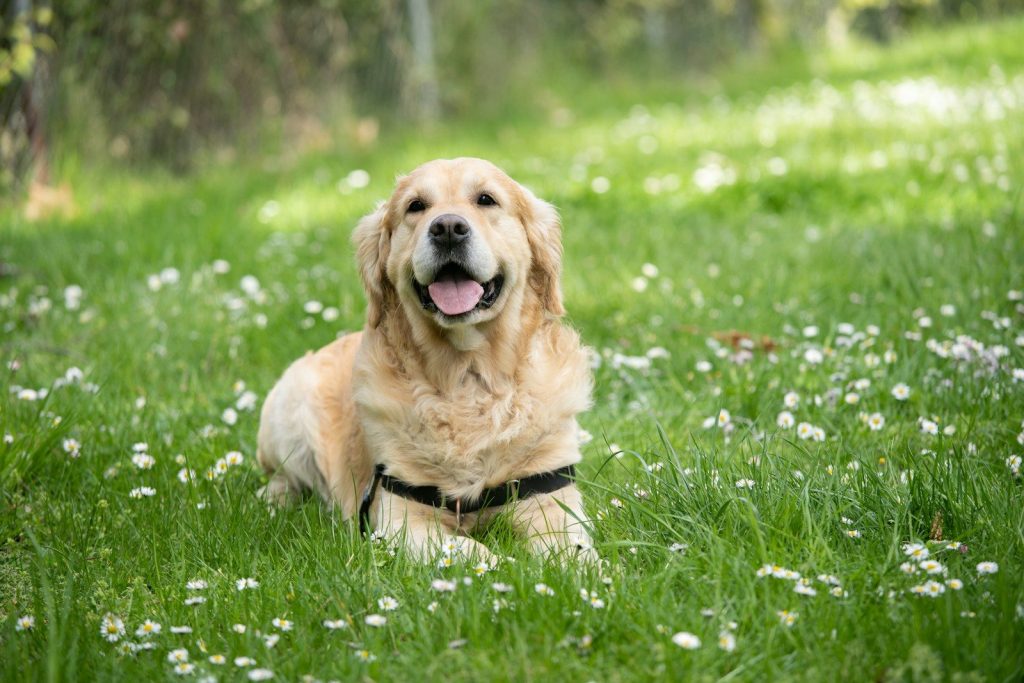
2. Golden Retriever

Read our full Golden Retriever profile →
Why it fits: Similar to the Lab in temperament — friendly, biddable, tolerant — but often a touch softer and gentler in day-to-day energy. Most Goldens are patient with handling and slow to react badly, which is what you want around unpredictable little hands. They’re highly trainable and tend to want to be wherever the family is. The parent club and AKC consistently describe an eager, people-oriented temperament.
Watch out for: The coat is a real commitment: heavy shedding plus regular brushing to prevent mats, and they’re not allergy-friendly. Goldens are strongly people-oriented and can struggle with being left alone for long stretches — if your household is empty most of the day, this breed may not thrive. They also need real daily exercise (think 60 minutes or more). Health-wise, Goldens have an elevated incidence of certain cancers and hip issues; discuss screening and lifetime monitoring with your veterinarian.
3. Beagle
Read our full Beagle profile →
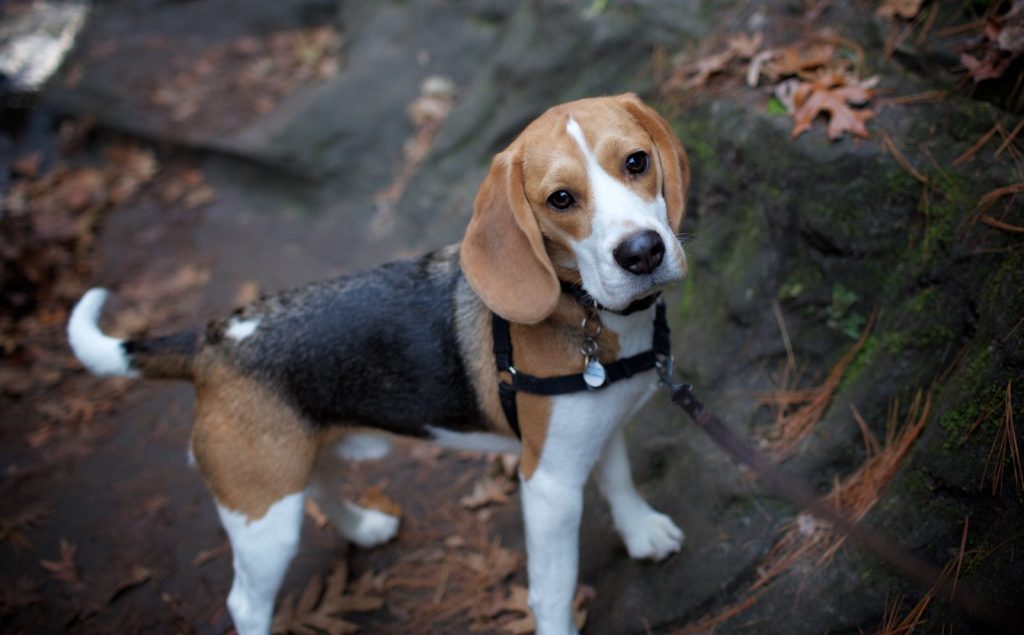
Why it fits: A sturdy, small-to-medium dog with an even, sociable temperament. Beagles were bred to work in packs, so most are companionable and tolerant of commotion. Their size is manageable for parents who don’t want a large dog, and they’re generally cheerful and durable. The AKC describes them as merry and friendly.
Watch out for: Beagles are scent hounds first — nose down, selectively deaf, and prone to wandering off a scent trail, which makes recall training genuinely hard for first-timers. They can be vocal (baying and howling), which is worth considering with a napping toddler. They’re food-obsessed and will raid a dropped snack instantly, so counter and floor management matters. Moderate shedding. They need daily walks and mental stimulation or they get bored and destructive.
4. Poodle (Standard)
Read our full Poodle (Standard) profile →
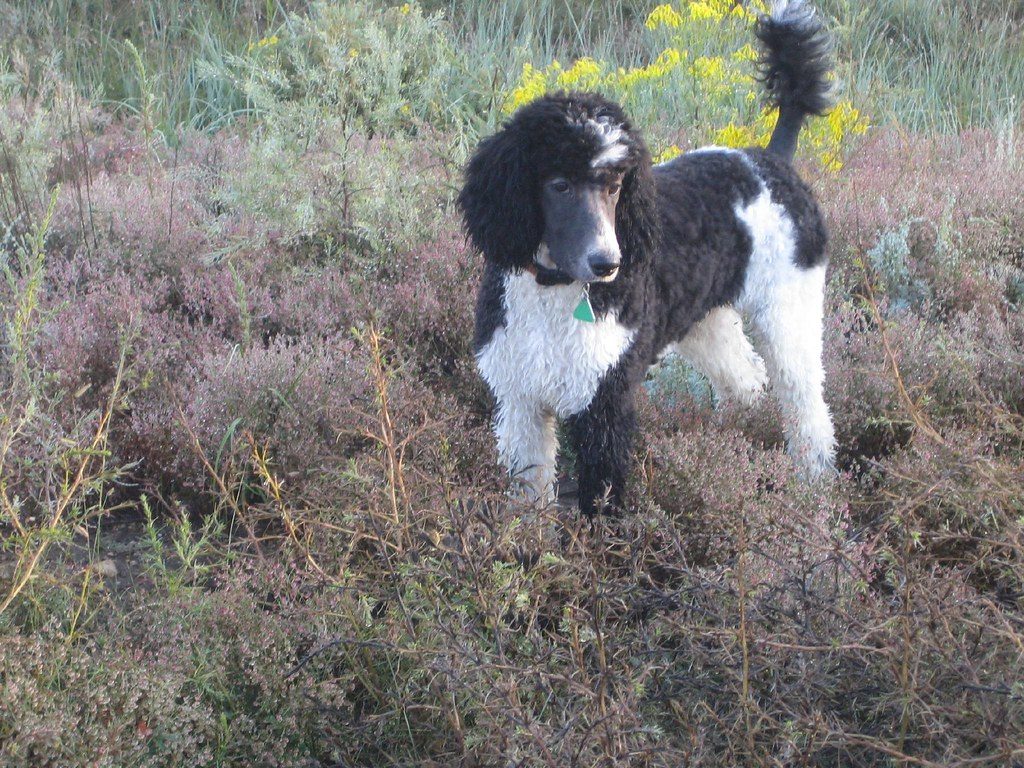
Why it fits: One of the few genuinely lower-shedding options that also has a great family temperament. Standard Poodles are highly intelligent, very trainable, and typically gentle and patient with children when well-socialized. The larger size makes them sturdier around toddlers than the Toy or Miniature. Their coat sheds far less than most breeds, which helps allergy-aware households — though ‘lower dander’ is not the same as ‘no reaction,’ so test with an individual dog before committing.
Watch out for: That low-shed coat is high-maintenance: regular professional grooming every four to six weeks plus at-home brushing, or it mats badly. Budget for it. Poodles are smart enough to get bored and invent problems if under-stimulated, so they need mental work, not just walks. Some lines are sensitive or high-strung, so meeting the individual dog and asking about temperament matters. They can also be reserved with strangers.
5. Bichon Frise

Why it fits: A small, cheerful, people-loving breed for families who want something little without the fragility-and-nerves problem some tiny breeds have. Bichons are generally playful, affectionate, and adaptable to apartment or smaller-home life. The coat is low-shedding, which helps allergy-aware households. The AKC describes a merry, gentle-mannered temperament.
Watch out for: Small size means a toddler can injure the dog with a fall or a squeeze — supervision here is as much about protecting the dog as the child. The coat needs regular professional grooming and daily brushing to avoid matting. Bichons are companion dogs that bond closely and can develop separation-related distress if left alone a lot. Housetraining can take patience with this breed. They’re not a match if you want a rugged, hands-off dog.
6. Newfoundland
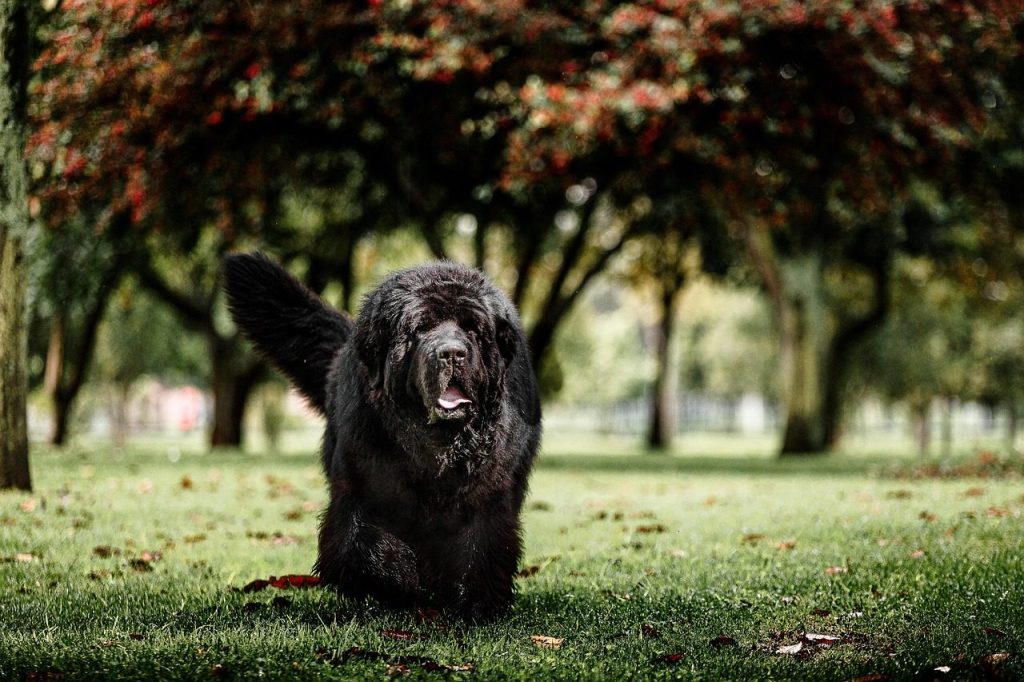
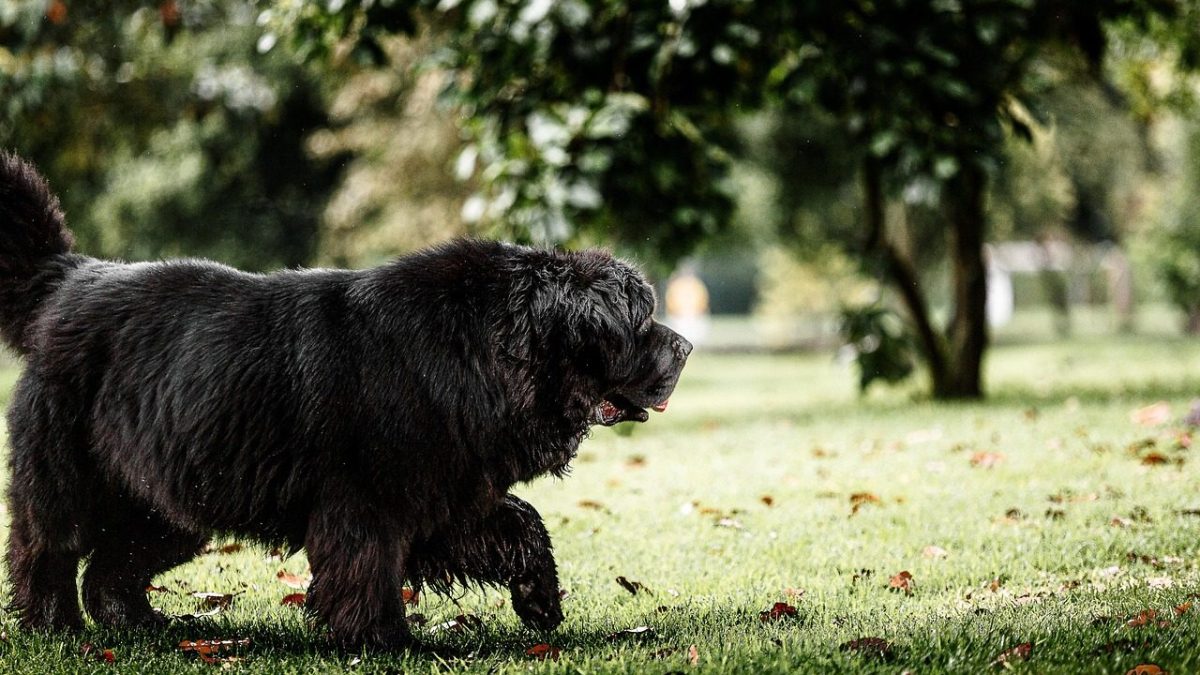
Why it fits: The classic ‘nanny dog’ reputation is rooted in real temperament: most Newfoundlands are calm, patient, sweet-natured, and remarkably tolerant. They’re low-key indoors compared to the retrievers, which suits a household that’s already high-energy from the toddler. Their steadiness and gentleness are the whole point of the breed. Parent-club and AKC descriptions emphasize a sweet, patient disposition.
Watch out for: Size is the big one — this is a giant breed, and even a calm, well-meaning Newf can bowl over a toddler simply by turning around. They drool, a lot, and shed heavily; not remotely allergy-friendly. Giant breeds have shorter lifespans and higher rates of certain heart and joint conditions — discuss screening with a veterinarian. They need space, and the food and vet bills are giant-sized too. Great temperament, high logistics.
7. Cavalier King Charles Spaniel
Read our full Cavalier King Charles Spaniel profile →
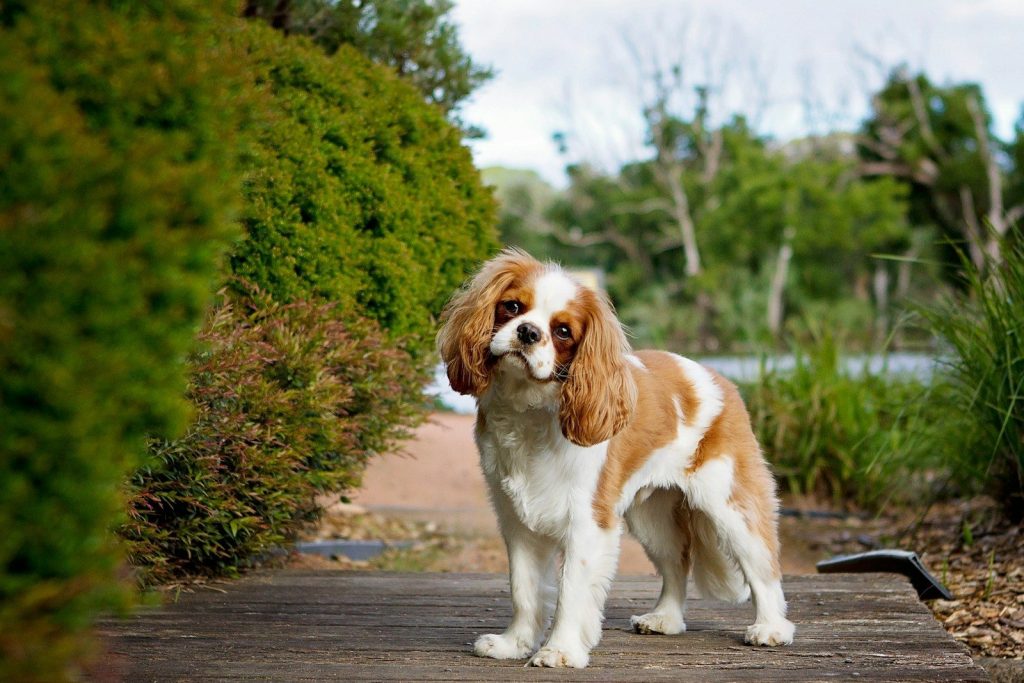
Why it fits: Gentle, affectionate, and adaptable — one of the more consistently mild-tempered small breeds. Cavaliers are typically happy to match your energy, whether that’s a walk or a nap, which fits an unpredictable toddler-driven schedule. They’re generally patient and sociable, and their moderate size (a bit sturdier than toy breeds) is a plus. The AKC describes them as affectionate and eager to please.
Watch out for: This breed has significant well-documented health concerns, including a high incidence of mitral valve heart disease and a neurological condition called syringomyelia. This is important enough that we’d tell a friend to research breed health thoroughly and talk with a veterinarian about what monitoring looks like before choosing this breed. They’re small enough that toddler roughness can hurt them, they shed moderately, and they bond closely and dislike being left alone for long.
How we made these picks
We built this list around temperament and tolerance first, because supervision and temperament — not breed alone — are what keep toddlers and dogs safe. We drew on breed standards and temperament descriptions from the American Kennel Club (akc.org) and the respective breed parent clubs, and on general breed-health information that we frame as ‘known higher incidence’ rather than medical guidance. We did not consult or reference breeders, and we don’t recommend specific ones; for finding a healthy dog, we point readers to breed parent clubs and the AKC Breeder of Merit list.
We deliberately excluded some breeds that appear on other ‘best family dog’ lists. High-drive herding breeds like Border Collies and Australian Shepherds are brilliant dogs but often nip at movement and need more structured work than most toddler-stage households can give — a running, shrieking toddler can trigger herding behavior. We left off very small toy breeds that are easily injured by normal toddler handling, and we avoided leading with strong guarding breeds, which demand experienced handling and careful management around unpredictable children.
Excluding a breed here is about life-stage fit, not about the breed being ‘bad.’ Every breed listed still has real trade-offs — energy, grooming, shedding, size, or health. These are tendencies, not guarantees; individual dogs vary widely. Meet the specific dog, and if allergies are a factor, spend real time with a dog of that breed before deciding.