

At a glance, these two look like cousins — both are small, flat-faced, big-eared companion dogs bred for city living and lap time. People shortlist them together for good reason. But spend real time with each and the differences show up fast.
The Boston Terrier is lighter, springier, and generally more athletic. The French Bulldog is stockier, more of a homebody, and comes with a bigger price tag and a longer list of health cautions. One is a bit more of a couch dog; the other is a bit more of a clown who wants to play fetch until you give up.
Neither is ‘better.’ They just fit different lives.
French Bulldog
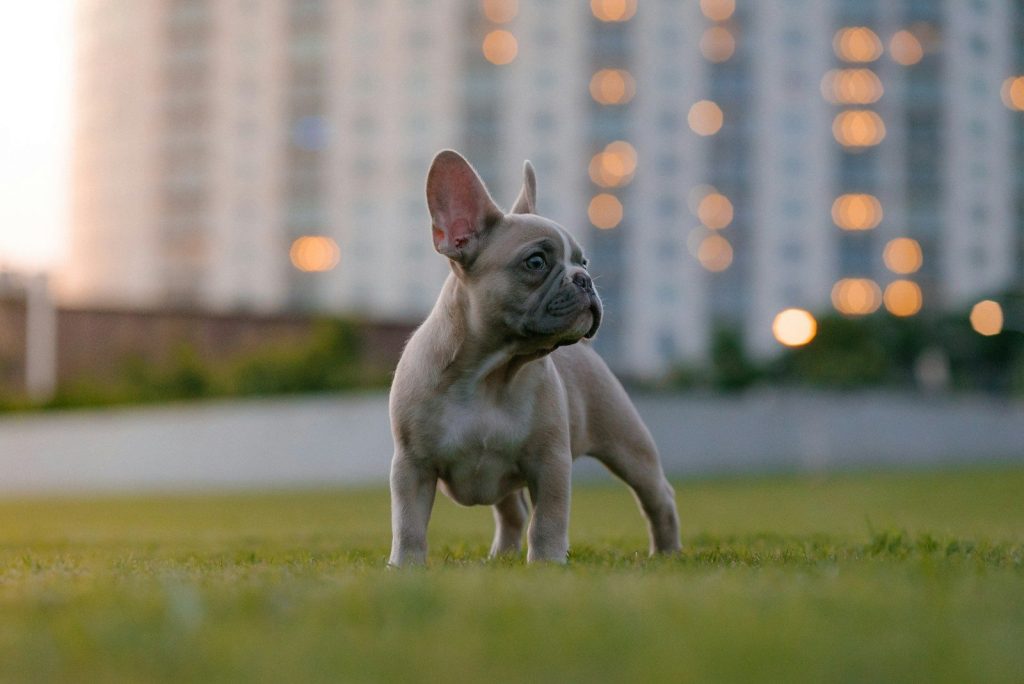
Read our full French Bulldog profile →
Pros: Affectionate, low-exercise, and quiet by small-dog standards — most Frenchies bark far less than a terrier. They’re happy in apartments and content to be near you rather than underfoot every second. Their calm, people-focused nature makes them steady companions for people who want a dog that mostly wants to hang out.
Cons: This is a brachycephalic (flat-faced) breed with real, well-documented health considerations. The breed is known to have a higher incidence of breathing difficulties, heat intolerance, spinal issues, and skin-fold irritation. They overheat quickly and can’t be exercised hard in warm weather. Most Frenchies can’t swim and should never be left unsupervised near water. They’re also expensive to buy and often expensive to insure and treat.
Best for: Someone in an apartment or smaller home who wants a low-energy, deeply affectionate companion, has room in the budget for higher vet and insurance costs, and lives somewhere they can keep the dog cool.
Boston Terrier
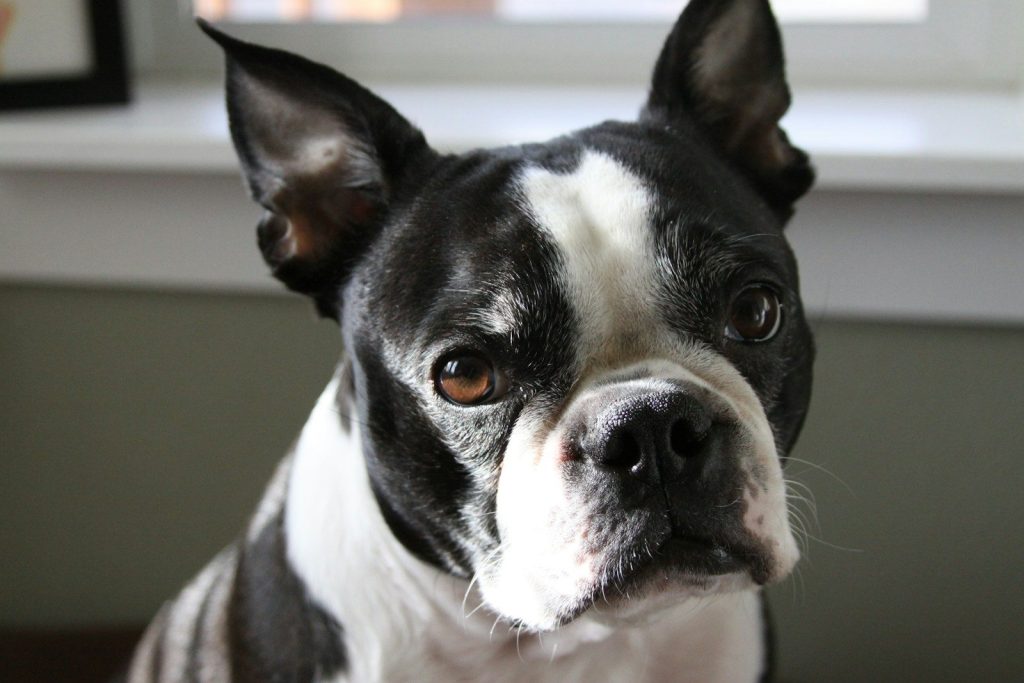
Read our full Boston Terrier profile →
Pros: Lively, funny, and adaptable — the ‘American Gentleman’ is playful without being high-strung. They’re generally more athletic than a Frenchie and enjoy fetch, short runs, and games, but still settle down indoors. They tend to be friendly with strangers and other dogs, and they usually cost less to buy than a French Bulldog.
Cons: Still a brachycephalic breed, so heat sensitivity and breathing concerns apply, though typically to a lesser degree than the Frenchie. Their large, prominent eyes are prone to injury and irritation. Many are gassy. They can be more vocal and more energetic than people expect from a ‘lap dog,’ and some have a stubborn streak during training.
Best for: Someone who wants a small dog with a bit more pep — daily play and short walks, a social personality, a lighter price tag — and who’s fine with a dog that’s a little more active and a little more talkative.
Side-by-side comparison
| Attribute | French Bulldog | Boston Terrier |
|---|---|---|
| Energy level | Low. Two or three short walks plus indoor play — roughly 20–40 minutes of gentle activity daily. | Moderate. Enjoys 45–60 minutes daily across walks, fetch, and play; more athletic than it looks. |
| Size | Compact and heavy for its height — typically under 28 lb, thick and muscular. | Lighter and leggier — typically 12–25 lb, split into weight classes. |
| Grooming | Low coat maintenance, but facial and body skin folds need regular cleaning to prevent irritation. | Low. Short coat, occasional brushing; eyes need routine gentle cleaning and monitoring. |
| Noise level | Quiet. Rarely barks much; more likely to snort, snore, and grunt. | More vocal. Alert barking is common, though not excessive with training. |
| Heat tolerance | Poor. Overheats fast; needs air conditioning and no exercise in hot, humid weather. | Poor to fair. Also heat-sensitive, but generally a bit more tolerant than the Frenchie. |
| Trainability | Willing but can be stubborn; responds best to short, food-motivated sessions. | Bright and eager, with an occasional independent streak; usually quick to learn basics. |
| Health considerations | Higher incidence of breathing (BOAS), spinal, and skin issues; often costlier to insure and treat. | Brachycephalic concerns plus prominent-eye injuries; generally fewer intensive issues than the Frenchie. |
| Typical purchase cost | High — one of the more expensive small breeds to acquire. | Moderate — usually notably less than a French Bulldog. |
| Good with strangers/dogs | Friendly but can be more people-focused and selective with other dogs. | Typically outgoing and social with people and dogs alike. |
Our verdict
If you want the calmer, quieter dog — the one that’s content to nap beside you and treats a lap as its natural habitat — the French Bulldog is your match, provided you can afford the higher purchase price and the real possibility of higher vet and insurance costs. This breed asks less of your legs and more of your wallet. It’s a wonderful fit for apartment dwellers, homebodies, and anyone who wants intense affection without a dog that needs a job.
Just be honest about the climate you live in and the breathing risks that come with the flat face. If you want a little more spark — a dog that’ll chase a ball, meet your friends at the door, and match a moderately active routine — the Boston Terrier is the stronger pick. It’s usually cheaper to buy, generally a touch healthier, and more of a social butterfly.
The trade-off is more energy, more barking, and eyes you’ll need to watch closely. Both are brachycephalic, so neither is the right dog if you want a jogging partner, a swimmer, or a dog that can handle hot summers outdoors. Choose the Frenchie for a quiet, cuddly, budget-permitting companion; choose the Boston for a livelier, more affordable, more sociable one.
Whichever way you lean, ask your veterinarian about brachycephalic breathing health before you commit.