
Overview
The Boston Terrier is a compact, tuxedo-marked companion dog that was bred for one job: being good company. Unlike most breeds on this site, it wasn’t developed to hunt, herd, or guard. It exists to sit on your lap, follow you room to room, and make you laugh. And it’s good at that job.
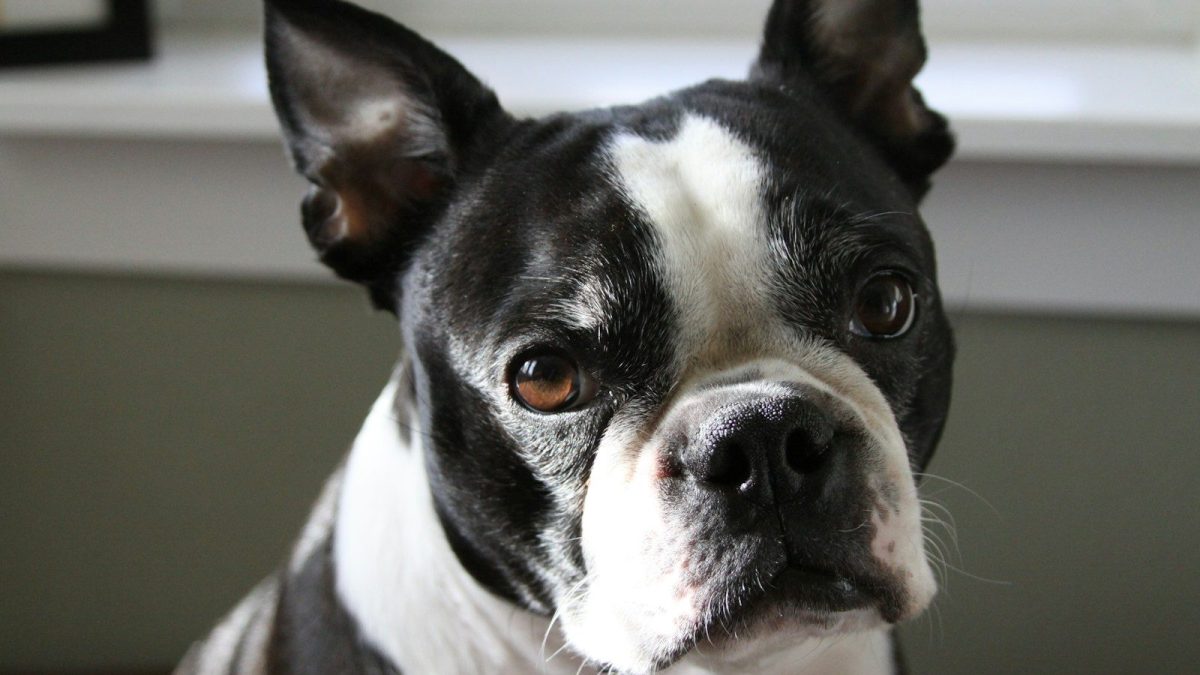
Most Boston Terriers weigh under 25 pounds, with a short smooth coat, big round eyes, and upright ears that give them a permanently alert, slightly surprised expression. The breed’s nickname, “the American Gentleman,” comes from its tidy black-and-white markings and its generally polite disposition. This is one of the few breeds that originated in the United States, and it’s carried a loyal American following for over a century.
Here’s the honest headline: the Boston Terrier is an easygoing, adaptable dog that fits city life and first-time owners well. But its flat face — the same feature that makes it so appealing — brings real health considerations around breathing and heat. If you go in aware of that, this is a genuinely delightful breed. If you expect a rugged, weatherproof dog you can jog with in July, look elsewhere.
Breed Origin & History
The Boston Terrier traces back to Boston, Massachusetts, in the 1870s. The breed’s foundation dog, commonly cited as “Hooper’s Judge,” was a cross between a Bulldog and a now-extinct white English Terrier. Judge and his descendants were bred down in size and refined over the following decades by local fanciers.
Early on, these dogs were heavier and had connections to the pit-fighting culture of the era. But breeders quickly moved the type toward companionship rather than combat, selecting for a smaller, gentler, more even-tempered dog. The result was one of the first breeds developed in the United States specifically as a companion.
The American Kennel Club recognized the Boston Terrier in 1893, making it one of the earliest AKC-registered breeds and the first of the non-sporting American breeds. It became enormously popular in the early 20th century and was among the most registered breeds in the country for decades. In 1979 it was named the official state dog of Massachusetts.
Modern breed standards call for a compact, well-balanced dog with the distinctive “tuxedo” markings — a white blaze, white chest, and white on the muzzle against a base of black, brindle, or seal. The FCI also recognizes the breed and groups it among companion and toy dogs, with weight classes broadly aligned to the AKC’s under-25-pound guidance. For US readers, the AKC standard is the reference point.
Temperament & Personality
Boston Terriers are affectionate, people-focused, and genuinely funny. Most are happy to be wherever you are, and they read your mood well. They tend to be friendly with strangers rather than suspicious, which makes them poor guard dogs but pleasant companions in busy settings.
They’re playful without being frantic. A Boston will do zoomies around your living room and then flop onto the couch for a two-hour nap. That balance — lively but not relentless — is part of why they suit apartments and less athletic owners. Many have a clownish streak and will repeat behaviors that get a laugh.
Now the trade-offs. That deep attachment to people means most Boston Terriers do not do well left alone for long stretches. This breed is prone to separation-related stress, and a bored, lonely Boston can become a barky, destructive one. If your household is empty ten hours a day, this is not the ideal choice.
They can also be stubborn in a charming, low-key way — not defiant, just selectively deaf when something more interesting is happening. Housetraining takes patience with some individuals. And while most are gentle, some Bostons are quite vocal and reactive to doorbells, other dogs, or sudden noises. Early socialization matters. Individual variation is real here: you’ll meet placid couch-potato Bostons and springy, opinionated ones, sometimes in the same litter.
Is This Breed Right for You?
The Boston Terrier suits people who want a small, affectionate dog that fits into daily life without a lot of fuss. Specifically: apartment and condo dwellers who can offer two or three short walks and some indoor play each day. First-time owners who want a forgiving, people-oriented breed. Retirees and people who work from home — because a Boston wants company and rewards you with constant companionship. Families with older, gentle children who understand a small dog isn’t a toy.
It also suits people in temperate or air-conditioned environments. This is a breed that can genuinely struggle in heat and humidity.
Here’s who should think twice. Anyone who wants a running or hiking partner for long, hot outings — a flat-faced breed can’t cool itself efficiently, and pushing one in summer heat is dangerous. People who are away from home ten-plus hours a day without a dog walker or company, because Bostons are prone to separation stress. Households wanting a watchdog or protection dog — they’ll announce a visitor and then try to lick them. People who want a dog they can leave outside; Bostons are strictly indoor dogs, sensitive to both cold and heat. And anyone on a tight budget who hasn’t planned for potential vet costs, because the breed’s brachycephalic (flat-faced) build carries a higher likelihood of breathing, eye, and dental issues.
If you want a low-shedding, hypoallergenic dog, this isn’t it either — the short coat sheds modestly year-round. But if you want a compact, funny, deeply affectionate companion for a home where someone’s usually around, and you can commit to keeping the dog cool and getting good vet care, the Boston Terrier is one of the easier small breeds to live with.
Care & Exercise Needs
Exercise needs are moderate. Aim for two to three short walks totaling around 45–60 minutes a day, plus some indoor play. That’s usually enough. Avoid strenuous exercise in heat and humidity — a Boston can overheat fast, and hard breathing in warm weather is a warning sign, not a normal state. Walk during cooler parts of the day in summer, and don’t leave a Boston in a warm car or sunny yard.
Grooming is simple. The short, smooth coat needs a weekly brush to manage shedding and keep it looking sharp. Bostons shed modestly all year — noticeable but manageable. Bathe every few weeks or as needed. Clean the facial wrinkles and folds regularly to prevent moisture buildup, wipe the eyes (they’re large and exposed), and keep nails trimmed. Dental care matters: small flat-faced breeds are prone to crowded teeth, so regular tooth brushing and vet dental checks pay off.
Mental stimulation keeps a Boston happy. They’re smart and enjoy puzzle feeders, short training games, and learning tricks — which they’ll happily perform for an audience. Ten to fifteen minutes of training a day goes a long way.
Training approach: use positive, reward-based methods. Bostons are sensitive and don’t respond well to harsh corrections. They can be a little stubborn and slow to housetrain, so be consistent, patient, and generous with rewards. Start socialization early to head off barkiness and reactivity. Because of their attachment to people, gradually building tolerance for short alone-times from puppyhood helps prevent separation problems later.
Health Considerations
The Boston Terrier is a brachycephalic (flat-faced) breed, and that shapes most of its health picture. The breed is known to have a higher incidence of Brachycephalic Obstructive Airway Syndrome (BOAS), which can cause noisy breathing, exercise intolerance, and heat sensitivity. Because they can’t cool themselves efficiently by panting, Bostons are more vulnerable to heatstroke than longer-nosed breeds.
The large, prominent eyes are another area of concern. The breed is known to have a higher incidence of corneal ulcers, cataracts, and other eye conditions, partly because those exposed eyes are more prone to injury. Owners often watch for squinting, cloudiness, or excessive tearing.
Bostons are also known to have a higher incidence of patellar luxation (kneecap slipping), certain heart conditions, and — because of their build — difficulty giving birth naturally, with many litters delivered by cesarean. Deafness occurs in some lines, and allergies and skin sensitivities are not uncommon. Dental crowding, typical of short-muzzled breeds, makes dental care a lifelong priority.
Many reputable sources recommend health screening in breeding dogs, including eye and patella evaluations and hearing tests. A healthy Boston Terrier typically lives 11–13 years.
None of this means every Boston will have problems — plenty live long, comfortable lives. But going in with clear eyes about the breed’s tendencies helps you plan and budget. For any specific concern about your dog’s breathing, eyes, joints, or weight, consult your veterinarian rather than relying on general breed information.
Recommended Gear Categories
A few gear categories matter more than usual for this breed. First, skip the neck collar for walks and use a well-fitted harness — pressure on the throat is a bad idea for a flat-faced dog with a sensitive airway. Look for a harness that distributes pressure across the chest and shoulders.
Because Bostons are heat-sensitive, consider a cooling mat or cooling vest for warm months, and always have fresh water available on outings. In cold weather, the short single coat offers little insulation, so a snug dog coat or sweater is genuinely useful for winter walks, not just cute.
For the exposed eyes and facial folds, keep soft, pet-safe wipes on hand for regular cleaning. A raised or slow-feeder bowl can help some flat-faced dogs eat and drink more comfortably. Dental care gear — a dog toothbrush and vet-approved toothpaste — earns its place given the breed’s crowded teeth.
For enrichment, puzzle feeders and durable chew toys sized for a small, strong-jawed dog keep a bored Boston occupied. Your editor will add specific product recommendations with current pricing and details.
Similar Breeds to Consider
If you love the Boston’s look and size but want to compare, the French Bulldog is the obvious neighbor. Frenchies share the flat face, compact build, and affectionate, people-focused nature — along with the same heat sensitivity and breathing considerations. Frenchies tend to be a bit stockier and quieter, while Bostons are usually a touch more athletic and springy. Neither is a good pick for hot climates or long absences.
If the brachycephalic health concerns worry you, consider a longer-nosed alternative. The Rat Terrier is a similar-sized American breed with a normal muzzle, more energy, and fewer breathing worries — a better match for someone who wants a small dog they can actually be active with. The Miniature Schnauzer is another sturdy small companion, more alert and vocal, with a low-shedding coat that suits allergy-conscious homes better than a Boston’s shedding coat.
For those drawn mainly to the Boston’s affectionate, velcro personality in a small package, the Pug is worth a look — equally devoted and comedic, though it shares (and often exceeds) the Boston’s flat-faced health profile and sheds more. In short: choose the Boston or Frenchie if the flat-faced look is the draw and you can manage the trade-offs; choose the Rat Terrier or Mini Schnauzer if you want a similar size with a longer muzzle and easier warm-weather living.