

On paper, these two look like the same dog in different coats. Both are tiny — usually 4 to 7 pounds. Both carry long, flowing, low-shedding hair.
Both were bred to be companions and both will happily ride around in a tote bag. That’s why people end up choosing between them. But spend time with each and the difference shows up fast.
The Yorkshire Terrier is a terrier first and a lapdog second — bold, opinionated, wired to chase and bark and boss the room. The Maltese is a companion breed through and through, softer in temperament and more focused on staying close to you. Neither is easier across the board.
They’re just easier for different people.
Yorkshire Terrier
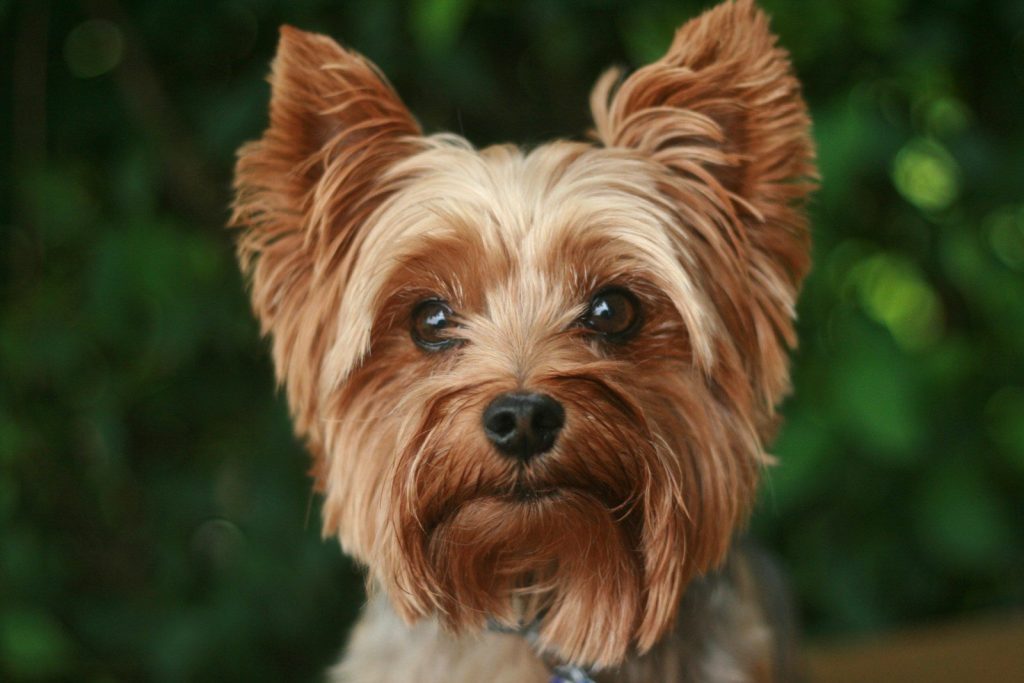
Read our full Yorkshire Terrier profile →
Pros: Big personality in a small frame. Yorkies are confident, curious, and genuinely funny to live with. They stay alert to everything and make surprisingly good watchdogs for their size — they’ll announce a knock at the door before you hear it. The silky single coat sheds very little, which matters for allergy-sensitive households (though no dog is truly hypoallergenic). They travel well and adapt to apartment life if you meet their exercise and mental needs. Most Yorkies bond tightly and are up for anything you’re doing.
Cons: That terrier drive cuts both ways. Yorkies bark — a lot — and left unchecked it becomes a habit that’s hard to break. They can be stubborn about housetraining; small dogs and small bladders make this genuinely harder than people expect, and progress can take months. Many are wary of strangers and can be scrappy with larger dogs, sometimes with no sense of their own size. The coat, kept long, needs daily brushing to avoid painful mats. They’re also fragile — a jump off the couch can injure a dog this small.
Best for: Someone who wants a dog with real attitude and doesn’t mind a vocal, opinionated companion. Great for owners who enjoy training as an ongoing project and want a little dog that acts like a big one. A good match for a mostly-adult household or one where kids are old enough to handle a fragile dog gently.
Maltese
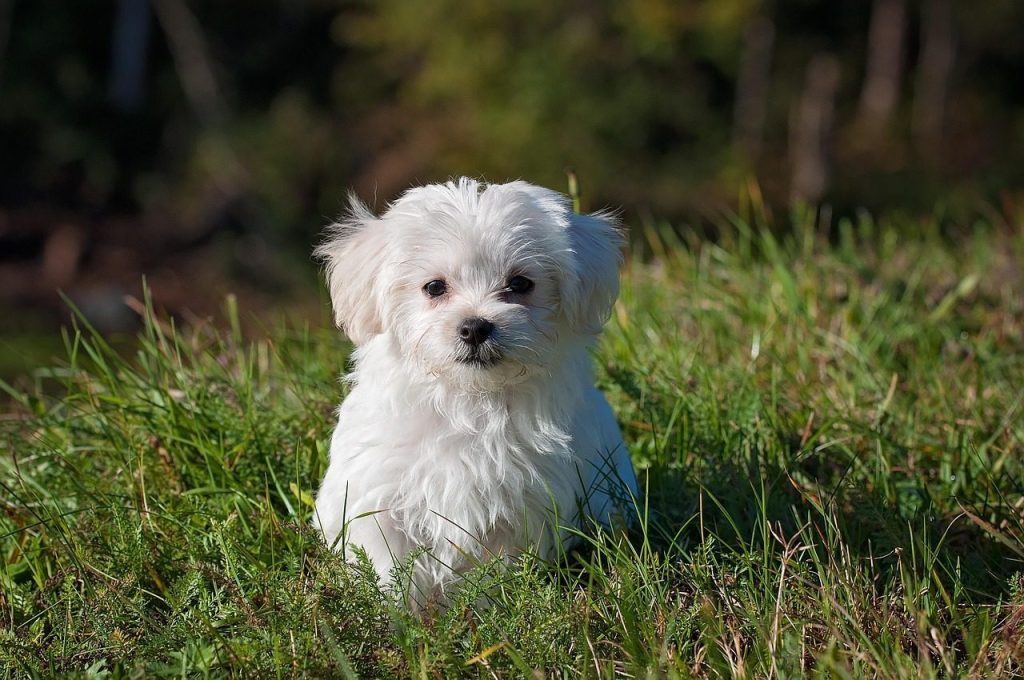
Read our full Maltese profile →
Pros: The Maltese is one of the gentlest small breeds you’ll meet. Most are affectionate, people-oriented, and eager to please, which tends to make training a bit smoother than with a terrier. They’re playful without the sharp edge — friendly with strangers and often good with calm children and other pets. The pure white single coat sheds minimally. They thrive in apartments and small spaces and are content with modest exercise. If you want a devoted lap companion, this is a breed built for exactly that.
Cons: That devotion has a downside: Maltese are prone to separation anxiety and can struggle when left alone for long workdays. Some become clingy or develop nuisance barking when stressed. The white coat shows tear stains readily and needs consistent grooming to stay clean and mat-free. Like the Yorkie, they can be difficult to housetrain and are delicate — injuries from falls and rough handling are a real risk. Their sweetness can tip into timidity if they aren’t socialized early.
Best for: Someone home often who wants a soft, affectionate companion rather than a spirited little watchdog. A strong fit for retirees, people who work from home, or anyone who wants a calmer, more biddable small dog and doesn’t mind daily grooming upkeep.
Side-by-side comparison
| Attribute | Yorkshire Terrier | Maltese |
|---|---|---|
| Size | Typically 4–7 lbs, around 7–8 in tall | Under 7 lbs, around 7–9 in tall |
| Energy level | Moderate but busy; needs 30–45 min of activity plus mental work daily | Low to moderate; two short walks and indoor play usually suffice |
| Temperament | Bold, feisty, alert, opinionated — terrier through and through | Gentle, affectionate, playful, people-focused |
| Barking tendency | High; strong watchdog instinct, needs training to manage | Moderate; usually barks less unless anxious or under-stimulated |
| Trainability | Smart but stubborn; needs patient, consistent handling | Generally eager to please; often a bit easier to motivate |
| Grooming | Daily brushing for a long coat; regular trims; low shedding | Daily brushing; tear-stain cleaning; frequent grooming to stay white |
| Good with strangers | Often wary or reserved without strong socialization | Typically friendly and outgoing |
| Tolerance for alone time | Better, but still not a fan of long absences | Lower; prone to separation anxiety |
| Health watch-points | Higher incidence of luxating patella, dental disease, and tracheal collapse | Higher incidence of luxating patella, dental disease, and tear-duct issues |
| Lifespan | Roughly 11–15 years | Roughly 12–15 years |
Our verdict
Pick the Yorkshire Terrier if you want personality with an edge. Yorkies are entertaining, brave, and endlessly curious, and they’ll keep you laughing — but they come with a terrier’s stubborn streak and a real tendency to bark. If you enjoy training, want a small dog that acts like a big one, and won’t be frustrated by a vocal watchdog, the Yorkie rewards the effort with a fierce little companion who’s completely devoted to you.
Pick the Maltese if what you really want is closeness and calm. Most Maltese are softer, more biddable, and more openly affectionate with everyone — not just their person. That makes them a gentler first-dog experience and a better fit for social households.
The catch is their need for company: a Maltese left alone all day is a recipe for anxiety and noise. If someone is home most of the time and wants a lap-focused companion, this is the breed. Both are tiny, fragile, low-shedding, and demanding to groom, so neither is truly ‘low maintenance.’ Both are also harder to housetrain than most people expect.
The deciding factor usually isn’t the coat — it’s temperament and your daily schedule. Want spirit and a watchdog? Yorkie.
Want gentleness and a shadow? Maltese.