
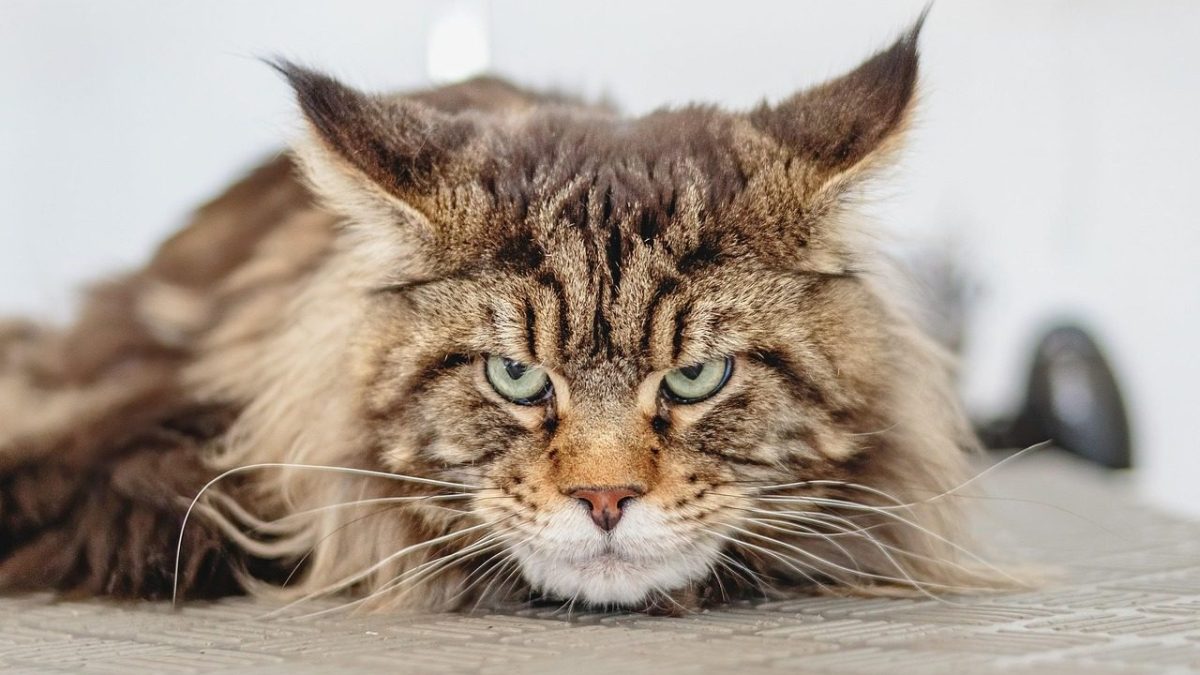
These two get confused constantly, and it’s easy to see why. Both are big. Both have thick coats built for cold winters.
Both look like they wandered out of a folklore illustration. If you’ve narrowed your search to these two, you already know you want a large, cold-weather cat with a lot of fur to love. The differences are real, though, and they matter day to day.
Maine Coons tend to be more openly social and vocal — the cat that follows you room to room and chirps about it. Norwegian Forest Cats are usually a bit more independent and reserved, affectionate on their own schedule. This comparison walks through size, coat care, temperament, and health so you can match the cat to your actual home, not the fantasy version.
Maine Coon
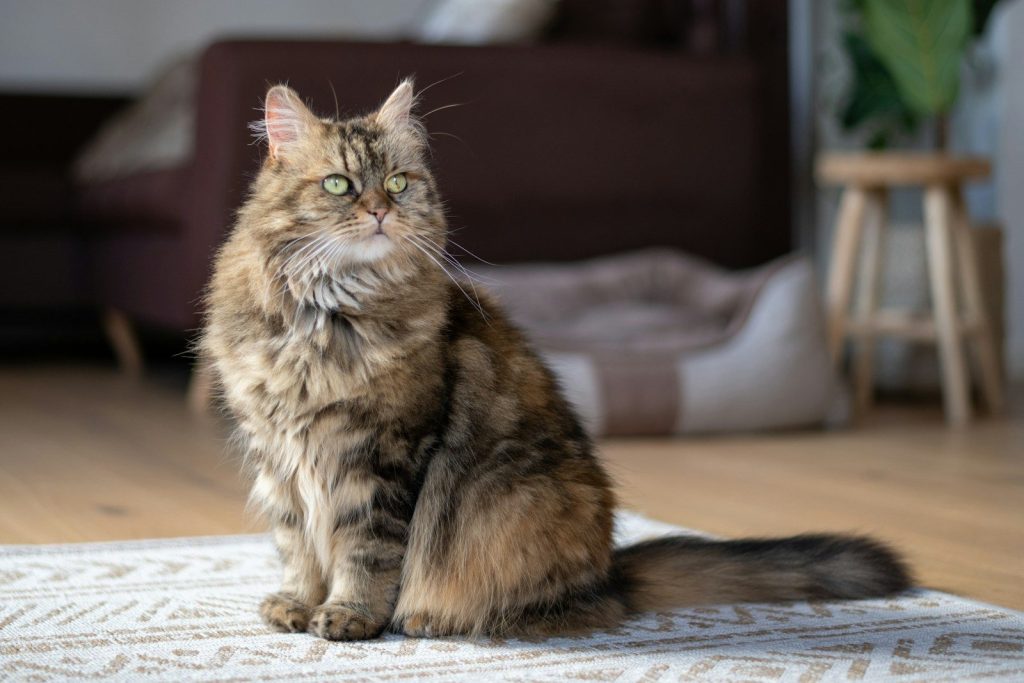
Read our full Maine Coon profile →
Pros: One of the friendliest large breeds you’ll meet. Most Maine Coons are people-oriented, dog-like in their willingness to follow you around, and famously chatty — they trill and chirp rather than yowl. They typically tolerate handling, kids, and other pets well, and many enjoy water and games of fetch. If you want a cat that acts like a participant in the household, this is it.
Cons: They are genuinely large, often 12–18 lbs for males, which means more food, bigger litter boxes, and sturdier furniture. The coat needs 2–3 brushings a week to prevent mats behind the legs and under the belly. The breed is known to have a higher incidence of hypertrophic cardiomyopathy (HCM) and hip dysplasia — talk to your veterinarian about appropriate screening. Their sociability also means they don’t love being left alone all day.
Best for: Someone who wants an interactive, talkative, affectionate companion and is home enough to enjoy one. Great for families with kids or other pets, and for people who like a cat that seeks them out.
Norwegian Forest Cat
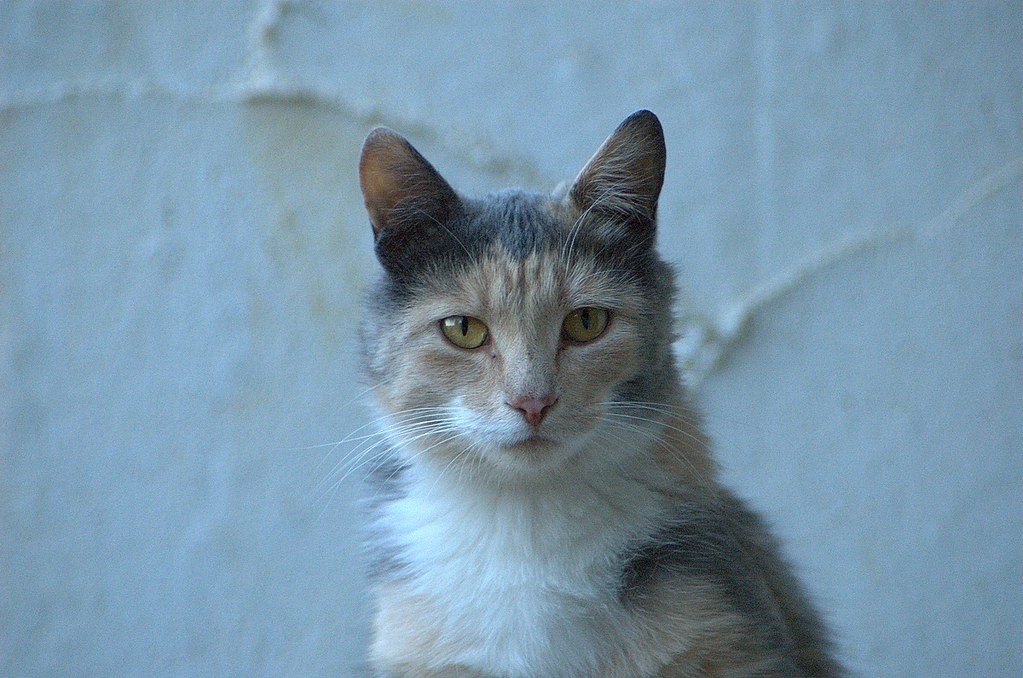
Read our full Norwegian Forest Cat profile →
Pros: Affectionate but self-possessed. Most Wegies (as owners call them) bond deeply with their families while staying calmer and less demanding than a Maine Coon. They’re strong, agile climbers who like high perches, and their double coat is somewhat more self-maintaining. They tend to be quieter, making them a good fit for people who want a big, gentle cat without a running commentary.
Cons: That water-resistant double coat sheds heavily during seasonal changes — expect a big blowout in spring. They want vertical space and can get frustrated in a small, low apartment with nothing to climb. They’re often slower to warm up to strangers, so if you pictured a cat greeting your guests, adjust expectations. The breed is known to have a higher incidence of HCM and glycogen storage disease type IV; ask your veterinarian about screening.
Best for: Someone who wants a large, beautiful, loving cat that respects personal space, appreciates climbing structures, and doesn’t need constant interaction.
Side-by-side comparison
| Attribute | Maine Coon | Norwegian Forest Cat |
|---|---|---|
| Adult size | Large; males often 13–18 lbs, females 8–12 lbs, long-bodied | Large; males often 12–16 lbs, females 8–12 lbs, muscular build |
| Energy level | Moderate to high; playful into adulthood, enjoys interactive games | Moderate; bursts of climbing activity, calmer between them |
| Sociability | Very social; follows people, seeks attention, good with strangers over time | Affectionate but reserved; loyal to family, slower with strangers |
| Vocalness | Chatty; trills, chirps, and comments frequently | Generally quiet; soft-spoken when they do talk |
| Grooming | 2–3 brushings per week; prone to mats behind legs and belly | 1–2 brushings per week; heavy seasonal shed in spring |
| Space needs | Room to move; large litter boxes and sturdy furniture | Vertical space essential; cat trees and high perches |
| Time alone | Prefers company; can get lonely if alone all day | More independent; tolerates alone time better |
| Health watch-points | Higher incidence of HCM, hip dysplasia, spinal muscular atrophy | Higher incidence of HCM, glycogen storage disease type IV |
| Good with kids/pets | Typically excellent; patient and outgoing | Usually good; gentle but appreciates being left alone when it wants |
Our verdict
Pick the Maine Coon if you want a companion who acts like a fourth member of the family. This is the cat for people who are home a fair amount, who like conversation, and who want a pet that greets them, follows them, and gets involved in whatever they’re doing. Households with children or other animals often do especially well with a Maine Coon’s easygoing sociability.
Just be honest about the grooming commitment and the fact that this cat does not thrive being alone all day. Pick the Norwegian Forest Cat if you love the big-fluffy-cat look but want a companion with a quieter, more independent streak. Wegies give you real affection without needing constant engagement, which suits busier schedules or calmer homes.
They ask for two things in return: vertical space to climb and patience during that heavy spring shed. If you’re out of the house often and want a cat that’s content on its own terms, this is the more natural match. Both breeds are large, long-lived when well cared for, and share overlapping health considerations, so neither is a lower-maintenance choice medically — schedule regular checkups and ask your veterinarian about breed-appropriate screening.
The deciding factor is temperament: how much interaction you want, and how much your home can offer in return.