
Overview
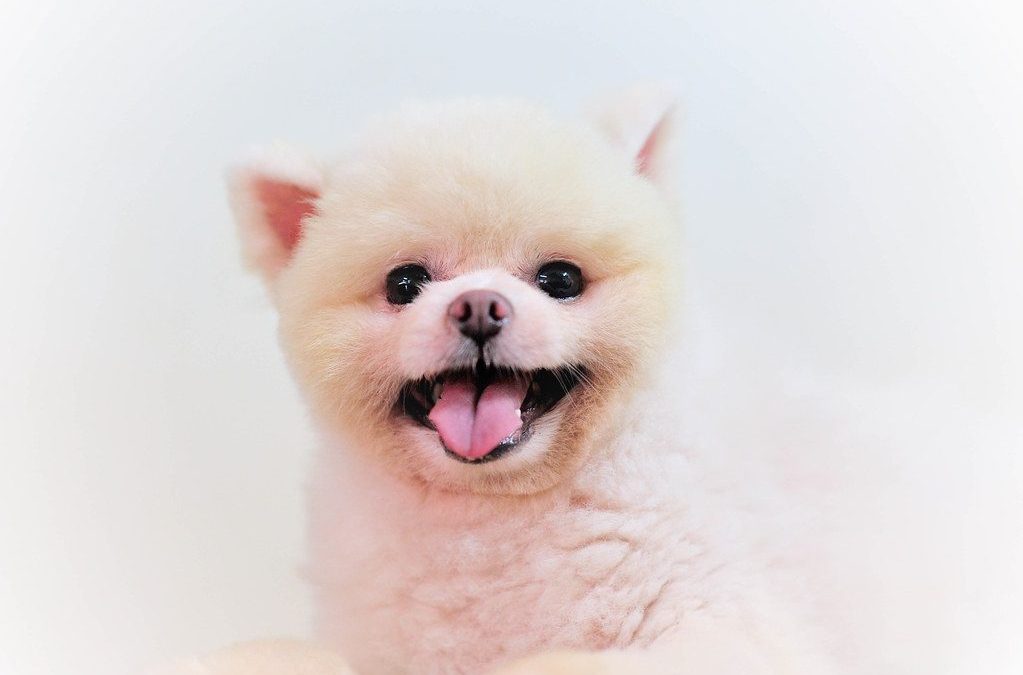
The Pomeranian is a toy dog with the attitude of something four times its size. Most adults weigh between 3 and 7 pounds and stand about 6 to 7 inches at the shoulder, wrapped in a profuse double coat that stands away from the body and gives the breed its distinctive round, fox-faced silhouette.
What makes the Pomeranian unusual among toy breeds is where it came from. This is not a lap dog that was always a lap dog. It is a Nordic spitz, bred down from considerably larger ancestors that pulled sleds and worked livestock, and the working temperament came along with the reduced size. A Pomeranian is alert, opinionated, quick to sound off, and far more confident than its body weight justifies.
Here is the honest headline. Poms are wonderful company for people who want a small dog with genuine personality rather than a passive accessory. They are curious, funny, trainable, and they bond hard. What catches owners out is the maintenance: the double coat sheds seasonally and needs real brushing, the breed is genuinely vocal, and the tiny trachea makes a collar a poor idea and a harness close to mandatory. None of that is a dealbreaker if you know it going in. All of it is a problem if you bought the dog for the photographs.
Breed Origin & History
The breed takes its name from Pomerania, a historical province on the Baltic coast now divided between Germany and Poland. The dogs of that region were spitz-type working animals — substantially larger than today’s Pomeranian, used for herding and for pulling sleds. The modern toy dog is the product of deliberate downsizing from that stock.
The breed’s popularity in the English-speaking world owes an enormous amount to Queen Victoria, who owned the first Pomeranians to be exhibited. Royal enthusiasm did what royal enthusiasm usually does: it drove demand, and it drove breeders toward the smaller specimens the Queen favored. Over a few decades the breed’s typical size dropped sharply, arriving at the 3-to-7-pound standard recognized today.
That compressed selection history matters for more than trivia. Rapid reduction in size within a relatively small gene pool is part of why the breed carries the structural vulnerabilities it does — particularly in the knees, the windpipe and the teeth, all of which are discussed below.
The American Pomeranian Club serves as the AKC parent club and maintains the breed standard in the United States. The AKC places the Pomeranian in the Toy group, and the standard describes a compact, short-backed, active dog with a soft dense undercoat and a long, harsh-textured outer coat standing off from the body. The breed is bred in an unusually wide range of colors and patterns.
Temperament & Personality
Pomeranians are extroverted, curious and confident. They engage with the world rather than observing it from a cushion, and most are genuinely interested in whatever their people are doing. They are intelligent and take well to training, including tricks and small-dog sports — this is not a breed that needs to be carried everywhere, and treating it as though it does tends to produce a worse dog.
They are also alert to a fault. The spitz watchdog instinct survived the downsizing intact, and a Pomeranian will announce visitors, passing dogs, delivery drivers and unexplained noises with enthusiasm. Barking is the single most common complaint from owners and the most common reason Poms struggle in apartments with thin walls. It is trainable, but it needs addressing early and consistently rather than after the habit sets.
Most Poms bond intensely with one or two people and can be reserved with strangers. Socialization matters here: a poorly socialized Pomeranian becomes suspicious and snappy rather than merely aloof.
The other honest note is fragility. A 4-pound dog with a bold personality will confront a Labrador, jump off furniture it should not jump off, and get underfoot. Owners have to manage the dog’s environment, because the dog’s own judgment about its size is unreliable. That combination — brave and breakable — is the central practical challenge of living with the breed.
Is This Breed Right for You?
The Pomeranian suits people who want a small dog with real character and are willing to train and groom it. Specifically: apartment dwellers, provided barking is addressed early. Retirees and people who work from home, since Poms want company and thrive on interaction. Owners who enjoy training — this breed is bright and takes genuine pleasure in learning. Households with older, careful children who understand that a 5-pound dog can be injured by ordinary rough play. And anyone who wants a dog small enough to travel with but lively enough to be interesting.
It also suits people prepared to use a harness rather than a collar for the life of the dog.
Here is who should think twice. Families with toddlers — the size mismatch is a genuine injury risk in both directions, and most breeders will not place a Pom in a home with very young children. Anyone in a noise-sensitive living situation who is not prepared to train the barking down. People who want a wash-and-wear coat, since the double coat sheds and needs weekly attention with heavier seasonal blowouts. Owners who are out for long days, as Poms are prone to separation-related stress. Anyone wanting a rugged dog for hiking, rough play or off-leash freedom in unfenced areas.
And anyone attracted by the fluffy “teddy bear” marketing should be cautious about where they buy. Extreme coat and exaggerated shortening of the face are not what the standard describes, and breeders selling on those terms are often selling on looks rather than health.
If you want a confident, funny, portable companion and the grooming and barking are things you will actually manage rather than hope away, the Pomeranian is one of the most rewarding toy breeds there is.
Care & Exercise Needs
Exercise needs are modest but real. Two short walks a day plus indoor play suits most adults. Poms enjoy activity and do well at small-dog agility and trick training, which also burns the mental energy that otherwise turns into barking. Watch heat — the double coat is insulating, and small dogs overheat quickly.
Use a harness, not a collar. The breed is known to have a higher incidence of tracheal collapse, and pressure on the throat from a collar on a dog that pulls is a meaningful risk. This is one of the few pieces of equipment advice that is close to non-negotiable for a breed.
Grooming is a steady commitment rather than a daily crisis. Brush thoroughly at least twice a week, working right down to the skin — the dense undercoat mats close to the body where a surface brushing never reaches. During seasonal shedding, expect daily work and a great deal of hair. Never shave a Pomeranian down: the double coat regulates temperature in both directions, and shaving can permanently damage regrowth. A qualified groomer trimming to tidy the outline is fine; a clipper-down is not.
Dental care is a priority, not an optional extra. Toy breeds carry crowded teeth in small jaws and periodontal disease is extremely common. Daily or near-daily brushing genuinely changes outcomes here.
Training should start immediately and should treat the dog as a dog. Reward-based methods work well. Teach a “quiet” cue early, socialize broadly and carefully, and resist the temptation to carry the dog away from every situation it finds uncertain — that is how a confident puppy becomes a reactive adult.
Health Considerations
Several conditions appear at elevated rates in the Pomeranian, and most relate to the breed’s small size and compressed structure.
Patellar luxation — kneecaps that slip out of position — is common in toy breeds and well documented in Poms. Signs include an intermittent skipping gait or a briefly held-up hind leg. Severity varies widely and surgical correction is sometimes needed.
Tracheal collapse is the condition most worth planning around. The windpipe’s cartilage rings can weaken and flatten, producing a distinctive honking cough and, in worse cases, breathing difficulty. Harness use, weight control and avoiding airway irritants all reduce risk.
The breed is also associated with Alopecia X, a coat-loss condition sometimes called black skin disease, which causes progressive hair loss without an obvious systemic cause. It is cosmetic rather than life-threatening but distressing for owners and not reliably curable.
Other reported concerns include dental crowding and periodontal disease, hypoglycemia in very young puppies, patent ductus arteriosus and other cardiac issues, hypothyroidism, and eye conditions including cataracts and dry eye. Because of the small size, routine anesthesia and dental procedures carry somewhat more risk than in larger dogs and should be handled by a practice comfortable with toy breeds.
Responsible breeders screen breeding stock, typically including patella, cardiac and ophthalmologic evaluations. Ask directly for documentation. A healthy Pomeranian commonly lives 12 to 16 years. For any specific concern about your dog’s knees, breathing, coat or teeth, consult your veterinarian rather than relying on general breed information.
Recommended Gear Categories
A few categories matter more than usual here. A well-fitted harness is the single most important purchase, given the tracheal collapse risk — look for a design that spreads pressure across the chest and never walk a Pom from a neck collar. Keep the collar for identification tags only.
Grooming tools need to reach the undercoat. A quality pin brush plus a metal greyhound-style comb is the working pair; the comb is what tells you whether you have actually reached skin level or just smoothed the top. A slicker brush and an undercoat rake earn their place during seasonal shedding. A detangling spray reduces breakage.
Because Poms are small and jump from furniture they should not jump from, pet stairs or a ramp at the sofa or bed genuinely reduce joint and back injuries. Non-slip rugs on hard floors help for the same reason.
Dental supplies matter: a small dog toothbrush or finger brush and veterinary toothpaste, used consistently, are the cheapest preventive care available for this breed. For enrichment, puzzle feeders and trick-training props suit a dog that is bright and easily bored — and a bored Pomeranian is a barking Pomeranian.
In cold weather a small dog close to the ground benefits from a coat despite the fur; in heat, shade, water and a cooling mat matter more. Your editor will add specific product recommendations with current pricing and details.
Similar Breeds to Consider
The closest comparison within the spitz family is the Keeshond — essentially the same type at four or five times the weight. If you love the look and temperament but want a sturdier dog you can hike with and are not restricted on size, the Keeshond delivers that with far less fragility, at the cost of considerably more coat to maintain.
The Papillon is the strongest alternative for owners drawn to the Pomeranian’s brightness and trainability. It is similarly small and similarly clever, often easier to train, and carries a single coat that needs much less work than the Pom’s double coat. It is also typically less vocal, which matters in an apartment.
The Shih Tzu suits people who want a small companion with a calmer, less reactive temperament. It is a lap dog by history rather than a working spitz scaled down, so it barks less and demands less mental stimulation — but the grooming load is at least as heavy and the flat face brings breathing and heat problems the Pomeranian does not have.
For a similar size with a genuinely low-maintenance coat, the Miniature Pinscher or the smooth Chihuahua are the practical answers, though both trade away the plush appearance that draws most people to a Pom in the first place. In short: choose the Pomeranian for personality in a tiny package, the Papillon if trainability matters more than coat, the Keeshond if you can size up, and the Shih Tzu if you want quiet over spark.