
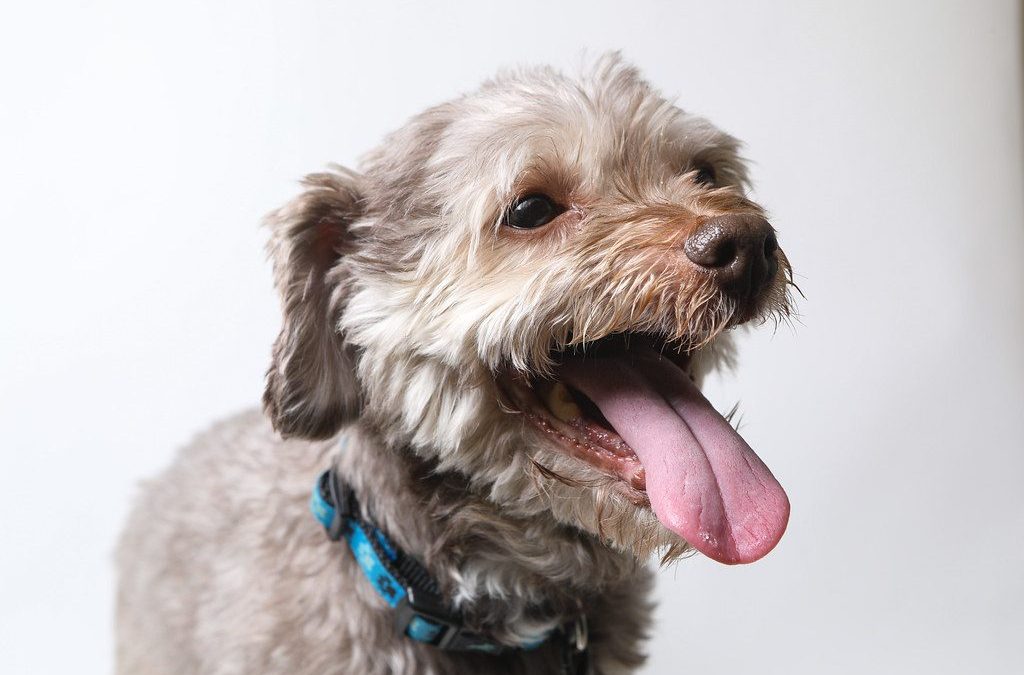
Overview
The Havanese is the national dog of Cuba and one of the few genuinely well-rounded small companion breeds. Adults typically weigh 7 to 13 pounds and stand about 8.5 to 11.5 inches, carrying a long, soft, double coat that ranges from wavy to curly.
What distinguishes the Havanese from the rest of the toy and small-companion group is balance. It is affectionate without being needy to the point of dysfunction, lively without being frantic, small without being fragile, and — unusually for the category — properly trainable. Havanese do well in obedience, agility, trick work and therapy roles, which is not something you can say about most dogs of this size.
The structure helps too. This is a sturdy little dog with a normal muzzle, not a flat-faced one, which means none of the breathing and heat-tolerance problems that limit Pugs, Shih Tzu and French Bulldogs. You can take a Havanese for a proper walk on a warm day.
Here is the honest headline. If you want a small dog that suits apartments, gets on with children and other pets, and can actually be trained, this is close to the top of the list. The two real costs are the coat, which in full length needs daily attention and regular professional grooming, and the breed’s attachment to people — Havanese were bred as constant companions and they do genuinely badly when left alone all day.
Breed Origin & History
The Havanese descends from bichon-type dogs brought to Cuba by Spanish settlers, and developed on the island in relative isolation over several centuries. It became the companion dog of the Cuban aristocracy, kept in wealthy households in Havana, which is where the breed takes its name.
Isolation shaped it. Cut off from European breeding populations, the Cuban dogs developed into a distinct type — slightly sturdier than some of its bichon relatives, with the characteristic silky double coat suited to a hot climate. The coat is worth understanding in that context: it is light and insulating rather than heavy, designed to shield from tropical sun rather than to hold warmth.
The breed nearly disappeared. Following the Cuban revolution, a small number of families who emigrated to the United States brought their dogs with them, and the modern Havanese population outside Cuba traces largely to that very small founding group. Dedicated breeders rebuilt from those dogs through the 1970s and 1980s.
The Havanese Club of America, established in 1979, serves as the AKC parent club for the breed. The American Kennel Club granted full recognition in 1996, placing the Havanese in the Toy group. The breed has climbed steadily in popularity since, which brings the usual caution: rising demand attracts volume breeders, and buyers should be correspondingly careful about where a puppy comes from.
Temperament & Personality
Havanese are affectionate, sociable and adaptable. They tend to like everyone — family, visitors, children, other dogs, cats — and they are notably less reserved with strangers than most small breeds. This is a dog that wants to be involved in whatever is happening.
They are also properly intelligent and genuinely enjoy training. Where many toy breeds tolerate training, Havanese take pleasure in it, which is why they turn up in agility and obedience and as therapy dogs. They respond to reward-based methods and are sensitive to harsh correction. A bright dog that enjoys work is also a dog that invents its own entertainment when bored, so mental stimulation matters.
Energy is moderate. They are playful and lively in bursts, then happy to settle. They are not demanding athletes, but they are not sedentary either.
The significant trade-off is attachment. The breed was developed for centuries as a close companion, and separation-related distress is common in homes where the dog is alone for long stretches. Some Havanese are also slow to housetrain, a trait shared with much of the toy group. And while they are not typically nuisance barkers, many will alert at the door.
Individual variation exists, but the breed is unusually consistent in temperament — most Havanese you meet are cheerful, people-focused and easy.
Is This Breed Right for You?
The Havanese suits people who want a small, affectionate, trainable dog and can be around for it. Specifically: apartment and condo dwellers, since exercise needs are modest and the dog is small and not especially vocal. Families with children, including younger ones — at 7 to 13 pounds with a sturdy build it is less fragile than a Pomeranian or Chihuahua, though supervision is still sensible. First-time owners, because the temperament is forgiving and the dog wants to cooperate. Retirees and people who work from home. Multi-pet households, since Havanese generally get on with other dogs and cats.
It also suits people in warm climates better than most long-coated small dogs, because the coat evolved for exactly that and the muzzle is a normal length.
Here is who should think twice. Anyone out of the house ten hours a day with no arrangement for the dog — this is the breed’s clearest limitation and the most common source of behavior problems. Anyone unwilling to brush daily or pay for grooming every six to eight weeks; a full Havanese coat mats readily, and many owners sensibly keep it in a shorter puppy clip. People who want a guard dog or a watchdog with real deterrent value. Anyone needing fast, easy housetraining. And anyone shopping on price, because the breed’s popularity has attracted volume breeders and the health of a cheap puppy from an unverified source is a genuine gamble.
If you want the best-rounded small companion dog for a household where someone is usually home, the Havanese is very hard to beat.
Care & Exercise Needs
Exercise needs are moderate and easily met: two decent walks a day plus play, totaling perhaps 45 minutes to an hour. They enjoy more if offered, and they do well at agility and trick training, which suits their brains as much as their bodies. Unlike flat-faced companion breeds, a Havanese can handle a warm-weather walk sensibly managed.
Grooming is the main commitment. A full-length coat needs daily brushing and combing to the skin — the soft texture mats readily, particularly behind the ears, under the legs and around the collar area. Professional grooming every six to eight weeks is typical. Many owners keep the coat in a shorter clip, which reduces daily brushing to a few minutes and is a perfectly legitimate choice rather than a compromise. Hair grows over the eyes and needs trimming or tying back.
Beyond the coat: ears need regular checking and cleaning, since drop ears with hair trap moisture. Nails need routine trimming. Dental care matters, as it does for all small breeds — daily brushing is the standard to aim for.
Training should start early and lean on rewards. Havanese are sensitive and shut down under harsh handling. Build tolerance for being alone deliberately from puppyhood, in short increments, before you need it — this is the single most useful preventive thing an owner of this breed can do. Be patient with housetraining, keep a consistent schedule, and use confinement and frequent opportunities rather than correction.
Health Considerations
The Havanese is generally a healthy breed with a long lifespan, commonly 14 to 16 years, but several inherited conditions are documented and worth asking breeders about.
Eye conditions are the most significant group. The breed is known to have a higher incidence of cataracts, and progressive retinal atrophy has been identified in some lines. Annual ophthalmologic evaluation of breeding stock is standard practice among responsible breeders, and a DNA test exists for some forms of PRA.
Orthopedic issues include patellar luxation, common across small breeds, and Legg-Calvé-Perthes disease, a degeneration of the hip joint head seen in small dogs. Hip dysplasia is also reported despite the breed’s size, and hip evaluation is part of standard screening.
Chondrodysplasia — a skeletal condition affecting limb development — has been identified in the breed, as has deafness in some lines, which is why breeders may test hearing. Heart murmurs and mitral valve disease occur, and hypothyroidism and liver shunt are both reported.
Because the modern population outside Cuba descends from a very small founding group, genetic diversity is a live concern and reputable breeders pay close attention to it. Ask for documented screening — eyes, patellas, hips and hearing are the usual set — rather than a general assurance that the parents are healthy.
For any specific concern about your dog’s eyes, joints, heart or weight, consult your veterinarian rather than relying on general breed information.
Recommended Gear Categories
Grooming equipment is the main category to get right. A pin brush and a metal greyhound comb are the essential pair for a full coat, and the comb is the honest test of whether you have reached the skin. A detangling spray reduces breakage, and small ties or clips keep hair out of the eyes if you are maintaining length. If you keep the coat clipped short, a soft slicker brush is usually enough.
A well-fitted harness is the sensible walking choice for a small dog, spreading pressure away from the throat. Look for something light with a Y-front that leaves the shoulders free.
Because separation distress is the breed’s main behavioral risk, enrichment gear is not optional decoration here. Puzzle feeders, treat-dispensing toys and long-lasting chews give a bright dog something to do, and a comfortable crate introduced positively gives it a secure place to settle. Many owners find a camera useful for learning what the dog actually does when alone.
Dental supplies — a small toothbrush and veterinary toothpaste — matter for the same reasons they do in every small breed. Ear-cleaning solution belongs in the kit given the drop ears and hair. For training, a treat pouch and small soft rewards suit a dog that genuinely enjoys learning. Your editor will add specific product recommendations with current pricing and details.
Similar Breeds to Consider
The closest relative is the Bichon Frise, which shares the ancestry, the size bracket and much of the cheerful temperament. The Bichon’s curlier coat is often described as lower shedding but is at least as demanding to maintain, and the Havanese tends to be slightly sturdier and a little more biddable. Either is a reasonable choice; the decision usually comes down to coat texture preference and what a breeder near you can offer.
The Maltese is the alternative for someone who wants a similar look in a smaller, more delicate package. It is lighter, more fragile, and generally less suited to families with young children, with a single silky coat that mats just as readily.
The Shih Tzu is worth comparing directly because the two are frequently cross-shopped. Both are affectionate long-coated companions of similar size. The Havanese has a normal muzzle and therefore none of the heat and breathing limitations that come with the Shih Tzu’s flat face, and it is markedly more trainable. The Shih Tzu is somewhat calmer and less prone to separation distress. If you want to be active with the dog, the Havanese is the better pick.
The Coton de Tuléar is the least well-known of the group and very close to the Havanese in temperament and build. In short: choose the Havanese for the best all-round balance of trainability, sturdiness and affection, the Bichon or Coton if you prefer their coat, the Maltese if you want smaller and more delicate, and the Shih Tzu only if the flat face is something you actively want.