
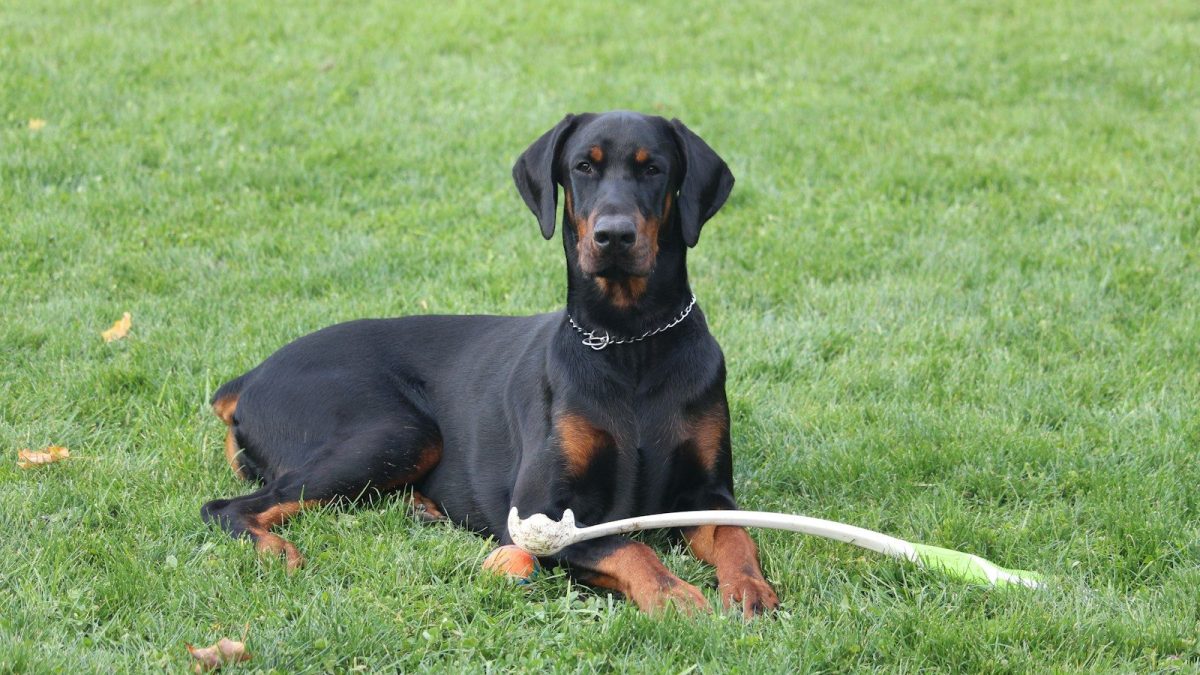
Overview
The Doberman Pinscher is a large, athletic working dog built along clean, muscular lines — the kind of dog that looks like it was drawn for speed and power at the same time. Most people recognize the sleek coat, the alert expression, and the reputation as a guard dog. What surprises first-time owners is how emotionally soft and people-focused Dobermans actually are underneath that imposing look.
This is a breed that thinks. Dobermans rank near the top of most working-intelligence lists, and that intelligence cuts both ways. Give them a job, structure, and consistent training and you get a responsive, almost intuitive companion. Leave them bored and under-exercised and that same brain invents problems — chewing, pacing, barking, and anxious behavior around the house.
Dobermans are often called “velcro dogs,” and it’s accurate. Most want to physically be near their person, following you room to room, leaning on you, sleeping against you. For someone who wants a deeply bonded partner, this is the whole appeal. For someone who pictured a dog who’s content in the backyard while the family goes about its day, it’s a poor match. This is not a dog you buy and put outside.
Breed Origin & History
The Doberman is a young breed with an unusually specific origin story. In the 1890s, a German tax collector named Karl Friedrich Louis Dobermann set out to create a medium-large dog to protect him on his rounds — dangerous work that often took him through rough areas carrying money. He also ran the local dog pound, which gave him access to a wide pool of dogs. The exact mix is debated, but breeds commonly credited include the old German Pinscher, the Rottweiler, the Black and Tan Terrier, and various herding and shepherd-type dogs.
The result was a fast, fearless, trainable protection dog. After Dobermann’s death, breeders such as Otto Goeller refined the type and worked to soften the sharper edges of the early dogs. The breed was recognized in Germany near the turn of the 20th century and imported to the United States soon after; the AKC recognized the Doberman Pinscher in 1908.
Dobermans built their reputation in service work — police, military, and guard roles. The breed is famously tied to the U.S. Marine Corps in World War II, where Dobermans served as sentries and scouts in the Pacific. Over the decades, dedicated breeders shifted the temperament toward a more stable, family-suitable dog while preserving the drive and loyalty. Note that the FCI and much of the world use the spelling “Dobermann” and often drop “Pinscher” from the name entirely; the AKC retains “Doberman Pinscher” for US registration.
Temperament & Personality
The Doberman’s core traits are loyalty, alertness, and intensity. This breed forms strong attachments and tends to be genuinely devoted to its family, sometimes bonding most tightly to one person. That devotion is the source of both the best and hardest parts of living with one.
Most Dobermans are naturally watchful. They notice when something changes — a car in the driveway, a stranger at the fence — and they will let you know. Well-bred, well-socialized Dobermans are not indiscriminately aggressive; they’re discerning, and a stable one reads situations rather than reacting blindly. But that watchfulness needs shaping. Without early, ongoing socialization, that alertness can tip into suspicion or reactivity toward strangers and other dogs.
They are sensitive dogs. Harsh handling backfires badly — a Doberman that feels unfairly corrected shuts down or grows anxious. They respond to fair, consistent leadership and reward-based training, and they crave the mental engagement of learning.
The trade-offs are real. That intense bond means most Dobermans struggle with being left alone for long stretches; separation anxiety is common in the breed. Their intelligence means they need a job, or they’ll assign themselves one you won’t like. And their size and drive mean an under-trained Doberman is a genuine handful. The dog that will lie across your feet all evening is the same dog that will body-check a visitor if you never taught it manners. You get the whole package or none of it.
Is This Breed Right for You?
A Doberman fits a very particular kind of owner. If you’re home a lot or can bring your dog along most places, if you enjoy training as an ongoing hobby rather than a chore, and if you want a dog woven into your daily life — this may be one of the best companions you’ll ever have. People who do dog sports (obedience, agility, protection sports like IPO, scent work) or who run, hike, and bike regularly tend to thrive with the breed. Experienced dog owners who understand structure and boundaries do best.
This breed suits someone who can commit to roughly 60–90 minutes of real exercise daily, plus daily mental work, for the dog’s whole life — not just during the cute puppy phase. It suits someone comfortable managing a large, powerful, confident dog in public.
It is a poor fit if you work long hours away from home and can’t arrange midday company or daycare — a Doberman left alone eight hours a day will often become anxious and destructive. It’s a poor fit for people who want a low-maintenance, independent dog, or a dog that’s happy being background furniture. First-time owners can succeed, but only if they’re honest about the time and are willing to work with a trainer early; this is not a forgiving breed for someone who plans to wing it.
Households with very young kids should think carefully — not because Dobermans dislike children (most are affectionate with their own family’s kids), but because a bouncy 70-pound adolescent can knock a toddler flat without meaning harm. And anyone in a place with breed-specific rental restrictions or insurance limits should confirm they can actually keep the dog before committing.
Care & Exercise Needs
Exercise comes first. Plan on 60–90 minutes of physical activity daily for an adult, split into at least two sessions. Dobermans are built to move — a leashed walk around the block does not cut it. Off-leash running in a safe area, jogging, structured fetch, or dog sports all work. Puppies and adolescents need age-appropriate exercise; avoid hard, repetitive impact on growing joints and follow your vet’s guidance on how much is too much for a young dog.
Mental work is not optional. Fifteen to thirty minutes of training, puzzle feeders, or scent games each day keeps that brain occupied. A Doberman without a job finds one, and it’s usually expensive.
Training should start the day you bring the dog home and continue for life. Use reward-based methods and be consistent — this breed reads fairness and remembers unfairness. Prioritize socialization: expose your puppy to many people, places, sounds, and dogs during the early months, well beyond puppy class.
Grooming is easy. The short, single-layer coat needs a quick brush once a week and the occasional bath. Shedding is moderate and year-round — light-colored clothing will show it. Keep nails trimmed, ears clean, and teeth brushed. One real note: that thin coat and low body fat mean Dobermans get cold easily. They are indoor dogs and often need a coat in winter, and they’re sensitive to heat too. Feed a quality diet appropriate to their life stage and watch the weight — a lean Doberman is a healthier Doberman.
Health Considerations
Dobermans are a breed where health research really matters before you buy. The breed is known to have a notably higher incidence of dilated cardiomyopathy (DCM), a heart-muscle disease that is a leading cause of death in the breed; responsible breeders screen breeding dogs with regular cardiac testing including echocardiograms and Holter monitors. Dobermans are also known to have a higher incidence of von Willebrand’s disease, an inherited bleeding disorder that can be tested for genetically.
Other conditions seen more often in the breed include cervical vertebral instability (“wobbler syndrome”), hip dysplasia, hypothyroidism, and gastric dilatation-volvulus (bloat), a sudden, life-threatening emergency that deep-chested breeds are prone to. Learning to recognize the signs of bloat before you own one is genuinely worth the time.
The Doberman Pinscher Club of America and the OFA maintain recommended health-testing protocols for the breed, and reputable sources point to cardiac, thyroid, hip, eye, and von Willebrand’s screening for breeding animals. Average lifespan lands around 10–12 years, though the breed’s cardiac issues can shorten that.
None of this means every Doberman gets sick — many live full, healthy lives. But this is a breed where knowing the family health history and screening results matters more than most. For questions about testing, symptoms, prevention, or your individual dog’s health, consult your veterinarian; nothing here is a substitute for professional veterinary care.
Recommended Gear Categories
A few categories matter more for this breed than others. Because Dobermans are large, strong, and can pull, a well-fitted no-pull harness or a properly used training collar (fitted and introduced with guidance) helps you manage an adolescent that outweighs your control. A sturdy leash you trust is worth the money.
The thin coat and low cold tolerance mean a warm, well-fitting dog coat or sweater is genuinely useful in winter climates — this is a functional need, not a fashion choice. For crate training and the breed’s tendency toward separation anxiety, a large, secure crate sized for an adult (with room to stand and turn) supports house-training and gives an anxious dog a safe den.
Because Dobermans need heavy mental stimulation, invest in durable puzzle feeders and tough chew toys built for strong jaws — flimsy toys get destroyed fast and can become a swallowing hazard. Given the bloat risk, some owners look into slow-feeder bowls to reduce gulping; ask your vet whether that’s appropriate for your dog. Finally, an orthopedic or supportive bed suits a large, lean dog that spends time on hard floors.
Similar Breeds to Consider
If the Doberman’s intensity appeals but you want to compare, a few breeds sit nearby. The German Shepherd Dog offers similar intelligence, trainability, and guarding instinct, with a thicker double coat and more shedding — a better pick if you want cold tolerance and don’t mind grooming, though GSDs come with their own health screening homework around hips and elbows.
The Rottweiler shares the confident, family-devoted guardian temperament in a heavier, more powerful frame. Rotties tend to be a touch more laid-back and less frantic when under-exercised than Dobermans, which suits owners who want a serious guardian without the velcro-dog anxiety, though they’re still a lot of dog that needs firm, kind training.
For someone drawn to the sleek looks and athleticism but wanting less guarding intensity, the Vizsla or the Weimaraner are worth a look — both are affectionate, high-energy velcro dogs that bond hard and hate being left alone, but they’re built as hunting companions rather than protection dogs, so they’re friendlier with strangers. And if the exercise and separation-anxiety demands sound like too much, honestly, none of these breeds is the answer; a calmer, more independent breed will serve you better than trying to shortcut what a high-drive working dog needs.