
Overview
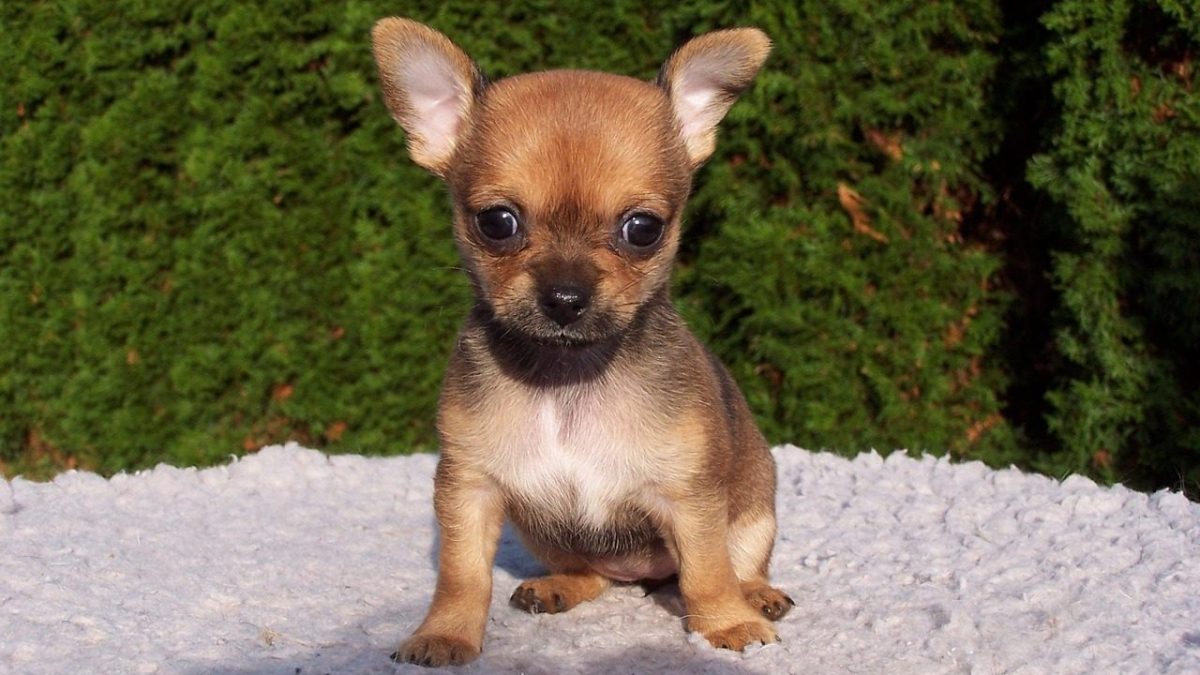
The Chihuahua is the smallest recognized dog breed — the AKC standard caps weight at six pounds, with most adults standing five to eight inches at the shoulder. It comes in two coat varieties, smooth and long, which are the same breed judged separately rather than different breeds.
The defining quality is not the size but the attitude. Chihuahuas are alert, confident, opinionated and intensely loyal, usually bonding hardest to one person. They are watchful, quick to announce visitors, and entirely unaware that they weigh less than a house cat.
They are also one of the longest-lived breeds, commonly reaching fourteen to sixteen years and often beyond. That matters practically: a Chihuahua is a fifteen-year commitment, longer than most large breeds.
Here is the honest headline. The Chihuahua’s reputation for being snappy, shrill and difficult is real but largely manufactured. It comes from being carried instead of walked, picked up instead of trained, and shielded from the world instead of socialized. A Chihuahua raised as a dog — taught manners, exposed to people and places, expected to walk on its own feet — is typically a confident, funny, affectionate companion. One raised as a handbag accessory frequently becomes fearful and defensive, and the behavior that follows gets blamed on the breed.
Breed Origin & History
The Chihuahua’s ancestry traces to Mexico and, by most accounts, to the Techichi — a small companion dog kept by the Toltec civilization from around the ninth century, later associated with the Aztecs. Dogs of this type appear in Mesoamerican art and archaeology well before European contact.
The modern breed takes its name from the Mexican state of Chihuahua, where American visitors encountered and purchased small dogs in the mid-nineteenth century. Those dogs formed the basis of the breed as it developed in the United States.
The Chihuahua Club of America, founded in 1923 and recognized by the AKC the following year, is the parent club and the only Chihuahua club the AKC recognizes. It has been notably active in breed health, sponsoring medical research, running breeder surveys and publishing material on breed-specific topics including the molera.
One piece of modern history is worth naming because it still shapes the breed’s welfare. A national advertising campaign in the mid-1990s made the Chihuahua briefly fashionable, and popularity of that kind reliably produces careless breeding and impulse buying. Rescue organizations absorbed the consequences for years afterward, and Chihuahuas remain heavily over-represented in shelters. The lesson for a buyer is the same one that applies to any breed that has had a moment: where the dog comes from matters more than what it costs.
Temperament & Personality
Chihuahuas are bold, alert and devoted. Most attach intensely to one person and are visibly happiest in that person’s company. Within the household they are affectionate, playful and often comic.
They are natural watchdogs in the sense that they notice everything and say so. Barking at visitors, noises and passing dogs is characteristic, and it responds to training but needs addressing early rather than after the habit sets.
With strangers they are typically reserved. This is where socialization does its work: a well-socialized Chihuahua is cautious but composed, while an under-socialized one becomes fearful, and a fearful eight-pound dog that cannot escape often resorts to snapping.
They are intelligent and genuinely trainable. The obstacle is rarely the dog’s capacity — it is that small dogs get trained less, because owners can simply pick them up instead of teaching them. A Chihuahua taught to sit, walk on a loose leash, accept handling and tolerate strangers is a pleasure. Housetraining tends to be slower than average and benefits from patience and a strict schedule.
With children they can be excellent in the right home, but the fragility cuts both ways: a dog this small is easily injured by ordinary rough play, and a startled small dog may snap in self-defense. Most breeders prefer homes with older children.
They are also genuinely cold-sensitive and will shiver in weather other dogs ignore.
Is This Breed Right for You?
The Chihuahua suits people who want a small, portable, devoted companion and will treat it as a real dog. Specifically: apartment and condo dwellers. Retirees and people working from home, since the breed wants company. Owners with older or no children. Anyone wanting a genuinely long-lived companion. People who travel and want a dog that fits in a cabin carrier. First-time owners, provided they commit to training and socialization rather than carrying.
It also suits owners in warmer climates, or those willing to put a coat on a dog in winter without feeling silly about it.
Here is who should think twice. Families with toddlers — the injury risk runs in both directions and most breeders will decline such homes. Anyone in a noise-sensitive living situation not prepared to train the barking down. Owners who want a dog they can be casual about socializing; this breed punishes that specifically. People who want a hiking or running companion. Anyone out for long working days, since Chihuahuas bond hard and cope badly alone. Households in cold climates unwilling to manage the dog’s temperature.
And specifically: anyone shopping for a “teacup” Chihuahua. There is no such size in the breed standard. The term is a marketing label, and deliberately breeding for extreme smallness increases the risk of hypoglycemia, fragile bones, hydrocephalus and difficult births. A responsible breeder will tell you the same thing.
If you want a confident little dog with a big personality and you will actually train it, the Chihuahua is one of the most rewarding companions available.
Care & Exercise Needs
Exercise needs are modest but real. Two short walks a day plus indoor play suits most adults, and walking matters for more than fitness — a Chihuahua that is carried everywhere never learns to handle it and becomes worse for it.
Use a harness rather than a collar. The breed is prone to tracheal collapse, and pressure on the throat from a collar is a genuine risk in a dog this size.
Temperature management is a real part of care. Chihuahuas have little body mass and thin coats, and they feel cold acutely. A sweater or coat in winter is practical rather than decorative, and heated or covered beds get used constantly. In heat, be sensible about exertion and shade.
Dental care is arguably the highest-value routine task. Toy breeds carry crowded teeth in small jaws and periodontal disease is extremely common and genuinely consequential. Daily or near-daily brushing changes outcomes.
Grooming is light. Smooth coats need a weekly once-over; long coats need brushing two or three times a week. Both shed moderately.
Training should start immediately and use rewards. Socialize broadly and early — people, surfaces, noises, other dogs — and resist the instinct to scoop the dog up whenever it looks uncertain, which teaches it that the world is genuinely dangerous. Teach a quiet cue before barking becomes self-reinforcing.
Health Considerations
Several conditions are documented at elevated rates, most related to small size.
Patellar luxation — kneecaps slipping out of position — is common across toy breeds and well documented here. It shows as an intermittent skip in the gait and ranges from mild to surgical.
Tracheal collapse occurs, producing a distinctive honking cough and, in worse cases, breathing difficulty. Harness use and weight control reduce risk.
Hydrocephalus, an accumulation of fluid in the brain, is reported in the breed and is more common in dogs bred for extreme smallness.
The molera — an open soft spot on the skull where the bones have not fully closed — is worth understanding because it is frequently misrepresented. It is normal and common in Chihuahuas rather than a defect in itself, and the parent club has published on the subject. A molera does not by itself indicate hydrocephalus, though it does mean the head needs protecting from impact.
Hypoglycemia is a genuine risk in very young and very small puppies and is one reason responsible breeders do not place kittens-sized puppies too early.
Dental crowding and periodontal disease are near-universal without care. Heart conditions including mitral valve disease and patent ductus arteriosus occur, as do eye problems given the prominent eyes.
A healthy Chihuahua commonly lives 14 to 16 years. Ask breeders for patella, cardiac and eye documentation. For any concern about your dog’s breathing, gait, teeth or head, consult your veterinarian rather than relying on general breed information.
Recommended Gear Categories
A harness is the single most important purchase given the tracheal collapse risk — keep the collar for identification tags and never walk from it. Look for a lightweight Y-front design that leaves the throat clear.
Warmth gear is genuinely functional rather than cosmetic. A well-fitted winter coat, a fleece for cool indoor rooms, and a heated or covered bed all get constant use from a dog with this little mass.
Dental supplies matter more here than almost any other category: a small toothbrush or finger brush and veterinary toothpaste, used consistently from puppyhood. It is the cheapest preventive care available for the breed.
Pet stairs or a ramp at the sofa and bed reduce jumping injuries in a dog whose knees are already a weak point, and non-slip runners help on hard floors.
For travel, an airline-compliant cabin carrier is worth buying properly, since one of the breed’s genuine advantages is that it travels easily.
For training, a treat pouch and very small soft rewards suit a dog that fills up on three kibbles. Puzzle feeders and small chew toys sized for a light jaw round out the enrichment. A lightweight long line helps with recall training without dragging the dog around. Your editor will add specific product recommendations with current pricing and details.
Similar Breeds to Consider
The Miniature Pinscher is the closest comparison in attitude — similarly bold, alert and confident in a small smooth-coated package, though typically more energetic and more inclined to escape a yard.
The Papillon suits someone who wants a small dog with more trainability and less reactivity. It is a genuinely capable obedience and agility competitor, friendlier with strangers, and easier to socialize successfully, at the cost of more coat.
The Pomeranian occupies similar ground with a very different coat. It is comparably bold and comparably vocal, but the double coat is a real grooming commitment where the smooth Chihuahua’s is essentially none.
The Yorkshire Terrier is the other common cross-shop: similar size, similar confidence, with a long single coat that needs daily attention or regular clipping.
For someone who wants a small dog that is notably softer and more universally friendly, the Havanese or Maltese are the better recommendations — both are affectionate, sociable rather than reserved, and less prone to the fear-based problems that come from under-socializing a wary breed.
In short: choose the Chihuahua for maximum personality in the smallest package with minimal grooming, the Papillon if trainability matters most, the Pomeranian if you want the plush look, and a Havanese or Maltese if you want a gentler temperament with strangers.