
Overview
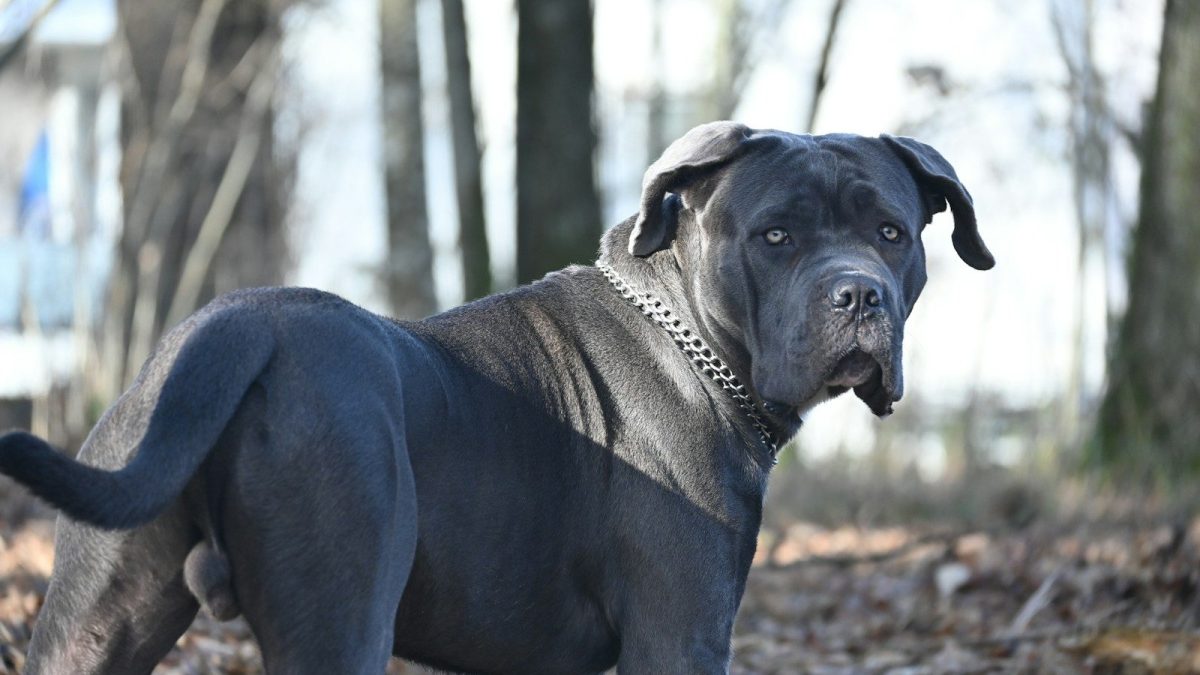
The Cane Corso is a large Italian working breed built for guarding, once used on farms to protect property and drive livestock. Adults are muscular and imposing — males often top 100 pounds — with a broad head, short coat, and a calm, watchful presence. This is not a subtle dog. When a Corso is in the room, you know it.
What draws people to the breed is the loyalty. A well-raised Corso bonds hard to its family and is genuinely gentle and affectionate at home, often leaning into you like a much smaller dog. What surprises people is how much dog comes with that loyalty: the size, the strength, the instinct to guard, and the sharp mind that needs a job. This breed thinks, and it will make its own decisions if you don’t give it direction.
The Cane Corso is confident, territorial, and naturally suspicious of strangers. Those traits make it an excellent guardian and a poor choice for someone who wants a dog that greets everyone at the door. Owning one well takes time, structure, and experience. Done right, you get one of the most devoted companions in the working group. Done poorly, you get a hundred-pound liability.
Breed Origin & History
The Cane Corso descends from Roman war dogs and the old Italian mastiff-type breeds used across the Italian countryside for centuries. The name comes from the Latin ‘cohors,’ meaning guardian or protector. On southern Italian farms, Corsos guarded property, herded and drove cattle and pigs, and hunted large game like wild boar. They were versatile working dogs, not show animals.
The breed nearly disappeared after World War II as rural Italian farming declined. In the 1970s, a group of Italian enthusiasts — most notably the Malavasi family and the Society Amatori Cane Corso — worked to recover the breed from the surviving farm dogs of southern Italy. Their efforts brought the Corso back from the edge.
The breed came to the United States in the late 1980s. The AKC recognized the Cane Corso in 2010, placing it in the Working group. The FCI recognized it earlier under the standard maintained through Italy’s kennel club. There’s some variation in the standards: the FCI describes a slightly leaner, more athletic type reflecting its farm-working roots, while US breeding has at times trended heavier. For US buyers, the AKC standard is the reference point. Its rapid rise in popularity has been a mixed blessing — demand has outpaced responsible breeding in places, which makes doing your homework essential.
Temperament & Personality
At home, a Cane Corso is often calmer and more affectionate than its reputation suggests. Most Corsos are quiet, steady, and closely bonded to their families. They tend to pick a favorite person and follow them room to room. They are not hyperactive; a mature Corso is content to lie near you and watch.
The flip side is the guarding instinct, which is not optional and not trainable-away. This breed is territorial and reserved with strangers by default. A Corso will assess new people and situations, and it takes clear leadership and heavy socialization to make sure that assessment stays balanced rather than reactive. Without that work, wariness curdles into suspicion, and a suspicious hundred-pound dog is a serious problem.
Corsos are intelligent and independent. They learn quickly but will test boundaries, especially adolescents between roughly six months and two years. They respond to a confident, consistent handler and shut down under harsh, punitive handling. They can be dog-selective, particularly with same-sex dogs, and their prey drive can make them unreliable with cats or small animals unless raised with them.
The trait that makes a Corso a superb guardian — its willingness to act on its own judgment to protect its people — is exactly the trait that makes it demanding to own. You are not just training a dog; you are shaping how a powerful animal decides who is and isn’t a threat. That responsibility never fully goes away.
Is This Breed Right for You?
The Cane Corso suits experienced dog owners who want a serious guardian and are ready to work for it. If you’ve owned large, strong-willed breeds before, you have a securely fenced property, and you can commit to structured training and socialization for the dog’s whole life — this may be the most rewarding dog you’ll own. It’s a good fit for people who are home often, who want a deeply bonded companion, and who genuinely value the protective instinct rather than just tolerating it.
This breed is a poor fit for first-time dog owners. It’s also wrong for people who want a social butterfly, who travel constantly, who have a revolving door of houseguests, or who imagine a dog that’s warm with strangers. A Corso that isn’t given leadership will supply its own, and you won’t like the results.
Apartments are difficult but not impossible for a calm adult Corso, provided you deliver serious daily exercise and mental work — but the reality of managing a wary, territorial, hundred-pound dog in a shared building with a lobby full of strangers makes it a real challenge. A house with a securely fenced yard is far better.
Homes with very young children need honest caution. Corsos can be gentle and protective with their own kids, but their sheer size means an accidental bump can knock a toddler flat, and their guarding instinct requires careful management around visiting children. This breed also demands commitment to breed-specific liability realities: insurance, local regulations, and the plain fact that people will be afraid of your dog. If any of that gives you pause, choose a different breed. There’s no shame in it — the Corso simply asks more than most people can give.
Care & Exercise Needs
Exercise matters, but it’s about quality and consistency more than exhaustion. Aim for 60–90 minutes of physical activity daily — brisk walks, structured play, and controlled off-leash running in a safe, fenced space. Because Corsos grow so fast, avoid forced running, jumping, and hard exercise on hard surfaces until growth plates close, usually around 18 months. Ask your veterinarian about age-appropriate activity for a giant-breed puppy.
Mental work is non-negotiable. A bored Corso becomes a destructive, self-employed one. Obedience training, scent games, puzzle feeders, and having a genuine ‘job’ — even a daily training routine — keep this mind occupied. Training should start the day you bring the dog home and never really stop. Use confident, consistent, reward-based methods. This breed does not respond well to harsh corrections and will resent them. Enroll in group classes early, both for obedience and for the controlled exposure to people and other dogs.
Socialization is the single most important care task. Between roughly 8 and 16 weeks, and continuing for the first two years, expose your Corso to a wide, positive range of people, places, sounds, and dogs. A well-socialized Corso is discerning; an under-socialized one is dangerous.
Grooming is easy. The short, coarse double coat needs a weekly brush — more during seasonal shedding, when it sheds moderately. Bathe as needed. Keep nails trimmed, clean the ears, and check the facial folds and lips. Some Corsos drool, and slack lips can trap moisture, so wipe the face when needed. Feed a large-breed appropriate diet and keep this dog lean; excess weight is hard on giant-breed joints.
Health Considerations
The Cane Corso is a giant breed, and giant breeds carry giant-breed health considerations. The breed is known to have a higher incidence of hip and elbow dysplasia, and reputable breeding programs screen breeding dogs through the OFA or comparable evaluations. Ask to see health testing results from any litter you consider.
The breed is also known to have a higher incidence of gastric dilatation-volvulus (bloat), a life-threatening emergency where the stomach fills with gas and can twist. This risk is common to deep-chested large breeds. Learn to recognize the signs, and talk with your veterinarian about prevention and what to do in an emergency.
Cane Corsos can be prone to certain eye conditions, including entropion and ectropion (eyelids that roll in or out), and to demodectic mange in some lines. Some are affected by heart conditions and by seizure disorders. Their large size also means a comparatively shorter lifespan than smaller dogs, typically around 9 to 12 years.
Because the breed’s popularity has grown faster than careful breeding in some areas, health outcomes vary a great deal depending on the dog’s genetic background. Health-tested parents make a real difference. None of this is a diagnosis or a prediction for any individual dog — always consult your veterinarian for guidance on screening, prevention, and your specific dog’s health.
Recommended Gear Categories
Because a Corso is strong and can pull hard, invest in a well-fitted front-clip no-pull harness or a sturdy head halter, plus a heavy-duty, well-stitched flat collar for ID. Avoid retractable leashes; use a solid 4–6 foot leash you can rely on. A basket muzzle, introduced positively and early, is worth training to before you ever need it — for vet visits, grooming, or local requirements — and having one ready is responsible ownership for a large guardian breed.
Feeding gear should suit a giant breed: a large, tip-resistant bowl and, on your veterinarian’s advice, consideration of feeding setup and pacing given bloat risk. Slow-feeder bowls can help fast eaters. For grooming, a rubber curry or short-bristle brush handles the coat easily, and a soft cloth is useful for wiping facial folds and drool.
For the home, choose a large orthopedic bed to support giant-breed joints, sturdy chew toys built for powerful jaws, and puzzle feeders for mental work. Secure fencing is less ‘gear’ and more requirement — a Corso needs a physical boundary it respects. Your editor will add specific product recommendations.
Similar Breeds to Consider
If you love the Corso’s guardian instinct but want to weigh your options, the Rottweiler is worth a look. It’s also a confident, family-devoted working breed with strong protective drive, but it’s somewhat more widely available in well-established lines and has a longer track record in mainstream obedience and working sports. It’s still a serious dog for an experienced owner, not a shortcut.
The Boxer offers some of the same athletic, loyal, family-oriented character in a smaller, more openly social package. Boxers are generally friendlier with strangers and easier for a less experienced owner, though they’re bouncier and less naturally guardian-minded. If you want a strong, protective-looking dog with a lighter management burden, that’s a fair trade.
For those specifically drawn to the mastiff-type guardian, the Bullmastiff is calmer and lower-energy than the Corso and was purpose-bred as a gentle-at-home guardian. It’s still enormous and territorial, but often more laid-back day to day. And the Doberman Pinscher, while leaner, gives you a highly trainable, intensely loyal protection breed that tends to be more responsive in formal training — a better match if trainability and athleticism matter more to you than mastiff bulk.