
Overview
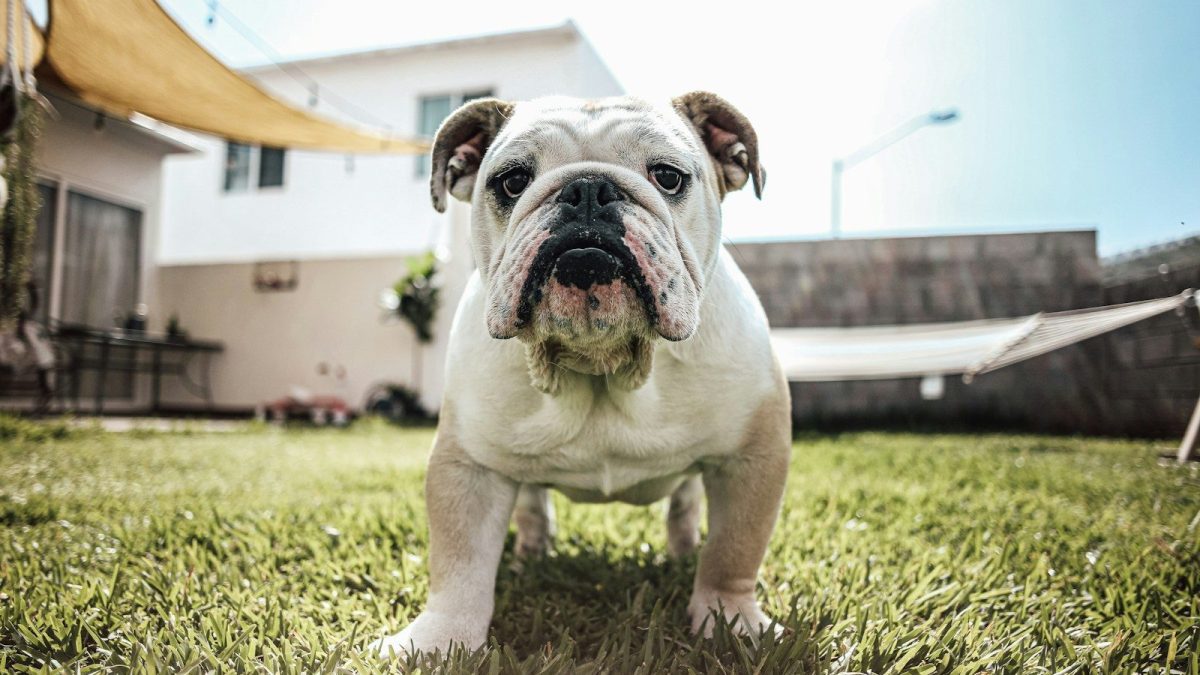
The Bulldog is one of the most recognizable dogs on earth — the wrinkled face, the pushed-in nose, the wide, rolling walk. Beneath that gruff-looking exterior is one of the gentlest, most people-focused breeds you can bring home. Bulldogs want to be near you. They’re happiest as a warm weight against your leg on the couch, not out patrolling a yard.
This is a medium-sized, low-energy dog with a big personality. Most Bulldogs are calm, stubborn, funny, and stubborn again. They don’t ask for much activity, which makes them appealing to people who want companionship without a demanding exercise schedule. But that easy energy comes packaged with real considerations: this breed has a high incidence of health issues tied to its flat face and heavy build, and their care requires attention that surprises many first-time owners.
If you’re drawn to the Bulldog because it looks like a low-effort dog, read the health section carefully before you commit. The daily routine is genuinely easy. The medical realities are not. Going in with clear eyes is the kindest thing you can do for the dog and your budget.
Breed Origin & History
The Bulldog’s name comes from its original job: bull-baiting, a brutal blood sport popular in England from the 1200s through the early 1800s. Dogs were bred to grip a tethered bull by the nose and hold on. The low center of gravity, powerful jaw, and undershot bite that define the breed today were selected for that purpose.
When England banned bull-baiting with the Cruelty to Animals Act of 1835, the breed nearly disappeared. Fanciers who admired the dog’s courage and character worked to reshape it into a companion animal, breeding out the aggression and softening the temperament over several generations. The modern Bulldog is a product of that deliberate transformation — a gentle dog descended from a fighting one.
The breed was recognized by the AKC in 1886 and remains one of America’s most popular breeds. It’s worth knowing that the exaggerated features seen in many show-line Bulldogs today — the very flat face, the heavy wrinkling, the broad body — are more pronounced than in the dogs of a century ago, and some of the breed’s health challenges are tied to that exaggeration. The FCI and various breed clubs internationally describe the same core dog, though weight and proportion standards vary slightly by registry.
Temperament & Personality
Bulldogs are affectionate, loyal, and dignified. Most form strong bonds with their whole household and are notably patient and gentle, which is part of why they’ve long been popular family dogs. They tend to be calm indoors — a Bulldog will happily nap most of the day and then follow you room to room.
The flip side of that easygoing nature is stubbornness. Bulldogs are intelligent but not eager to please in the way a Border Collie is. If a Bulldog decides it doesn’t want to move, it won’t. Training works, but it requires patience, short sessions, and food motivation. People expecting instant obedience get frustrated.
Most Bulldogs are friendly with strangers once introduced, and they’re generally good with children, though their size and enthusiasm mean small kids should be supervised. Same-sex dog aggression can appear in some individuals, so early socialization matters. This breed typically doesn’t bark much, but the snorting, snoring, and grunting are constant — Bulldogs are loud breathers by design, and if that noise would bother you, it’s a real consideration.
They are companion dogs through and through. A Bulldog left alone for long workdays, day after day, tends to become unhappy. This is a velcro breed that wants to be with its people.
Is This Breed Right for You?
A Bulldog suits you if you want a low-energy, deeply affectionate companion and you’re realistic about the responsibilities. Good fits include apartment and city dwellers (the exercise needs are modest), people who work from home or have someone around most of the day, and families with older, gentle children. Retirees and homebodies often love this breed because the dog’s rhythm matches theirs — plenty of rest, short walks, lots of shared couch time.
You also need to be financially prepared. This is a breed with a high incidence of health issues, and Bulldog owners frequently face higher-than-average veterinary costs over the dog’s life. If an unexpected multi-thousand-dollar surgery would be a crisis for you, this is not the right breed — and that’s an honest statement, not a scare tactic.
A Bulldog is a poor fit if you want a running, hiking, or biking partner. They physically cannot do sustained exercise, and pushing them in heat is dangerous. They’re a poor fit if you live somewhere hot without reliable air conditioning, because flat-faced dogs overheat easily and quickly. They’re also wrong for people who want a highly trainable, off-leash-reliable dog, or anyone who can’t tolerate loud snoring and some drool.
First-time owners can absolutely succeed with a Bulldog on the training and daily-care front — it’s a forgiving breed behaviorally. The hard part is the medical management. If you go in knowing the health picture and you’re prepared for it, a Bulldog can be one of the most rewarding companions you’ll ever have.
Care & Exercise Needs
Exercise needs are genuinely low. Two or three short walks a day — 15 to 20 minutes each — plus some indoor play is plenty for most Bulldogs. Walk them in the cool parts of the day and never in the heat of a summer afternoon. Because they overheat fast, keep sessions short and always have water available. Most Bulldogs cannot swim safely due to their build, so never leave one unsupervised near a pool.
Grooming is straightforward but has a specific catch: the facial and nose-rope wrinkles need regular cleaning, often several times a week, to prevent moisture and debris from building up in the folds. Their short coat sheds moderately and needs weekly brushing. Check the tail pocket if the dog has one, and keep the folds dry.
Mental stimulation matters even for a low-energy dog. Food puzzles, short training games, and sniff walks keep a Bulldog engaged. Keep training sessions to 5 or 10 minutes, use treats, and stay patient — this breed responds to consistency and rewards, not pressure. Harsh correction shuts a Bulldog down.
Weight management is one of the most important daily-care tasks. Bulldogs gain weight easily, and extra pounds worsen breathing and joint problems. Measure meals and go easy on treats. Because of their build, keep them off high furniture jumps to protect their joints and spine, and provide a cool, well-ventilated resting spot year-round.
Health Considerations
This is the section that should shape your decision. As a brachycephalic (flat-faced) breed, the Bulldog is known to have a higher incidence of Brachycephalic Obstructive Airway Syndrome (BOAS), which affects breathing and heat tolerance. They’re also known to have a higher incidence of hip dysplasia, various skin and fold-related conditions, eye issues such as cherry eye and entropion, and difficulty regulating body temperature.
Many Bulldogs cannot give birth naturally due to the puppies’ large heads relative to the mother’s pelvis, so cesarean sections are common in the breed. Their breathing structure also makes anesthesia and surgery higher-risk than in many breeds, which is worth discussing with any veterinary team.
Because of the airway and heat issues, Bulldogs need protection from hot weather, humidity, and overexertion. Signs of overheating can escalate quickly in this breed, so owners should learn to recognize labored breathing and act fast.
The average lifespan reflects these challenges — this is not typically a long-lived breed. Responsible breeders screen for hip and other conditions, and the Bulldog Club of America publishes health recommendations. None of this means every Bulldog will be sick, but the breed carries real, documented health risks, and prospective owners should budget for it. For any specific concern, screening protocol, or symptom, consult your veterinarian rather than relying on general breed information.
Recommended Gear Categories
A few gear categories matter more for Bulldogs than for other breeds. Skip the neck collar for walks and use a well-fitted harness instead — pressure on a flat-faced dog’s throat can worsen breathing, so look for a harness that distributes force across the chest. For grooming, keep soft cleaning wipes or a soft damp cloth on hand for the facial and nose folds, plus something to dry them afterward, since keeping the folds dry is what prevents problems.
Because of heat sensitivity, a cooling mat and reliable access to cool, ventilated spaces are worth prioritizing. In summer, look for cooling gear designed for flat-faced dogs and always carry water on walks. An elevated, breathable bed can help airflow.
For the joints, consider a supportive orthopedic bed and a ramp or low steps if the dog likes furniture, to reduce jumping. Slow-feeder bowls and food puzzles help with both weight control and mental stimulation. Your editor can add specific product picks — the point here is knowing which categories to shop for.
Similar Breeds to Consider
If you love the Bulldog’s look but want a slightly different fit, the French Bulldog is the obvious comparison. It’s smaller, easier to manage in an apartment, and shares the affectionate, low-energy personality — but it carries many of the same brachycephalic health considerations, so it doesn’t solve the medical concerns, just the size.
If the Bulldog’s health risks give you pause but you want a similarly mellow, sturdy companion, consider the Boston Terrier or the Pug. Both are people-focused and good in apartments, though the Pug is also flat-faced and shares the heat and breathing sensitivities. The Boston Terrier tends to be a bit more energetic and playful, which some families prefer.
For readers drawn to the Bulldog’s calm, blocky, guardian-adjacent presence but who want a healthier structure and more athletic ability, the American Staffordshire Terrier or a well-bred Boxer are worth a look. Both are more active and need real exercise, so they’re only a fit if you can provide it — but they don’t carry the same breathing limitations, and they can do the outdoor activities a Bulldog simply cannot.