
Overview
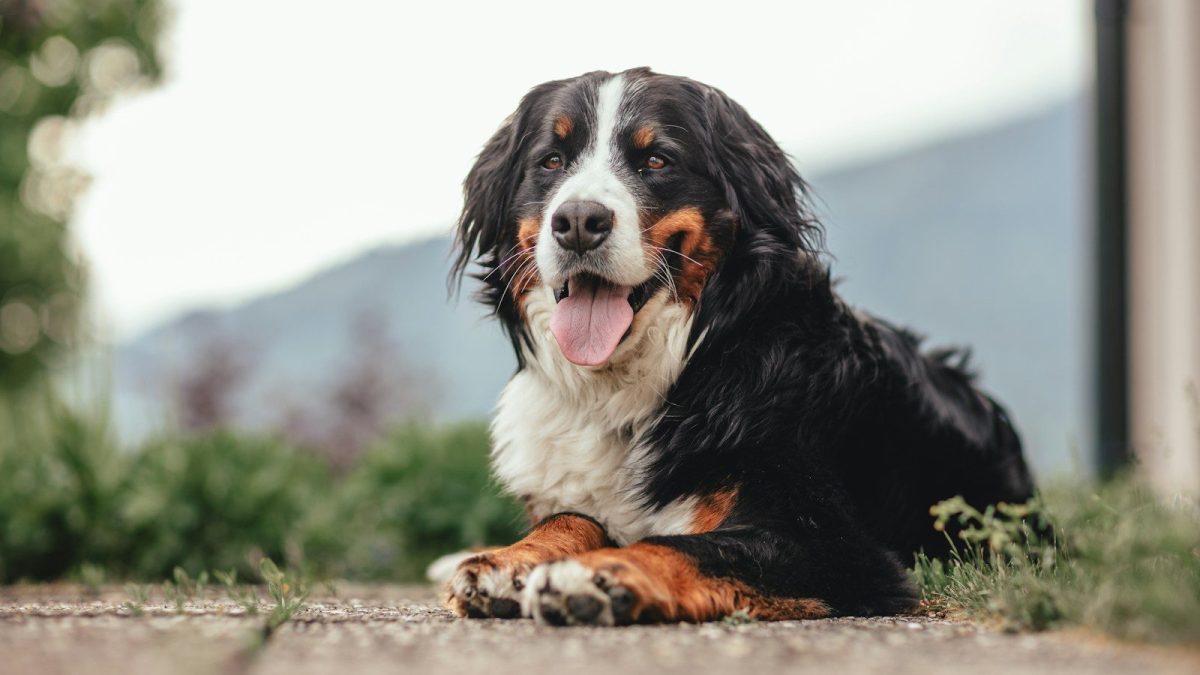
The Bernese Mountain Dog is a big, striking farm dog from the Swiss Alps — think 70 to 115 pounds of tricolor coat, soft brown eyes, and an almost startling desire to be near you. They’re one of four Swiss Sennenhund breeds, and the only one with a long coat. If you’ve ever seen one lean its full weight against a stranger’s leg at the park, you’ve met the breed’s whole personality in one gesture.
Berners are calm indoors and playful outside. They were bred to work alongside farmers, so they’re steady, willing, and sensitive to their people’s moods. Most are gentle with children and other animals. They’re not a guard breed in the aggressive sense, though their size and deep bark make them a natural deterrent.
Here’s the thing to understand before you fall in love: this is a heavy-shedding, drool-prone, big-money-in-vet-bills kind of dog with one of the shortest lifespans of any breed. The joy is real. So is the cost. A Berner asks a lot of an owner, and gives back an unusual amount of devotion for however long you get.
Breed Origin & History
The Bernese Mountain Dog comes from the canton of Bern in Switzerland, where farmers kept large tricolor dogs for centuries to pull carts of milk and cheese, drive cattle, and guard the homestead. The breed’s older name, Dürrbächler, points to the region around Dürrbach where these dogs were common. They were general-purpose farm dogs — not specialists, but reliable all-rounders.
By the late 1800s the type was fading as farm work modernized. A Swiss breeder and enthusiast named Franz Schertenleib, encouraged by cynologist Professor Albert Heim, worked to gather and preserve the remaining dogs. The breed was recognized in Switzerland in the early 1900s, and a Swiss club formed in 1907.
Berners arrived in the United States in the 1920s. The American Kennel Club recognized the breed in 1937, placing it in the Working Group, where it remains. The AKC lists ideal males at 25–27.5 inches and females at 23–26 inches at the shoulder.
A note on standards: the AKC and the FCI (which governs the breed in its Swiss homeland) describe the same dog, though details like disqualifying faults and phrasing differ. For US readers, the AKC standard is the reference point. Across all standards, the classic requirement is the same — a black base coat with rust and white markings, including the white ‘Swiss cross’ on the chest and the white blaze up the muzzle.
Temperament & Personality
Berners are affectionate, easygoing, and eager to please. Most want to be wherever their people are — following you room to room, settling at your feet, leaning in for contact. This is a genuine velcro dog. That closeness is the best thing about the breed and the biggest catch: a Berner left alone for long workdays tends to get anxious, bored, and destructive. They don’t do well as a background pet.
They tend to be gentle with children and tolerant of other dogs and cats, especially when raised with them. Puppies can be clumsy and mouthy simply because of their size, so supervision around small kids matters — a happy 90-pound tail-wag can knock a toddler over without any bad intent.
Berners are sensitive. Harsh corrections shut them down fast. They read tone and body language closely, which makes positive, patient training effective and heavy-handed training counterproductive. Many are a little reserved with strangers — not fearful, just slow to warm — so early, positive socialization is important to keep that reserve from tipping into shyness.
They’re not high-drive working dogs like a Malinois, and they’re not couch potatoes either. Expect a moderate energy level with real bursts of puppy-like play, especially in cold weather, which they love. The trade-off worth naming: the same softness that makes them such loving companions also makes them prone to separation stress and slow to bounce back from rough handling. If you want an independent, low-need dog, this isn’t it.
Is This Breed Right for You?
A Bernese Mountain Dog suits someone who is home a lot, has real indoor and outdoor space, and genuinely wants a large, shedding dog underfoot all day. Remote workers, retirees who are active, and families with a stay-at-home adult tend to do well. Cold-climate households have a natural advantage — Berners thrive in snow and struggle in heat.
You should be comfortable with the physical realities. This dog will cover your floors, clothes, and car in hair year-round, with two heavy ‘blowouts’ a season. Many drool, especially after drinking. A wet, muddy Berner tracks a lot of Berner through the house. You’ll vacuum constantly and never fully win.
You also need the budget. Large breeds cost more in food, boarding, medication doses, and vet care. Berners are prone to expensive orthopedic and health issues, and pet insurance premiums for the breed reflect that. Go in with eyes open about the money.
The hardest truth: Berners have one of the shortest average lifespans of any breed, often 7–10 years, driven largely by a high rate of cancer. If you cannot emotionally handle loving a dog deeply and likely losing them sooner than a smaller breed, be honest with yourself now.
This breed is a poor fit for: people who work long hours away from home, anyone in a hot climate without serious air conditioning, neat freaks who can’t live with hair and drool, and owners wanting a low-maintenance or highly independent dog. First-time owners can absolutely succeed with a Berner if they’ve researched the grooming, cost, and lifespan and aren’t blindsided by them — the training itself is manageable because the breed is so willing to please. It’s the logistics, not the temperament, that trip people up.
Care & Exercise Needs
Exercise: Plan on 45–60 minutes of activity daily, split into a couple of sessions — walks, off-leash play in a safe area, gentle hiking, or cart/draft work if you want to tap their heritage. They’re a moderate-energy breed, not an endurance athlete, and they can overheat quickly. In warm weather, exercise early morning or evening and watch closely for heavy panting. Avoid forced running or high-impact exercise during the first 18–24 months to protect developing joints.
Grooming: This is the daily commitment most people underestimate. Brush the double coat 3–4 times a week, and daily during the twice-yearly shedding seasons, using a slicker brush and undercoat rake. Expect a bath every 6–8 weeks or as needed. Check ears, trim nails every few weeks, and keep the feathering on the legs and tail free of mats. Berners are not hypoallergenic and are heavy shedders.
Mental stimulation: A bored Berner is an unhappy Berner. Rotate puzzle feeders, scent games, and short training sessions. Many enjoy having a ‘job,’ even something as simple as carrying a pack on a walk.
Training: Start early, keep it positive, and keep sessions short and upbeat. This breed responds beautifully to reward-based methods and shuts down under harshness. Prioritize loose-leash walking early — an untrained adult that pulls is a lot of dog to hold. Socialize widely as a puppy to counter the breed’s natural reserve with strangers.
Health Considerations
The Bernese Mountain Dog has real, well-documented health concerns that every prospective owner should understand. The breed is known to have a notably higher incidence of cancer than most breeds — including histiocytic sarcoma and other malignancies — which is a major reason their average lifespan runs shorter than many dogs their size.
Like most large breeds, Berners are known to have a higher incidence of hip and elbow dysplasia, joint conditions that can affect mobility. Responsible breeding programs screen for these using OFA or comparable evaluations. As a deep-chested breed, they are also considered at increased risk for bloat (gastric dilatation-volvulus), a sudden, life-threatening emergency. Some lines carry a higher incidence of eye conditions such as progressive retinal atrophy, as well as von Willebrand’s disease, a bleeding disorder.
Their heavy coat and poor heat tolerance mean heat stress is a genuine seasonal risk in warm climates. And because so many health issues in the breed are costly, pet insurance and a dedicated vet-care budget are worth considering before you bring one home.
None of this is meant to scare you off a wonderful breed — it’s meant to make sure you’re prepared. Health tendencies are not guarantees for any individual dog. Discuss screening, weight management, bloat risk, and an appropriate wellness plan with your veterinarian, who can advise based on your specific dog.
Recommended Gear Categories
Because Berners are large, strong, and shed heavily, a few gear categories matter more than others. Look for a well-padded, adjustable harness sized for large breeds — helpful for leash manners and for supporting an aging dog. A slicker brush plus an undercoat rake are non-negotiable for coat care, along with a high-volume vacuum built for pet hair. Consider a de-shedding tool for blowout season.
For an overheating-prone breed, a cooling mat and access to shade and water during warm months are genuinely useful. An elevated slow-feeder bowl and thoughtful feeding routine may help large, deep-chested dogs eat more calmly — ask your vet about bloat-risk feeding strategies. A large, orthopedic dog bed supports the joints of a heavy dog, especially as they age. If you want to honor their heritage, a properly fitted draft or cart harness lets them do the pulling work they were built for. Your editor will add specific product picks and current pricing via the gear meta box.
Similar Breeds to Consider
If you love the Berner’s look and gentle nature but worry about the coat or lifespan, a few breeds are worth comparing. The Greater Swiss Mountain Dog is a close cousin — same tricolor pattern and Swiss farm heritage, but with a short coat that sheds less dramatically and requires far less brushing. Swissies are a bit sturdier and more robust, though they share the large-breed health and heat considerations.
The Golden Retriever offers similar warmth and family-friendliness in a more manageable size, with a longer typical lifespan and easier heat tolerance. Goldens are more consistently outgoing with strangers and tend to suit active families and first-time owners who still want an affectionate, trainable dog but can’t take on a giant breed.
For someone drawn to the calm, devoted temperament and willing to accept enormous size, the Newfoundland is another gentle giant — famously sweet with children, though it drools more and needs the same commitment to grooming, cost, and a shorter lifespan. And if it’s the mountain-dog aesthetic and cold-weather love you’re after in a slightly lower-key package, the Bernese’s steady disposition is honestly hard to replicate — but the Greater Swiss remains the closest ‘lower-maintenance coat’ alternative for most readers.