
Overview
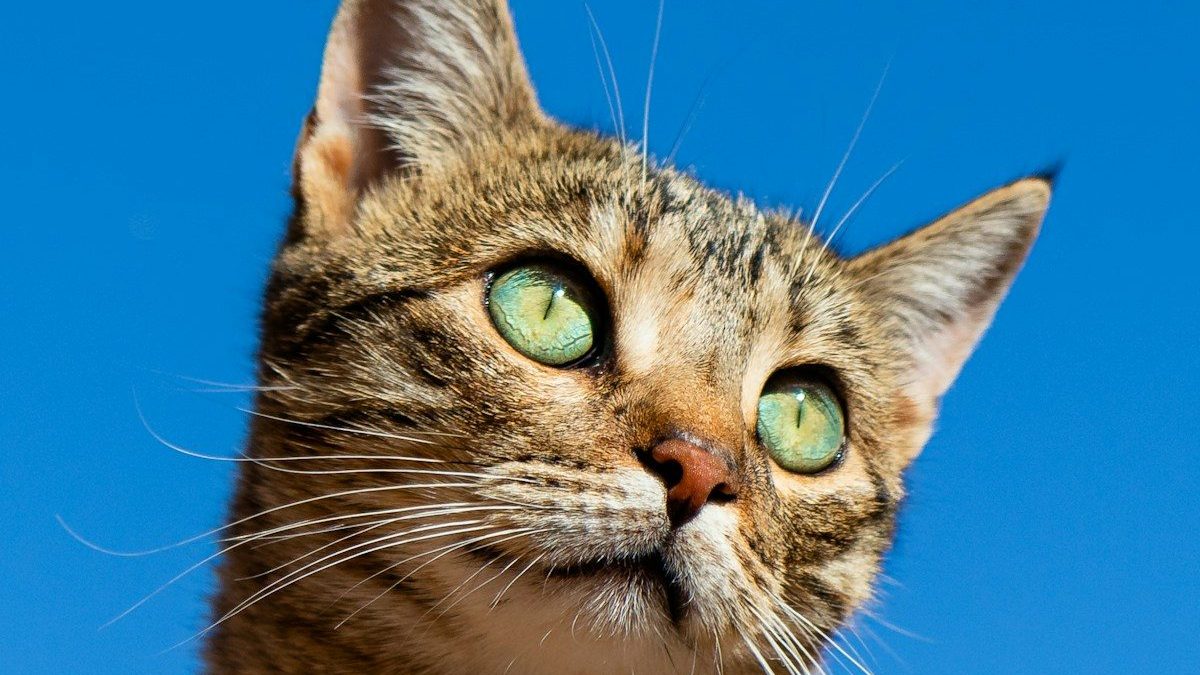
The American Shorthair is the cat equivalent of a well-built pickup truck: dependable, sturdy, and not fussy. It’s a medium-to-large cat with a broad chest, muscular body, and a round, full-cheeked face. The coat comes in a huge range of colors and patterns, though the silver tabby is the one most people picture first.
What draws people to this breed isn’t a single dramatic quality — it’s the absence of extremes. American Shorthairs aren’t clingy, but they aren’t aloof. They’re playful without being hyperactive. They tolerate handling well, get along with kids and other pets, and generally roll with changes in the household. This is a cat bred, in effect, by generations of American working life rather than by fashion.
If you want a cat that fits into a busy home without demanding constant attention or specialized care, the American Shorthair belongs on your shortlist. Just know going in that ‘easygoing’ also means this cat is content to do its own thing. It’s affectionate on its terms, not yours.
Breed Origin & History
The American Shorthair traces back to working cats that arrived with European settlers, likely on ships where they earned their keep hunting rats. For centuries these cats were valued for function, not looks — barn cats, ship cats, and household mousers.
By the early 20th century, breeders began selecting for consistent type and temperament to preserve the best qualities of these hardy domestic cats. The Cat Fanciers’ Association (CFA) recognized the breed early — it was among the founding breeds when CFA formed in 1906, though it was originally called the ‘Domestic Shorthair.’ The name was changed to ‘American Shorthair’ in 1966 to distinguish the pedigreed breed from random-bred house cats and to emphasize its American development.
This distinction matters and trips people up constantly. A ‘domestic shorthair’ at a shelter is a mixed-breed cat of unknown ancestry that happens to have short hair. An American Shorthair is a recognized pedigreed breed with documented lineage and a defined standard. They can look similar, but they aren’t the same thing. The breed is recognized by CFA and TICA, and the silver tabby American Shorthair remains one of the most iconic and awarded show cats in the United States.
Temperament & Personality
American Shorthairs are famously even-tempered. They’re social and affectionate but rarely needy — the kind of cat that will settle near you rather than on you, and greet you at the door without making a scene about it. Most enjoy interactive play and keep a bit of their kitten playfulness well into adulthood.
The trade-off is exactly what makes them so livable: their independence. If you’re hoping for a shadow cat that curls in your lap for hours and cries when you leave the room, this breed will probably disappoint you. Most American Shorthairs are perfectly happy entertaining themselves and prefer to choose when affection happens. They tolerate being picked up but many don’t love it.
They tend to be quiet. You’ll hear the occasional chirp or short meow rather than a running commentary. Their hunting heritage shows up in a strong prey drive — expect enthusiastic ambushing of toys, and secure any pet birds or small animals in the home.
Most adapt well to households with children and other pets, provided introductions are handled patiently. They’re not territorial drama-makers as a rule. But ‘most’ is doing real work in that sentence: individual cats vary, and a poorly socialized kitten can grow into a shy adult regardless of breed reputation.
Is This Breed Right for You?
The American Shorthair suits people who want a cat that fits into real life rather than reorganizing it. Good matches include: first-time cat owners who want a forgiving, low-maintenance companion; families with school-age kids who can learn to respect a cat’s boundaries; households with a dog or another cat where a non-territorial newcomer is a plus; and people who work full days and need a pet that’s content alone for stretches.
They also suit apartment dwellers reasonably well, as long as you provide vertical space and daily play. They’re not high-energy pacers, but they do need stimulation to avoid boredom weight gain — more on that below.
Who should look elsewhere? Anyone wanting a deeply bonded, follow-you-room-to-room ‘velcro’ cat. Ragdolls, Burmese, or Siamese will scratch that itch far better. If you want a cat that talks to you constantly, the quiet American Shorthair will feel like a wallflower. If you want a cat that adores being cradled and carried, many American Shorthairs will squirm out of your arms.
One honest caution: this breed is prone to becoming overweight, partly because they’re mellow and food-motivated. If you’re the type who free-feeds and skips playtime, an American Shorthair will happily become a very round cat, and obesity brings real health costs. This is a great breed for people who’ll measure food and commit to two short daily play sessions — and a frustrating one for those who won’t.
Care & Exercise Needs
Grooming is genuinely simple. The dense short coat needs brushing about once a week — more during seasonal shedding in spring and fall — to remove loose hair and cut down on hairballs. They shed moderately year-round; expect fur on dark clothing. No professional grooming required. Trim nails every couple of weeks and check ears occasionally.
Exercise and mental stimulation are where most owners fall short. American Shorthairs are moderate-energy cats that self-regulate down to lazy if you let them. Aim for two 10-15 minute interactive play sessions daily — wand toys, feather teasers, or toys that trigger their chase-and-pounce instinct. Puzzle feeders are excellent for this breed because they combine mental work with slower eating. Provide a cat tree or shelves for climbing, and a scratching post they actually like (test both vertical and horizontal).
Diet deserves real attention. Because this breed gains weight easily, measure meals rather than free-feeding, and talk to your vet about appropriate portions. A food puzzle or two turns eating into activity.
Training is more feasible than people expect. American Shorthairs are food-motivated and reasonably clever, so clicker training for simple behaviors, harness walking, or recall is realistic if you’re patient. Keep the litter box clean and in a quiet spot — this breed isn’t unusually picky but no cat tolerates a dirty box. Overall, this is one of the least demanding cats to care for, provided you don’t confuse ‘low maintenance’ with ‘no maintenance.’
Health Considerations
The American Shorthair is generally a robust, long-lived breed, one of the reasons it earned its reputation for hardiness. That said, no breed is free of concerns.
This breed is known to have a higher incidence of hypertrophic cardiomyopathy (HCM), the most common heart disease in cats, which causes thickening of the heart muscle. Some lines carry it, and it can develop without obvious early symptoms. Responsible breeders screen breeding cats with cardiac ultrasound.
Obesity is arguably the biggest day-to-day health risk for this breed, precisely because they’re mellow and enjoy food. Excess weight compounds nearly every other health issue and can shorten lifespan, so weight management is central to keeping an American Shorthair healthy. As with all cats, dental disease is common and worth monitoring, and routine care matters as they age.
Their short, low-maintenance coat spares them many skin and grooming-related problems seen in longhaired breeds. With good preventive care, American Shorthairs commonly live into their mid-teens and beyond.
These are general breed tendencies, not predictions for any individual cat. For guidance on screening, weight, diet, and any symptoms you notice, consult your veterinarian, who can advise based on your specific cat.
Recommended Gear Categories
A sturdy, tall cat tree or a set of wall shelves matters more than people assume — this breed likes to climb and survey, and vertical space helps prevent boredom in apartments. Offer both a vertical scratching post tall enough for a full stretch and a horizontal scratcher, since cats have individual preferences.
Because weight control is the central care challenge, invest in puzzle feeders and slow-feed bowls that turn mealtime into activity. A measured feeding routine beats free-feeding for this breed. Interactive wand toys with feather or prey-like attachments suit their hunting instincts far better than a basket of ignored plush mice.
A well-fitted cat harness is worth considering if you want to try supervised outdoor time — American Shorthairs are trainable enough that many take to it. Look for an H-style or vest harness that distributes pressure across the chest rather than the neck. Round out the basics with a slicker or grooming brush for the weekly once-over and seasonal shedding, plus a covered or open litter box based on your cat’s preference — this breed isn’t fussy but appreciates cleanliness.
Similar Breeds to Consider
If you like the sturdy, low-maintenance appeal of the American Shorthair but want something slightly different, a few breeds are worth comparing. The British Shorthair offers a similar calm, independent personality in an even more solid, plush package — a great pick if you love the easygoing temperament but want a rounder, more teddy-bear look. British Shorthairs also share the tendency toward weight gain, so the same feeding discipline applies.
The European Burmese or a Ragdoll suits readers who discovered, reading this profile, that they actually want a more affectionate, people-oriented cat. Ragdolls go limp when held and follow their people around — the opposite of the American Shorthair’s take-it-or-leave-it independence — though they need more grooming and cost more.
For those drawn to the working-cat hardiness and hunting drive, the Maine Coon delivers a similar friendly, adaptable temperament in a much larger, longhaired body with a bit more sociability and a lot more grooming. And if you want the American Shorthair’s mellow nature but prefer to adopt, a shelter domestic shorthair is often a wonderful, healthy choice — just remember it won’t come with a predictable breed standard or documented lineage.