
Overview
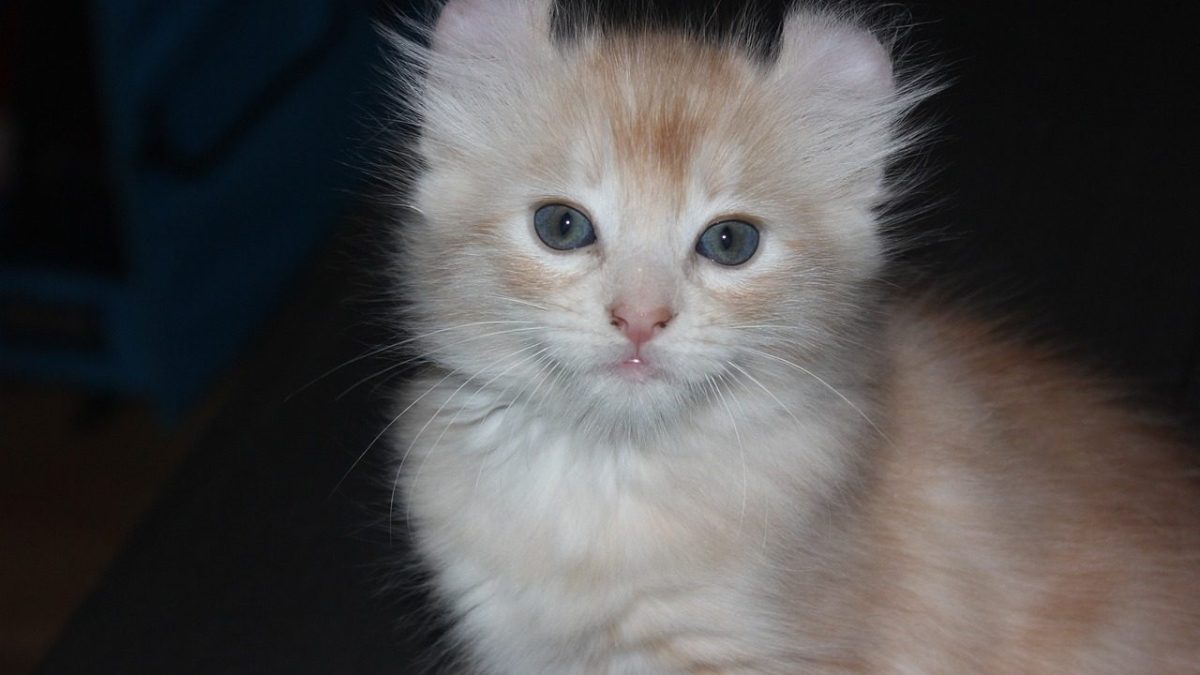
The American Curl is a medium-sized, well-balanced cat — typically five to ten pounds — distinguished by ears that curl backward away from the face in a smooth arc. The degree of curl varies, and the effect ranges from a slight backward tilt to a pronounced crescent.
The development is the interesting part. Kittens are born with straight ears. Within two to ten days the ears begin to curl, then unfurl and re-curl over the following weeks, settling into their permanent shape by around four months. Until then, nobody can tell you exactly how a kitten’s ears will end up.
The breed comes in both short and long coats, with the longhaired variety carrying a silky coat and plumed tail but little undercoat, which keeps grooming manageable.
Temperamentally, American Curls are friendly, curious, adaptable and famously youthful — the breed is often called the Peter Pan of cats because it retains kittenish playfulness well into adulthood.
Here is the honest headline, and it is unusually positive. The curl comes from a dominant mutation that, unlike several other distinctive cat traits, has no known associated health problems. Combined with a deliberately wide gene pool, that makes the American Curl one of the healthiest and most straightforward pedigree cats available — an unusual thing to be able to write about a breed defined by an unusual physical feature.
Breed Origin & History
The breed began in Lakewood, California in 1981, when a stray longhaired black cat with unusual curled ears turned up at a family’s door. She was taken in and named Shulamith, and every American Curl alive descends from her.
Her first litter demonstrated that the trait was heritable, and subsequent breeding established that it is caused by a dominant gene — a single copy produces curled ears. That has a practical consequence visible in every litter: kittens are born with straight ears, some curl and some do not, and straight-eared American Curls are fully part of the breed and are actively used in breeding.
The breed developed quickly through the 1980s and gained recognition from the major registries within about a decade, which is fast by cat fancy standards.
One decision made early has shaped the breed’s health more than anything else. Rather than closing the studbook tightly, breeders were permitted to outcross to non-pedigreed domestic cats, which kept the gene pool broad. Most breeds founded on a single animal carry the consequences of that bottleneck; the American Curl largely does not, precisely because of this choice.
The Cat Fanciers’ Association recognizes both the shorthaired and longhaired varieties and maintains the standard, which describes the ear curl along with a moderate, well-balanced body.
Temperament & Personality
American Curls are friendly, curious, gentle and adaptable. They are people-oriented without being demanding — most will follow their owners around, involve themselves mildly in what is happening, and settle nearby or on a lap when invited.
The youthful quality is genuine. Curls retain a playful, inquisitive streak well past the age at which most cats settle into dignified middle age, and many are still initiating games at eight or ten years old.
They are intelligent and readily entertained by puzzle toys and interactive play, though they are not the relentless athletes an Abyssinian or Bengal is. Activity is moderate.
Vocalization is low. Curls communicate with soft trills and chirps rather than sustained conversation, which suits apartments well.
They are typically excellent with children, dogs and other cats, and they generally greet visitors with curiosity rather than hiding. Adaptability is one of the breed’s defining strengths — Curls tend to handle household changes, travel and new people better than most pedigree cats.
They tolerate being alone for reasonable periods better than the intensely social breeds, though like any cat they benefit from company and enrichment.
The main thing to be aware of is physical rather than behavioral: the curled ears have firm cartilage and need gentle handling, which is covered below.
Is This Breed Right for You?
The American Curl suits a wide range of households, which is unusual enough to be worth saying plainly. Specifically: families with children, given the tolerant, playful temperament. Multi-pet homes including those with dogs. Apartment dwellers, thanks to the quiet voice and moderate energy. First-time cat owners. People who work regular hours, since the breed copes with solitude reasonably. Owners who want an unusual-looking cat without an unusual set of problems. Anyone who wants a cat that stays playful into old age.
It also suits people who have looked at other distinctive breeds — Manx, Scottish Fold, Sphynx — and been put off by the welfare questions attached to their defining traits. The American Curl is the rare case where the unusual feature is genuinely just a feature.
Here is who should think twice. Anyone wanting a completely low-maintenance ear situation; the curled ears need gentle handling and periodic checking, which is minor but real. People wanting a highly athletic or acrobatic cat — Curls are playful but moderate. Households wanting a lap cat that insists on contact, since Curls are affectionate on their own terms.
Availability is worth noting too. The breed is not common, and finding a breeder may take patience.
And a practical caution: if you are buying a kitten under four months, nobody can tell you definitively how the ears will finish. Breeders generally hold show-quality kittens until the ears set, so a kitten offered very young with guarantees about ear shape is a claim worth questioning.
Care & Exercise Needs
Ear care is the one breed-specific task, and it is straightforward once understood. The cartilage in a curled ear is firm rather than flexible, and forcing it or handling it roughly can cause damage. Handle the ears gently, support rather than bend them, and teach children to leave them alone.
The curl can also make the ear canal slightly less open than in a straight-eared cat, so check ears regularly for wax buildup or debris and clean gently with a cat-safe solution when needed. Most Curls need no more than occasional attention, but checking is worth building into the routine.
Grooming is otherwise easy. The shorthaired variety needs a weekly pass with a soft brush. The longhaired variety carries a silky coat with little undercoat, so weekly combing generally suffices — nothing like a Persian’s demands.
Play matters for a cat that stays kittenish. Daily interactive sessions with a wand toy, plus puzzle feeders and a rotating toy selection, suit the breed’s curiosity without requiring the elaborate infrastructure an athletic breed demands.
Provide climbing options and perches, though moderate height is sufficient.
Weight deserves ordinary attention — measure portions rather than free-feeding.
Otherwise routine care applies: nail trimming, dental attention, litter hygiene and regular checkups. Curls are generally cooperative and adaptable, which makes handling and vet visits easier than with a more sensitive breed.
Health Considerations
The American Curl’s health picture is genuinely good, and the reasons are worth explaining because they are instructive.
The ear curl mutation is dominant and, importantly, is not associated with any known health problems. This is a meaningful contrast with several other distinctive cat traits: the Manx’s taillessness comes with spinal defects, and the Scottish Fold’s folded ears come from a cartilage mutation linked to painful degenerative joint disease. The American Curl’s ears are a cosmetic variation rather than a structural compromise, and there is no evidence of hearing problems or ear disease at elevated rates.
The second factor is the gene pool. Breeders were permitted to outcross to non-pedigreed domestic cats, which kept genetic diversity broad. Most breeds descended from a single founder carry the consequences of that narrow base; the American Curl largely escaped it by design.
The practical result is a breed with no widely documented breed-specific inherited diseases. That is a rare thing to be able to write, and it should not be overstated into a guarantee — individual cats get ill, and responsible breeders still screen for the conditions that occur across cats generally, including hypertrophic cardiomyopathy.
The conditions to watch are the ordinary feline ones: dental disease, which is near-universal without dental care, obesity in indoor cats, and in older animals kidney disease and hyperthyroidism.
A healthy American Curl commonly lives 12 to 16 years. For any concern about your cat’s ears, weight or general health, consult your veterinarian rather than relying on general breed information.
Recommended Gear Categories
Ear care supplies are the one breed-specific item: a cat-safe ear cleaning solution and soft cotton pads, used gently and only when needed. Nothing rigid should go near a curled ear.
For grooming, a soft brush handles the shorthair and a wide-toothed comb suits the longhaired variety. Neither needs the heavy tools a dense-coated breed requires.
Play equipment should suit a cat that stays kittenish for life. Wand toys, small balls, treat-dispensing puzzles and a rotating toy collection all get used well into old age. Interactive toys matter more than elaborate climbing structures here, since the breed is playful rather than athletic.
A mid-height cat tree with generous platforms and a window perch covers the climbing requirement comfortably — you do not need ceiling-height towers.
For feeding, a measured scoop and a slow feeder help with weight control, and a water fountain encourages intake.
A soft-sided carrier is usually well tolerated, since adaptability is one of the breed’s strengths and Curls generally travel and handle better than more sensitive cats.
Sturdy scratching posts in both vertical and horizontal forms, and nail clippers used regularly, round out the list. Your editor will add specific product recommendations with current pricing and details.
Similar Breeds to Consider
The Scottish Fold is the obvious visual comparison — another breed defined by an unusual ear, and the contrast is the most important thing on this page. The Fold’s ears come from a cartilage mutation associated with painful degenerative joint disease, and several registries and veterinary organizations have raised welfare objections to the breed. The American Curl’s ears carry no such burden. If you are drawn to unusual ears, this distinction should decide the matter.
The Manx offers a similar lesson in the opposite direction: a distinctive trait that comes with documented spinal risk. Again, the Curl is the breed where the unusual feature is genuinely just a feature.
The Selkirk Rex is the closest match on temperament among the unusual-looking breeds — calm, tolerant, adaptable and easy to live with, with a curly coat instead of curled ears.
The American Shorthair suits someone who wants the Curl’s easygoing family temperament and robust health in an entirely conventional package.
The Ragdoll is worth considering for anyone whose priority is a docile, affectionate cat that enjoys being handled, at a larger size and with a semi-long coat.
In short: choose the American Curl for an unusual-looking cat with none of the usual complications, the Selkirk Rex if a curly coat appeals more than curled ears, the American Shorthair if you want the temperament without the distinctiveness, and avoid assuming the Scottish Fold is an equivalent choice — it is not.