

Let’s be clear about what “best dog for families with teenagers” really means. There’s no single breed that’s best for everyone in this situation. What we’re actually asking is: which breeds tend to thrive in a home where the kids are older, more independent, out of the house a lot, and — realistically — likely to promise they’ll walk the dog every day and then not always do it?
A household with teenagers is different from one with toddlers. Your teens can handle a bigger, stronger dog. They can learn real training.
But they also have packed schedules, and the dog often ends up being the parents’ responsibility more than anyone expected. The right breed fits the household you actually have, not the one you picture in the brochure. These are the breeds we’d genuinely recommend to a friend in this situation.
For each one, read the watch-outs as carefully as the reasons to say yes. A breed’s downsides are where mismatches happen.
What ‘families with teenagers’ actually means for breed selection
Teenagers change the math in a few specific ways.
First, physical capability. A 14-year-old can safely handle a 60-pound dog on a leash, do real recall training, and manage a dog that pulls when it’s excited. That opens up breeds that would be a poor fit for a home with a five-year-old.
Second, schedules. Teens are gone — school, sports, jobs, friends. The dog you get “for the kids” is often walked, fed, and comforted by a parent. Be honest with yourself about who’s home during the day and who will actually do the daily work.
Third, the good years overlap. A dog you get when your kid is 13 will be middle-aged when they leave for college. That’s worth thinking about emotionally, and it means you’re choosing a dog for the empty-nest years too, not just the noisy ones.
Fourth, energy and stimulation. Teens can be great exercise partners for a dog — running, hiking, biking. But that only works if they follow through consistently. Match the dog’s needs to your household’s realistic minimum, not its best week.
What we looked for
We prioritized a few traits, each with a trade-off attached.
Steady temperament with strangers and comings-and-goings. Teenage life means friends over, doors opening, unpredictable schedules. We favored breeds that generally take that in stride over ones that are highly territorial or anxious about change.
Trainability that a motivated teen can actually manage. Some breeds are so biddable they nearly train themselves; others are smart but stubborn and will happily out-negotiate a beginner. We flagged both.
Matched energy. We included a range — some high-drive breeds for active families and some moderate ones for households that are busy but not athletic. High energy is a feature only if you’ll use it. Otherwise it becomes chewed furniture and 11 p.m. zoomies.
Durability and size that older kids can handle. Fragile toy breeds and giant breeds both got a harder look; we included some anyway where the fit is right.
Realistic grooming and shedding. If anyone in the house is allergy-aware, this matters more than looks. No dog is truly hypoallergenic, but coat type changes how much dander and hair ends up in your space.
Our recommendations
1. Labrador Retriever
Read our full Labrador Retriever profile →
Why it fits: The Lab earns its reputation. Most are friendly with strangers, tolerant of a chaotic house, and eager to please, which makes them a forgiving first dog for a motivated teen to help train. They’re sturdy enough to roughhouse and swim and hike, and they usually bond with the whole family rather than fixating on one person. The AKC and the Labrador Retriever Club describe a temperament built around working cooperatively with people — that’s the trait that makes them so adaptable to family life.
Watch out for: Labs are high-energy through adolescence, which typically lasts until age two or later. Without at least 60–90 minutes of real activity a day, a young Lab gets destructive and mouthy. They shed heavily year-round despite the short coat, so allergy-aware households should meet one first. The breed is prone to obesity and to hip and elbow issues — ask about health screening and talk to your vet about weight management. And a bored, under-exercised Lab is the origin story of a lot of eaten shoes.
2. Golden Retriever

Read our full Golden Retriever profile →
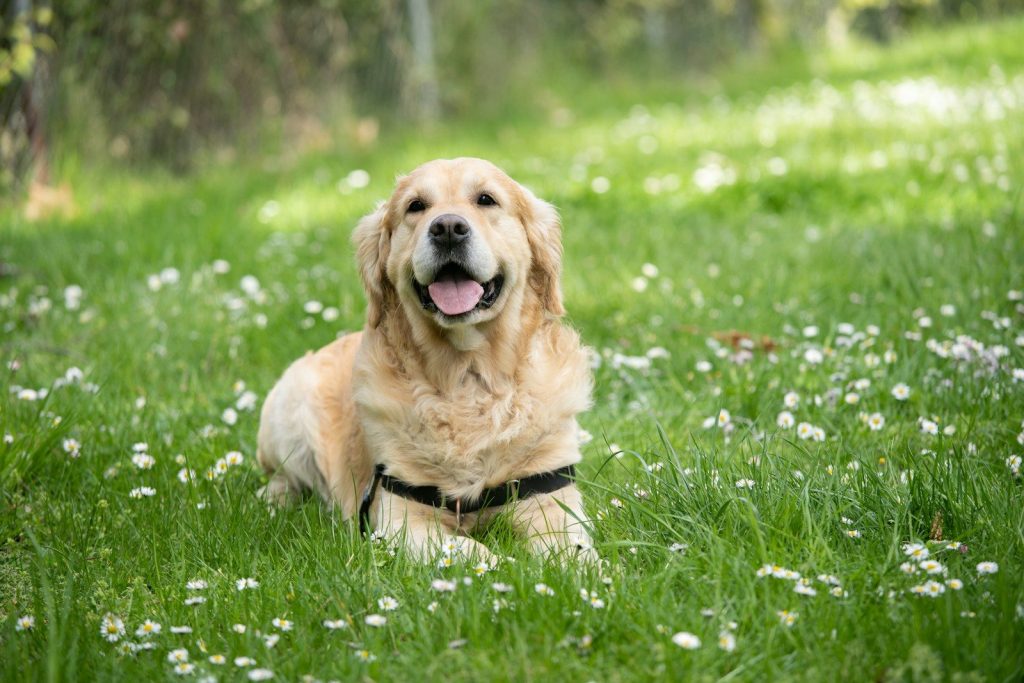
Why it fits: Goldens bring the same people-focused, trainable temperament as Labs with a slightly softer, more sensitive edge. Most are gentle, patient, and want to be involved in whatever the family is doing. For a teen who wants a dog to train, hike with, or just decompress next to after a hard day, the Golden’s emotional attentiveness is a real asset. The Golden Retriever Club of America emphasizes an eager, biddable working temperament.
Watch out for: The coat is a genuine commitment — thick double coat, heavy seasonal shedding, and regular brushing to prevent mats. This is not a low-maintenance dog to keep clean. Goldens are also emotionally sensitive; harsh handling or a lot of household tension affects them. Health-wise, the breed has a well-documented elevated cancer risk and joint concerns, so responsible screening matters and you should discuss preventive care with your vet. They’re friendly to a fault — not a guard dog in any sense.
3. Standard Poodle
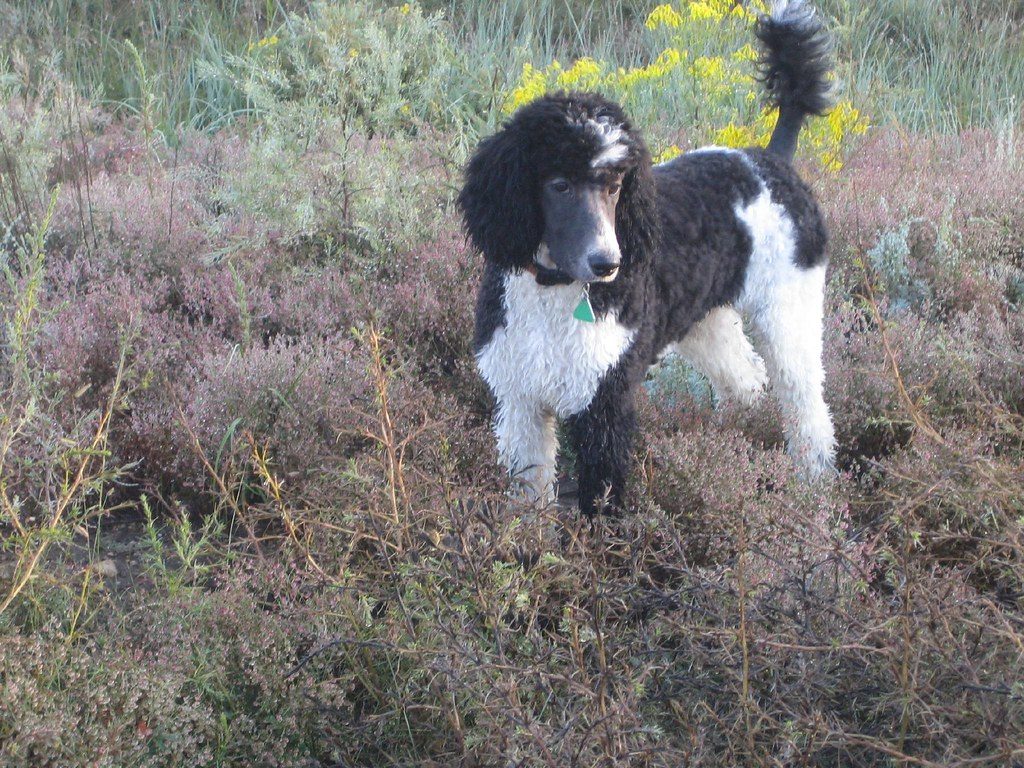
Why it fits: Standard Poodles are one of the smartest, most trainable breeds around, and they suit families who want an active, engaged dog with a coat that sheds very little. For an allergy-aware household, a Standard is worth meeting in person before deciding. They’re athletic enough for a sporty teen, quick to learn tricks and obedience, and generally affectionate with their people. Many are more reserved with strangers than a Lab, which some families prefer.
Watch out for: That low-shedding coat comes with a cost: professional grooming every 4–6 weeks plus regular at-home brushing, or it mats badly. Budget for it. Poodles are highly intelligent, which means a bored one invents its own entertainment — they need mental work, not just walks. Some lines are sensitive and don’t love roughhousing. The breed can be prone to certain eye and joint conditions; ask about health testing and consult your vet on what to monitor.
4. Boxer

Why it fits: Boxers are playful, people-loving, and famously good with kids they’ve grown up around. They stay goofy and energetic well into adulthood, which fits a lively household of teens who want a dog that’s up for activity. They’re loyal and mildly protective without being aggressive by nature, and they bond hard with their family. The American Boxer Club describes a temperament that’s patient with children and deeply attached to its people.
Watch out for: Boxers are strong, bouncy, and slow to mature — an untrained young Boxer will happily knock someone over out of pure joy, so early training and follow-through matter. They’re a brachycephalic (short-faced) breed, which means heat sensitivity and breathing considerations; avoid hard exercise in hot weather and talk to your vet. The breed has known heart conditions and a higher cancer incidence, so screening and regular checkups are important. They also don’t tolerate being left alone for long stretches well.
5. Australian Shepherd
Read our full Australian Shepherd profile →
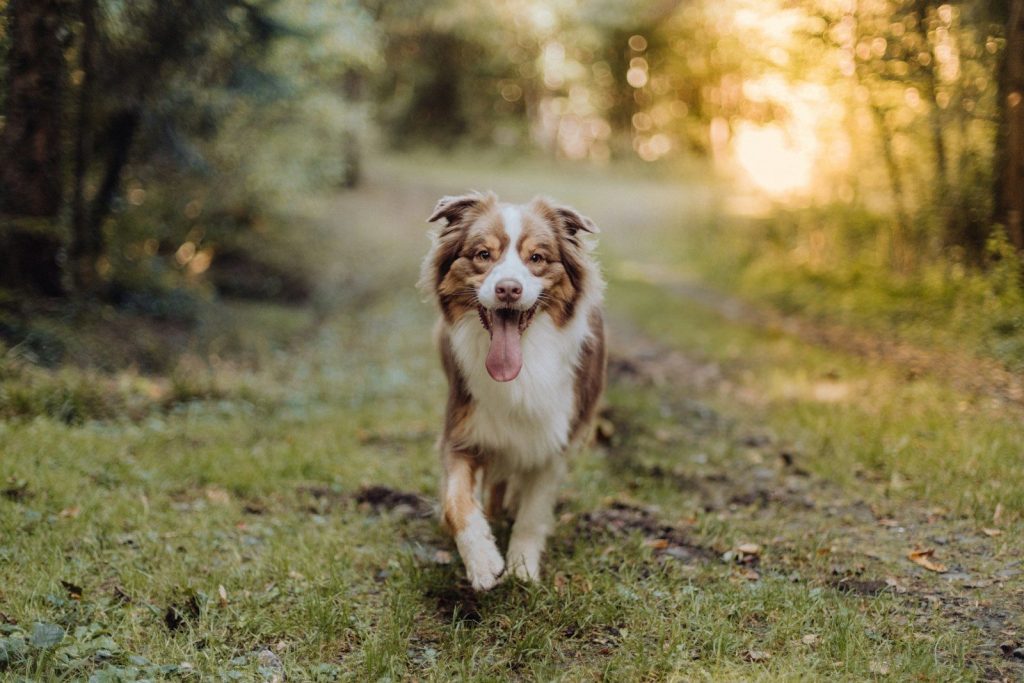
Why it fits: For an active, outdoorsy family with a teen who genuinely wants a project dog, the Aussie is fantastic. They’re brilliant, athletic, and capable of learning almost anything — agility, herding, complex tricks, long trail days. A teen who commits to training an Aussie gets an incredibly rewarding partner. They’re typically devoted and affectionate with their family.
Watch out for: This is the biggest ‘only if you’ll do the work’ pick on the list. Aussies were bred to work all day and need serious physical and mental exercise — think 1–2 hours of activity plus training or a job. Under-stimulated, they become anxious, barky, and sometimes nippy, and the herding instinct can turn into chasing and nipping at moving kids or bikes. They can be reserved or wary with strangers. The coat sheds a lot and needs regular brushing. Do not get this breed on the hope that your teens will exercise it — get it only if you know they will.
6. Cavalier King Charles Spaniel
Read our full Cavalier King Charles Spaniel profile →
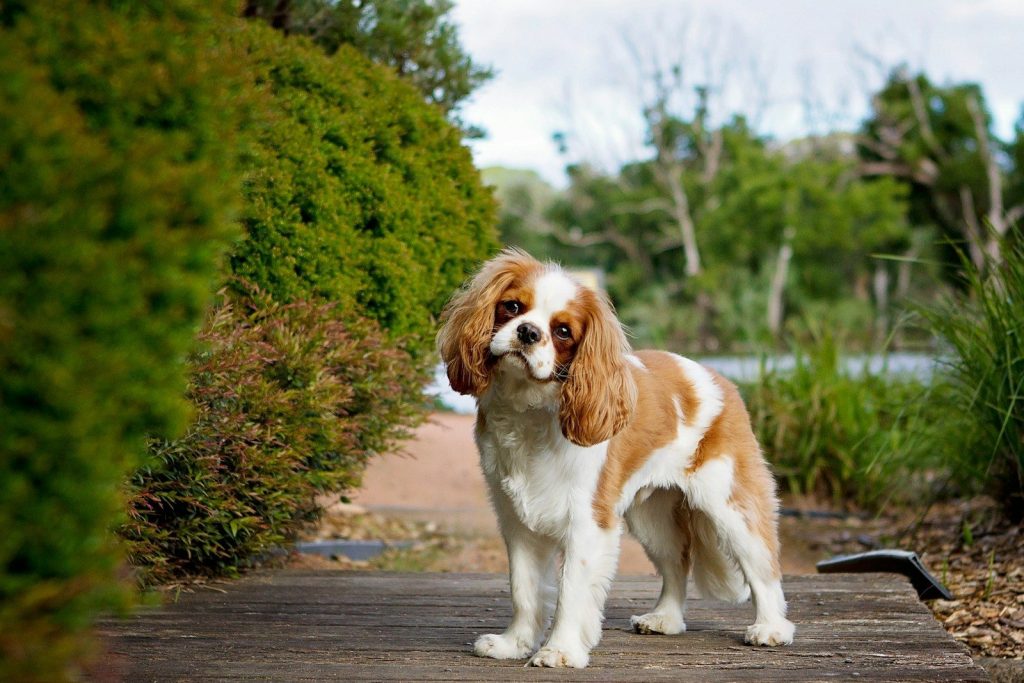
Why it fits: Not every family with teenagers wants a big active dog. If your household is busier than it is athletic, the Cavalier is a gentle, affectionate companion that’s happy with moderate exercise — a couple of good walks and play a day. They’re friendly with nearly everyone, adaptable to apartments, and easy for a teen to handle. They’re small but sturdier and more playful than most toy breeds.
Watch out for: Be very clear-eyed about health here. The breed has serious, well-documented predispositions to mitral valve heart disease and to a neurological condition called syringomyelia. This is a breed where health history and screening genuinely matter, and you should discuss lifelong monitoring with your vet. Cavaliers are companion dogs that don’t do well left alone for long days — a poor fit if the house is empty from 7 to 6. The silky coat needs regular brushing, and they shed moderately.
7. Vizsla
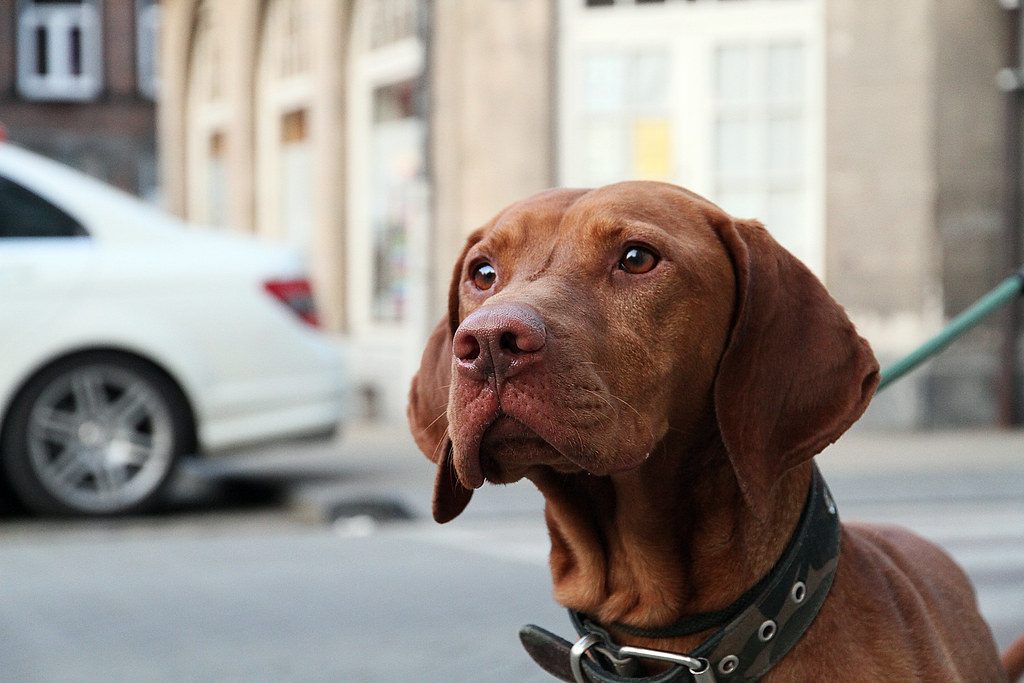
Why it fits: For a family whose teens are runners, hikers, or generally on the move, the Vizsla is a superb athletic companion. They’re affectionate to the point of being called ‘velcro dogs,’ with a short coat that’s low on grooming and moderate on shedding. They’re smart and sensitive, and a devoted teen can build a very close bond through training and shared activity. Most are gentle and warm with their family.
Watch out for: The velcro thing is real — Vizslas hate being alone and are prone to separation anxiety in homes where everyone’s gone all day. They’re high-energy sporting dogs that need vigorous daily exercise (well over an hour) and mental engagement; a bored Vizsla is a stressed, destructive Vizsla. They’re sensitive to harsh corrections and don’t respond well to a heavy hand. This is a breed for an active household where someone is home a good part of the day.
How we made these picks
We built this list around breed-club and registry consensus on temperament, energy, and typical family suitability, cross-referenced with each breed’s documented health profile. Primary sources included the American Kennel Club (akc.org) breed standards and the relevant national parent clubs — among them the Labrador Retriever Club, the Golden Retriever Club of America, the American Boxer Club, and the Australian Shepherd Club of America — for temperament descriptions written by people who work with these breeds daily. Our core criteria: steady temperament around household comings-and-goings, trainability a motivated teenager could realistically manage, a size and durability appropriate for older kids, and an honest match between the breed’s exercise needs and a typical busy family’s follow-through.
We deliberately included a range of energy levels rather than only high-drive breeds, because ‘busy family’ and ‘athletic family’ are not the same thing. We left out a few breeds that show up on other ‘best family dog’ lists. We’re cautious about recommending guardian breeds (like Rottweilers or German Shepherds) as a default family pick — they can be excellent in experienced homes, but they demand more training expertise than most families gathering ideas from a search result have on hand, and a poorly socialized one is a serious liability.
We also skipped very small toy breeds where fragility outweighs the fit, and we flagged brachycephalic and health-heavy breeds honestly rather than dropping them, because sometimes the temperament fit is genuinely right and the family deserves to weigh the trade-off themselves. These are tendencies, not guarantees — individual dogs vary, and how a dog is raised and trained matters as much as its breed.