
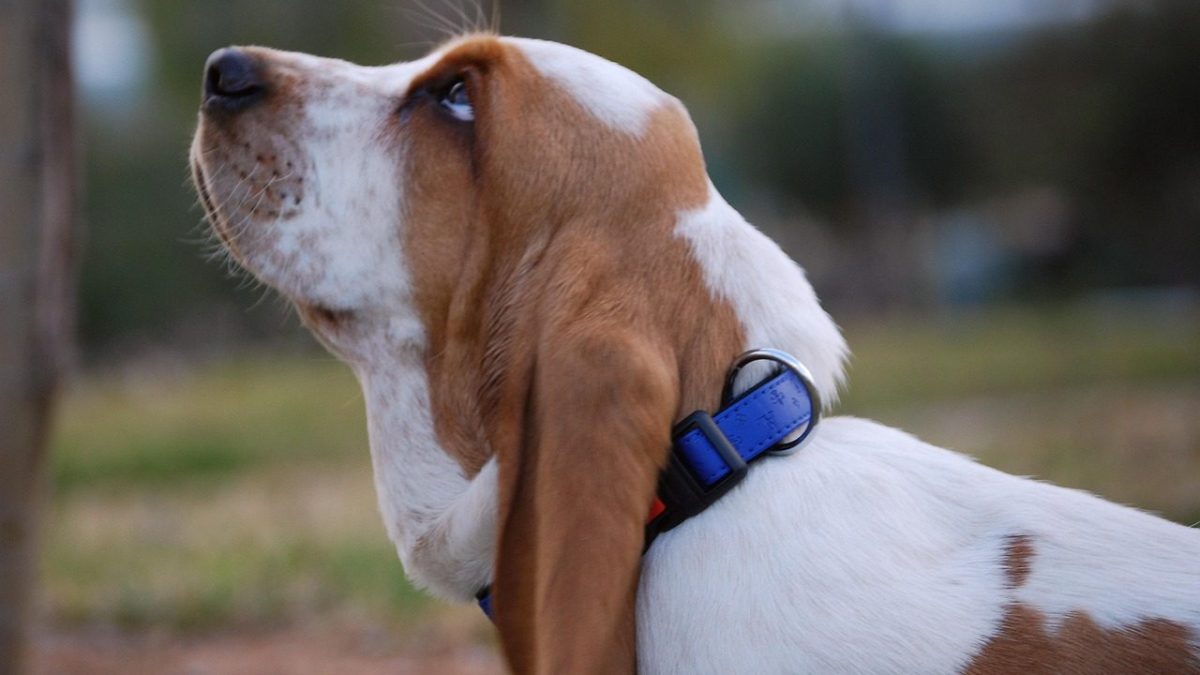
Let’s be honest about what you’re really asking. “Best dog for a busy professional” doesn’t mean a dog that likes being ignored. No dog thrives on neglect.
What you want is a breed whose needs are realistic to meet when you work long hours, travel sometimes, and can’t come home every four hours to referee a bored puppy. That’s the frame we’re using. These are breeds that tend to tolerate a predictable, structured absence better than most — dogs that can settle when you’re gone if you’ve done the work of exercising and enriching them before you leave.
“Best” here is shorthand for “likely to thrive given these specific constraints.” No breed is universally best, and a great match on paper can still be wrong for your particular life. One caution before you scroll: every dog on this list still needs a plan. Not a single one is a “leave it home for 10 hours and hope” breed.
If your honest schedule involves regular 10-hour absences with no dog walker, no daycare, and no backup, the kindest answer might be a cat, an older rescue dog whose temperament is already known, or waiting until your life changes. We say that with respect, not judgment.
What ‘busy professionals’ actually means for breed selection
“Busy professional” covers a lot of ground, so pin down which version you are. Are you gone 8–9 hours on a fairly fixed schedule, or is it unpredictable 12-hour days plus travel? Do you have a fenced yard, or a fourth-floor walkup? Can you afford a midday dog walker or daycare two or three days a week, or is the budget tight?
Those details matter more than the breed name. A moderate-energy dog with a reliable midday walk can be a fantastic fit. The same dog with zero midday relief and an owner who’s too wiped to walk at night will develop problems — chewing, barking, anxiety, weight gain.
The traits that actually predict success here: moderate (not low, not high) exercise needs that you can meet in focused bursts morning and evening; the emotional stability to settle alone rather than panic; low-to-moderate grooming so care doesn’t eat your limited free time; and a temperament that doesn’t require constant social stimulation to stay balanced. Note what’s missing from that list: “low energy” isn’t the goal. A calm-but-under-exercised dog is often a miserable dog.
What we looked for
Four criteria, and each one comes with a trade-off.
1. Tolerance for structured alone time. We favored breeds that most owners report can settle for a standard workday when properly exercised. Trade-off: none of these are truly independent — they still want your company, and long-term isolation harms all of them.
2. Concentrated exercise needs. We looked for dogs whose needs can realistically be met with a solid morning walk and an evening session, rather than dogs bred for all-day work. Trade-off: skip those sessions and even a “moderate” dog becomes a handful.
3. Manageable grooming. Busy people don’t want a daily brushing obligation or a coat that mats if you miss a week. Trade-off: several low-grooming breeds shed heavily, which matters if you’re allergy-aware or house-proud.
4. Adaptability and stable temperament. We leaned toward breeds that adjust to apartments, changing routines, and first-time owners. Trade-off: the most adaptable breeds are often the most people-focused, which can tip into separation distress if you overestimate how much alone time they’ll accept.
We weighted breed-club and registry consensus over individual anecdotes, and we deliberately left off some popular “easy dog” picks that we think get recommended for busy people despite real drawbacks. More on those in the methodology.
Our recommendations
1. Greyhound
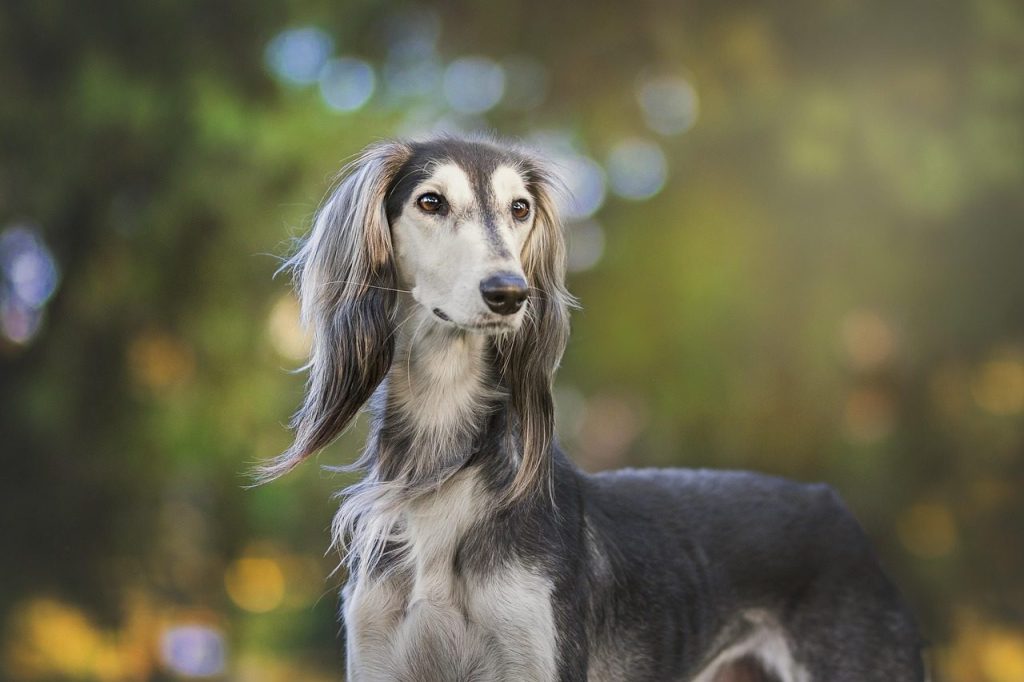
Why it fits: The retired-racer paradox: the fastest dog breed is one of the calmest housemates. Adult Greyhounds are famous sprint-and-sleep dogs — a couple of short, brisk walks and a chance to run in a safely enclosed space, and most are content to sleep 18+ hours a day. The short, single coat needs almost no grooming. Many are adopted as adults through breed rescue, so you can meet a dog whose temperament is already settled rather than gambling on a puppy’s development. For a professional who wants a large, gentle, low-maintenance companion, this breed is genuinely underrated.
Watch out for: That high prey drive is real — many Greyhounds can’t be trusted off-leash in unfenced areas and may not be safe with small pets like cats or rabbits (some are, some absolutely aren’t; verify with the rescue). They feel the cold and often need a coat in winter. Their thin skin tears more easily than other breeds’. And while they tolerate alone time well, they’re sensitive dogs who bond closely and shouldn’t be treated as furniture.
2. Whippet
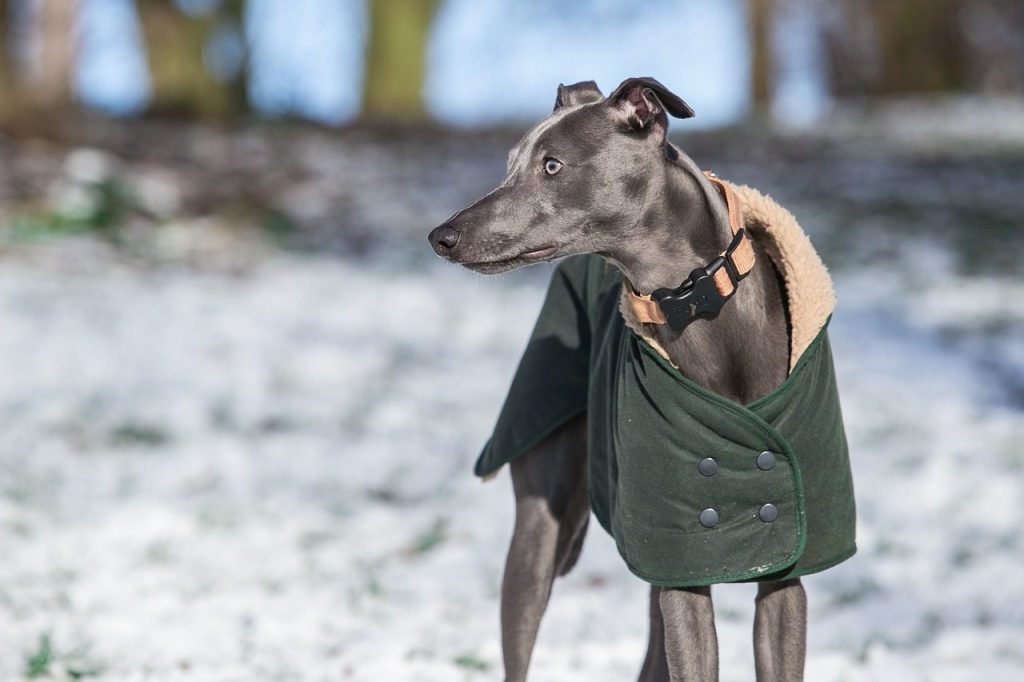
Why it fits: A smaller, apartment-friendly version of the Greyhound story. Whippets are affectionate, quiet, and clean, with a smooth coat that’s about as low-maintenance as dog coats get. They love a hard run but genuinely enjoy lounging the rest of the day, which suits a schedule of energetic mornings and evenings with calm hours in between. Most are undemanding indoors and bond deeply with their people.
Watch out for: Strong prey drive means secure fencing and leash discipline — a Whippet will chase a squirrel across a road without a thought. They’re velcro dogs who dislike being left too long and can be prone to separation anxiety if isolation is the norm rather than the exception. Like Greyhounds, they’re cold-sensitive and physically delicate. Not a rough-and-tumble backyard dog.
3. Basset Hound
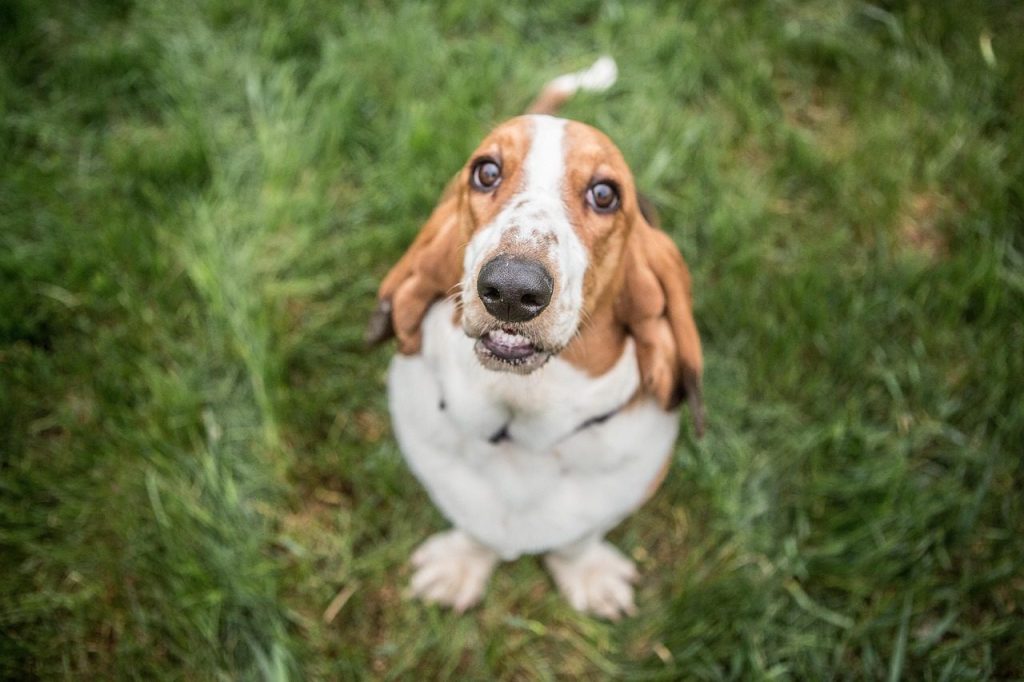
Why it fits: Low-key by design. Bassets are easygoing, tolerant, and content with moderate daily walking, which makes them workable for someone who can’t provide high-intensity exercise. They’re famously patient and steady in temperament, and they take a changing household in stride. For a professional who wants a mellow, characterful companion rather than an athlete, they fit the daily rhythm well.
Watch out for: “Low energy” is not “no energy” — Bassets gain weight easily, and an under-walked, overfed Basset is heading for joint and back problems this breed is already prone to. They’re scent hounds with a stubborn streak and selective hearing on walks; recall is a genuine training project. They can be vocal, with a deep bay that neighbors will hear. They drool, shed more than you’d expect, and their long ears and skin folds need routine cleaning. Ask your veterinarian about weight and back care for this breed.
4. Bichon Frise

Why it fits: A cheerful, adaptable small dog that does well in apartments and adjusts to different routines. Bichons are people-loving and generally get along with visitors, kids, and other pets. Their curly coat sheds very little, which is why the breed often appears on allergy-aware shortlists. Exercise needs are modest and easy to meet with walks and indoor play.
Watch out for: That “low-shedding” coat is high-maintenance in a different way — it mats without regular brushing and needs professional grooming roughly every 4–6 weeks, which is a recurring time and money cost. Bichons are affectionate and can struggle with long solitary stretches; separation distress is a known risk. “Hypoallergenic” is a marketing word, not a medical guarantee — spend real time around the breed before assuming it works for your allergies. Housetraining can take patience with this breed.
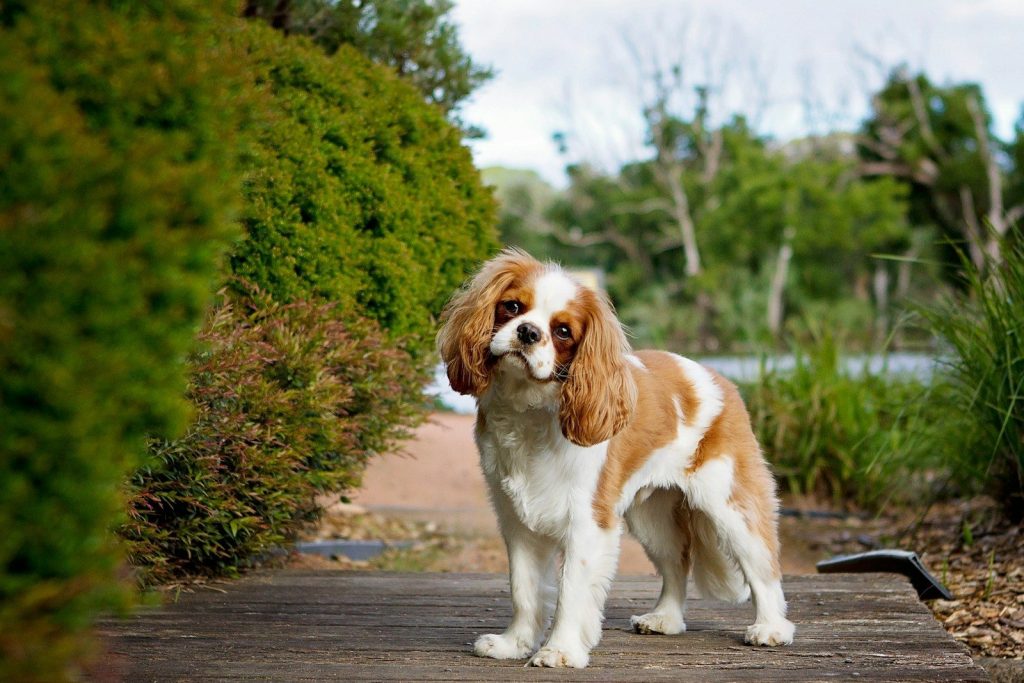
5. Cavalier King Charles Spaniel
Read our full Cavalier King Charles Spaniel profile →
Why it fits: One of the most adaptable companion breeds. Cavaliers are gentle, affectionate, and happy to match your pace — up for a walk, equally up for the couch. They’re small, apartment-suitable, and generally friendly with everyone. For a professional who wants a devoted lap companion and can build in company (a walker, working from home part of the week), this breed’s temperament is hard to beat.
Watch out for: This is the big one: Cavaliers are strongly attached to people and are among the breeds most prone to separation anxiety — they are a poor fit for long, regular solo days. Just as important, the breed has a well-documented higher incidence of serious heart disease (mitral valve disease) and a neurological condition affecting the skull and spine. Research the breed’s health honestly and talk to a veterinarian about what monitoring looks like. Their coat needs regular brushing to avoid mats. A wonderful dog — but only if you can give it real company.
6. Standard Poodle
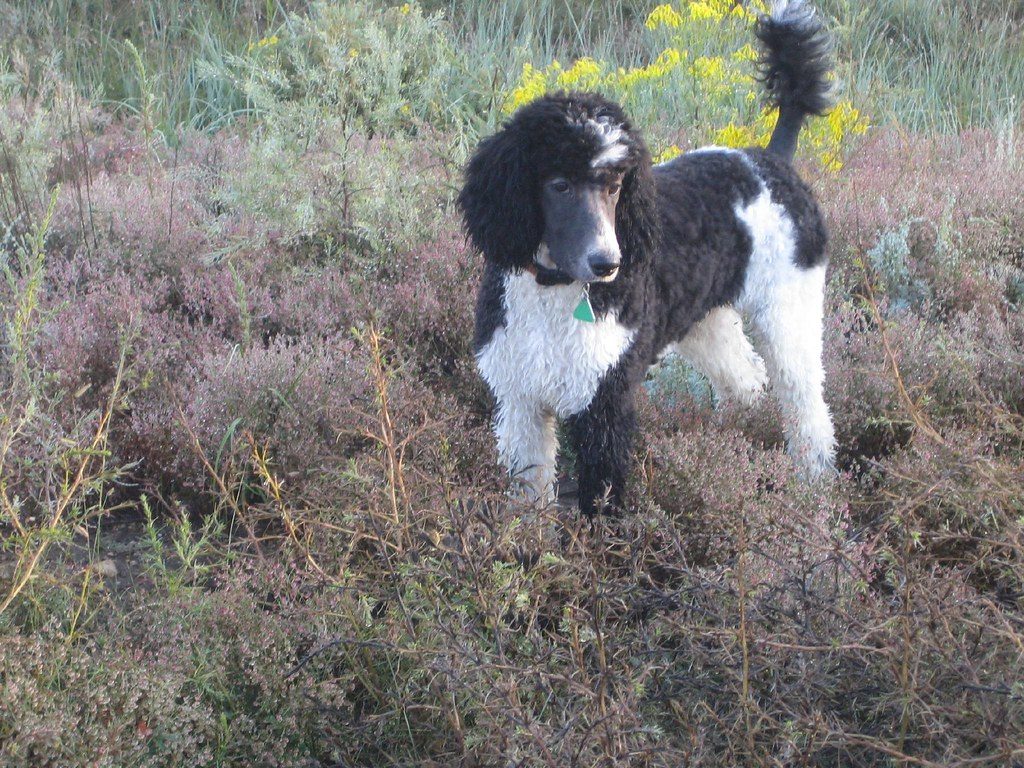
Why it fits: Highly intelligent, highly trainable, and more emotionally steady than the breed’s fussy reputation suggests. Standard Poodles learn routines fast, which helps them settle into a working household, and their low-shedding coat makes them a common choice for allergy-aware homes. They’re athletic but their needs can be met with structured exercise plus mental work — and a smart dog that gets a training “job” tends to handle downtime better.
Watch out for: Two real costs: grooming and mental stimulation. That coat requires professional grooming every 4–8 weeks and regular brushing between; neglect it and it mats badly. And a bored, under-stimulated Poodle gets inventive in ways you won’t enjoy — this is a dog that needs its brain worked, not just its legs. First-time owners can absolutely succeed with one, but plan for daily engagement, not just a walk. Again, “hypoallergenic” isn’t a guarantee — test your own response.
7. Adult mixed-breed from a shelter (temperament-tested)

Why it fits: Not a breed, but the single best move many busy professionals overlook. An adult dog whose personality is already known removes the biggest variable — you’re not gambling on how a puppy will turn out or committing to the intense puppy phase during your busiest years. Shelters and rescues often know which dogs are calm, house-trained, tolerant of alone time, and good with cats or kids. You can select for the exact temperament your schedule needs.
Watch out for: History is sometimes unknown, and a dog can behave differently at home than in a shelter — budget an adjustment period of weeks, not days. Some rescue dogs have anxiety or specific triggers that take patience and sometimes professional training to work through. Ask direct questions about how the dog handles being left alone and request any temperament-test notes. The upside is you get to choose an individual, not just a breed average.
How we made these picks
We built this list around one honest question: which dogs are most likely to do well when their owner is regularly away for a standard workday but committed to real exercise and company the rest of the time? We prioritized breed-standard temperament and care descriptions from breed parent clubs and the AKC (akc.org), plus general health-incidence patterns documented by breed clubs and veterinary sources, over one-off owner anecdotes. Our criteria: tolerance for structured alone time, exercise needs that can be met in concentrated morning/evening sessions, manageable grooming relative to a limited free-time budget, and a stable, adaptable temperament.
We deliberately named the trade-offs — including grooming costs on the low-shedding breeds and separation-anxiety risk on the most affectionate ones — because a reader who sees only the upsides will choose badly. What we left off, and why: We excluded several breeds that show up on other ‘busy professional’ lists. High-drive working and herding breeds (Border Collies, Australian Shepherds, most working-line retrievers) are frequently mis-recommended — they need far more daily physical and mental work than a long-hours schedule realistically allows, and they’re the dogs most likely to develop destructive or anxious behavior when under-exercised.
We also held back on brachycephalic breeds sometimes pitched as ‘low-energy apartment dogs’ (like the French Bulldog and Pug) because their well-documented breathing and heat-regulation issues are a health conversation we didn’t want to bury inside a lifestyle-matching list; they can suit the right home, but the trade-offs deserve their own honest treatment. We do not recommend specific breeders or kennels — for a puppy, start with the breed’s parent club and the AKC Breeder of Merit list, and consider breed-specific rescue for an adult dog.