

“Best breed for apartment living” is a search term, not a real category. What you’re actually asking is: which breeds are likely to stay content in a smaller space, with shared walls, without a yard door they can let themselves out of? That’s a fairer question, and it has better answers.
Here’s the thing most lists skip: apartment fit has almost nothing to do with a dog’s size. Some of the calmest apartment dogs are big. Some of the worst are tiny and loud.
What matters is energy level, how much a breed vocalizes, how it handles being alone, and whether it can burn off steam through walks and mental work instead of a fenced acre. These are seven breeds we’d genuinely suggest to a friend in an apartment — not the “top dogs of all time.” For each one we’ve listed what makes it work and what would make you regret it. Read the watch-outs as carefully as the reasons.
A dog that’s wrong for your shared-wall, no-yard reality will make both of you miserable, and that’s not the dog’s fault.
What ‘apartment living’ actually means for breed selection
Apartments add three constraints a house with a yard doesn’t. First, noise travels. A breed that barks at every hallway footstep or howls when left alone can genuinely threaten your lease. Second, there’s no quick backyard release valve — every bathroom break and every bit of exercise is on you, on a leash, rain or shine. Third, space is tight, so a dog that paces, redecorates when bored, or can’t settle indoors becomes a real daily problem.
What apartments do NOT require: a small dog. A mellow adult Greyhound naps more than a Jack Russell puppy ever will. Size affects logistics — elevators, stairs, how much dog is on your couch — but temperament and energy decide whether the arrangement is livable. Judge breeds on how much stimulation they need and how they behave when they’re not getting attention, not on pounds.
What we looked for
Four traits, weighted roughly in this order. (1) Ability to settle indoors — breeds that are calm and low-fuss between activity bursts, not ones that need constant motion. (2) Moderate exercise needs that can realistically be met with leash walks, play, and mental enrichment rather than a fenced yard or a job. (3) Lower baseline vocalization, or at least the trainability to keep barking manageable — shared walls make this non-negotiable. (4) Tolerance for being alone for normal work hours without spiraling into destruction or distress.
The honest trade-off: several breeds here are calm partly because they’re companion breeds bred to stick close to people. That’s exactly why they’re prone to separation anxiety if you’re gone 10 hours a day. Others are low-energy but heavy shedders or have breathing limits in heat. There is no free lunch. Every pick below is a set of compromises — we’ve named them so you can decide which ones you can live with.
Our recommendations
1. Cavalier King Charles Spaniel
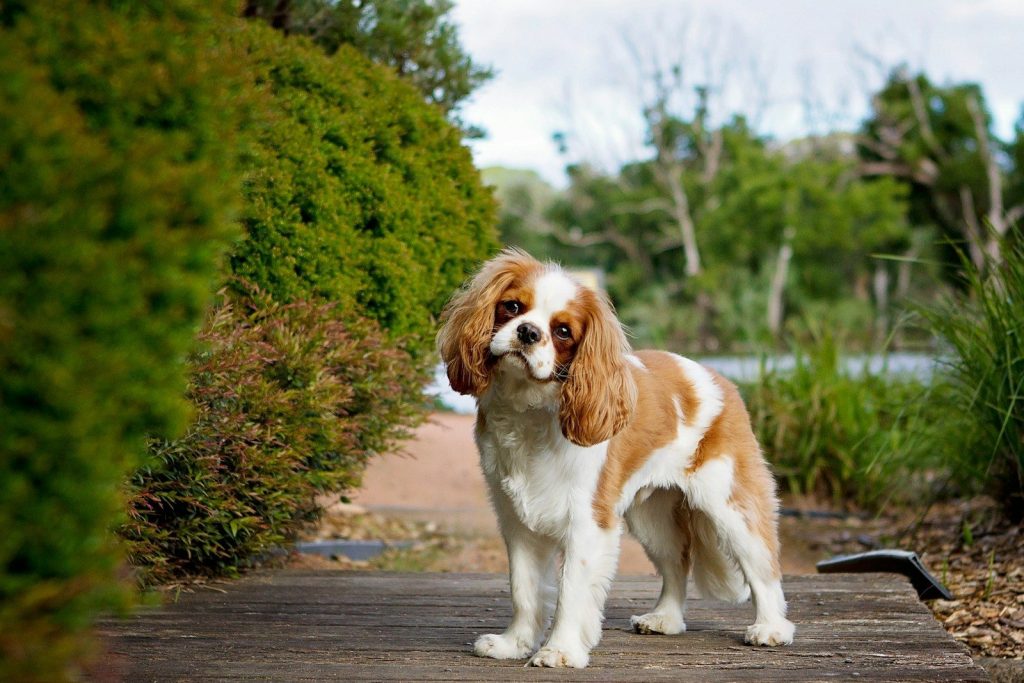
Read our full Cavalier King Charles Spaniel profile →
Why it fits: One of the easiest companion breeds to live with in tight quarters. Cavaliers are typically affectionate, adaptable, and happy to match your pace — a couple of good walks and lap time usually satisfies them. They’re generally quiet compared to many toy breeds and tend to be gentle with neighbors, kids, and other pets. First-time-owner friendly on temperament.
Watch out for: They bond hard and are prone to separation anxiety — this is not a dog for someone gone long days without a plan. Health is the bigger concern: the breed is known to have a high incidence of mitral valve disease and a neurological condition called syringomyelia. Ask the parent club (the American Cavalier King Charles Spaniel Club) about recommended cardiac and other health screenings, and talk to your vet about what to monitor. Moderate shedders — not a hypoallergenic choice.
2. Greyhound
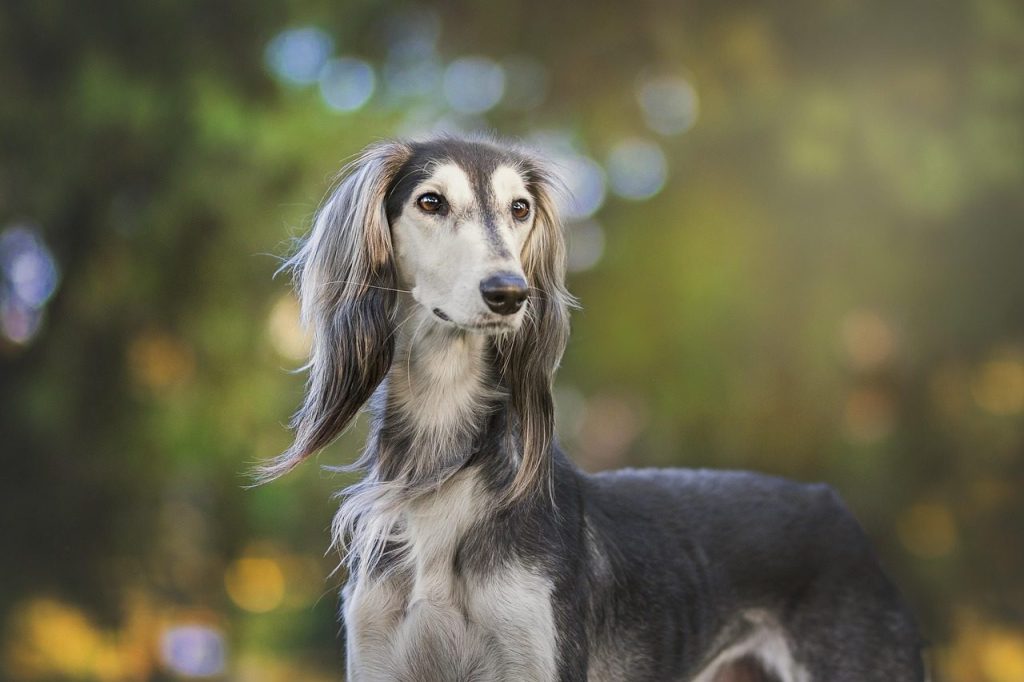
Why it fits: The classic surprise apartment dog. Despite the racing reputation, adult Greyhounds are famous couch potatoes — most are content with a couple of leash walks plus a few short sprints when possible. They’re typically quiet, clean, low-odor, and calm indoors. Retired racers are often available through breed-specific rescue and come with a known adult temperament, which removes a lot of guesswork.
Watch out for: They need secure leashing and a well-fitted martingale collar — sighthounds can bolt after fast-moving things and are notoriously hard to recall off-leash, so dog parks and open areas are risky. Thin coat and low body fat means they get cold easily; you’ll need a coat in winter. Many have a strong prey drive, which complicates life with cats or small pets. And they’re big dogs sharing a small floor — plan for where all of them will fit.
3. Bichon Frise

Why it fits: Small, cheerful, and adaptable, with moderate energy that a couple of walks and indoor play can cover. A major draw for apartment renters with allergy concerns: the Bichon’s coat sheds very little. No dog is truly hypoallergenic, but this breed is often better tolerated by allergy-aware households than heavy shedders. Generally sociable with people and other dogs.
Watch out for: That low-shed coat is high-maintenance — expect regular brushing and professional grooming every four to six weeks, which is a real ongoing cost. Bichons are companion dogs to the core and can develop separation anxiety and nuisance barking if left alone too long or under-stimulated. Housetraining can take patience with this breed. And ‘allergy-friendly’ varies person to person — spend time with one before committing if allergies are the deciding factor.
4. French Bulldog
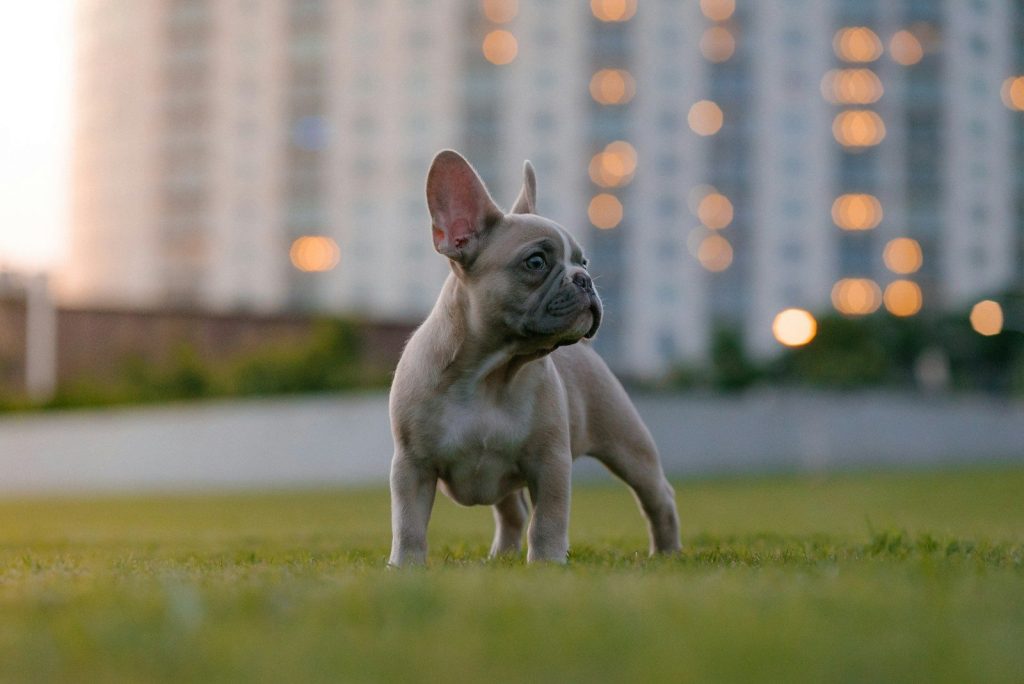
Read our full French Bulldog profile →
Why it fits: Low exercise needs, compact size, and typically quiet — Frenchies aren’t big barkers, which matters with shared walls. Most are content with short walks and play, and they’re generally easygoing and affectionate companions who settle well indoors. Good match for people who want a low-activity dog.
Watch out for: This is a brachycephalic (flat-faced) breed, and that comes with real limits: they’re known to have a higher incidence of breathing difficulty, and they overheat easily — hot weather and vigorous exercise can be genuinely dangerous. Many can’t swim and can’t fly in cargo. The breed also has a higher incidence of certain spinal and eye issues. Talk to your vet about heat management and warning signs. Not the low-maintenance dog the internet sometimes suggests, health-wise.
5. Shih Tzu

Read our full Shih Tzu profile →
Why it fits: Bred purely for companionship, Shih Tzu are typically happy indoors with modest exercise — a walk or two plus play usually does it. Small, adaptable, and generally friendly, they tend to fit small spaces and calmer households well. Often good with first-time owners on temperament.
Watch out for: The long coat needs daily brushing and regular grooming, or a shorter ‘puppy cut’ to keep it manageable — either way it’s ongoing work. As another flat-faced breed, they can be sensitive to heat and prone to some breathing and eye issues; ask your vet what to watch for. Housetraining can be slow. And like most companion breeds, they don’t love long stretches alone.
6. Whippet
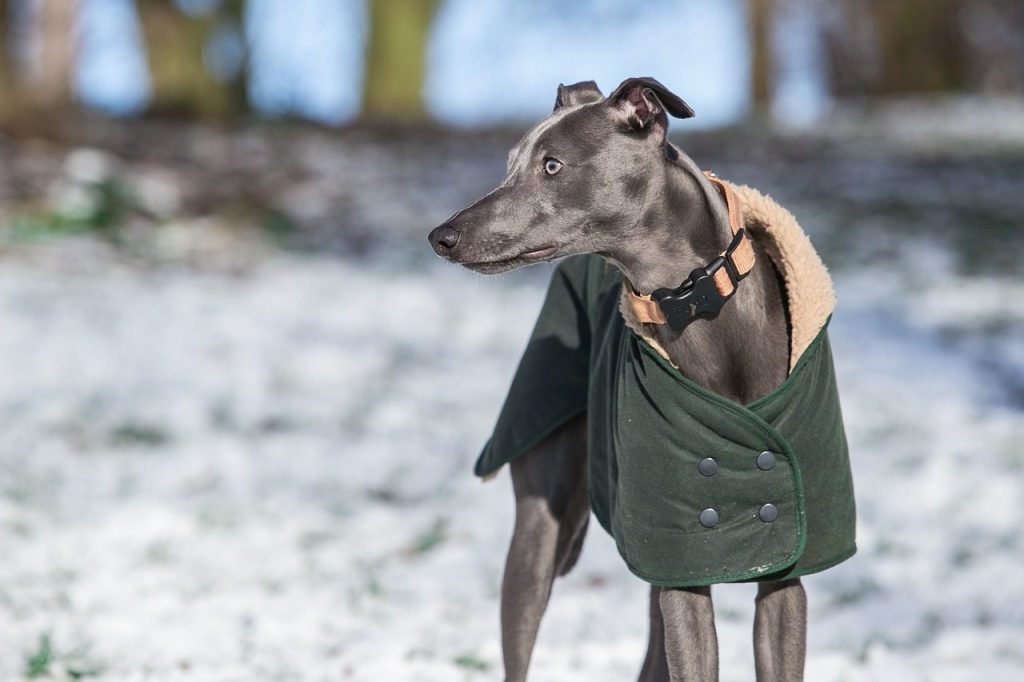
Why it fits: A smaller sighthound with a Greyhound’s off-switch. Whippets are typically calm and quiet indoors, content to curl up for hours between activity. Their exercise need is real but concentrated — a good sprint satisfies more than a long slow walk. Clean, low-odor, and gentle in the home. A strong pick for an active person who still wants a mellow apartment companion.
Watch out for: They need regular chances to run flat-out in a safe, enclosed space — pure leash walking may not be enough, so think about whether you can access a fenced field. Strong prey drive and unreliable recall mean off-leash freedom in open areas is risky, and small-pet households should be cautious. Thin-coated and cold-sensitive; they’ll need a coat in winter and a soft place to lie down.
7. Basenji
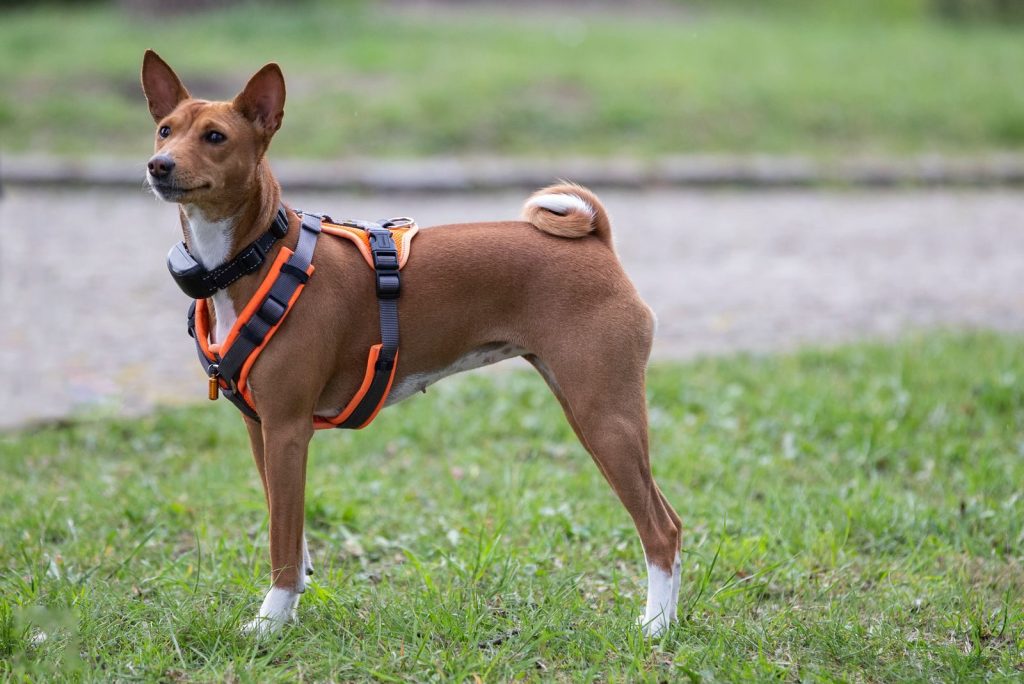
Why it fits: Included specifically for the noise-sensitive: Basenjis famously don’t bark in the usual way, which can be a real asset with close neighbors. They’re small, short-coated, notably clean (often described as cat-like in self-grooming), and low-odor. Athletic and compact, they take up little space.
Watch out for: This is the most demanding pick here and NOT a beginner dog. ‘Barkless’ doesn’t mean silent — they make a distinctive yodel and can be vocal in their own way. Basenjis are independent, high-energy, escape artists with intense prey drive, and they need serious daily exercise plus mental work or they’ll invent destructive projects. Training takes experience and patience. We’d only suggest one to an active, dog-savvy owner who specifically wants the quiet trade-off and is ready for the rest.
How we made these picks
We built this list around apartment-specific constraints — settling indoors, manageable vocalization, exercise needs meetable without a yard, and tolerance for alone time — rather than popularity or ‘cutest small dog’ lists. Breed tendencies were cross-referenced against breed standards and temperament descriptions from the American Kennel Club (akc.org) and the relevant AKC parent clubs, plus general veterinary consensus on known breed health considerations. These are tendencies, not guarantees: individual dogs vary widely based on genetics, upbringing, and training.
We deliberately excluded several breeds that show up on other apartment lists. Small terriers (like Jack Russells and many Yorkshire Terriers) are often recommended by size alone, but many are high-energy, high-drive, and vocal — a poor shared-wall fit for the average owner. We also left off breeds sometimes labeled ‘low-energy’ whose real costs are hidden, and we avoided recommending any breed as a safe pick for people who are gone long hours, since most companion breeds here are prone to separation issues.