
Overview
The Siamese is one of the oldest and most recognizable cat breeds in the world, and also one of the most misunderstood. People see the sleek body, blue eyes, and color-pointed coat and expect an elegant, aloof cat. What they get is a loud, opinionated, affectionate extrovert who follows them from room to room and comments on everything.
This is a cat built for connection. Siamese are unusually people-oriented — they want to sit on your lap, sleep in your bed, help you type, and tell you at length about their day. Their voice is famous: a low, insistent, almost human-sounding call that they use freely. Some owners find it endearing. Others find it genuinely difficult to live with.
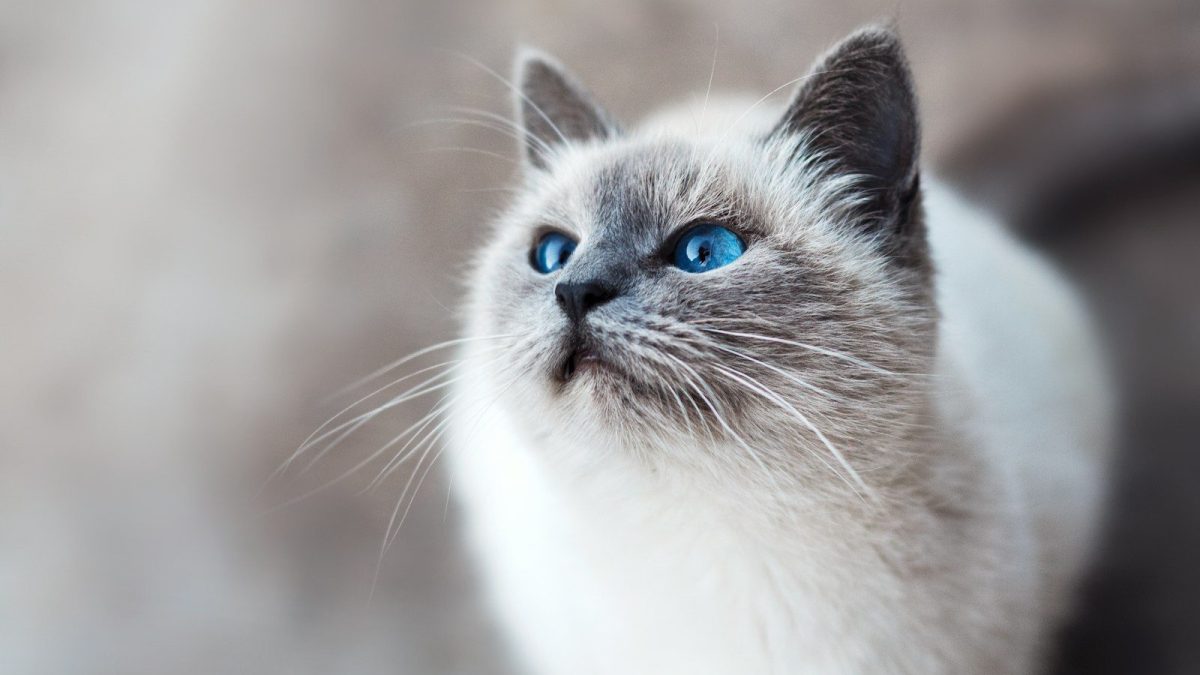
Physically, the modern show Siamese has a long, tubular body, wedge-shaped head, large ears, and a fine, short coat that lies close to the skin. The ‘points’ — the darker coloring on the face, ears, paws, and tail — come in seal, chocolate, blue, and lilac being the classic recognized colors. They are lightweight cats with a lot of muscle and even more energy.
Breed Origin & History
The Siamese comes from Thailand, formerly known as Siam, where color-pointed cats appear in centuries-old manuscripts. They were prized cats, associated with temples and nobility, and were not casually given away — which is part of why their arrival in the West was treated as a genuine event.
The breed reached Britain in the late 1800s. A frequently cited milestone is a pair of Siamese given to a British diplomat and shown in London in 1885, which sparked enormous interest. The breed arrived in the United States around the same period, and the Cat Fanciers’ Association (CFA) recognizes it as one of its foundation breeds.
Over the twentieth century, breeders in the show world selected for an increasingly slender, angular look — the ‘modern’ or ‘show’ Siamese. Many people still prefer the rounder, sturdier build of the older type, sometimes called the ‘Traditional’ or ‘Applehead’ Siamese, though registries differ on how they classify it. The Siamese is also the genetic root of many other breeds, including the Oriental Shorthair, the Balinese (essentially a longhaired Siamese), and it contributed to the Himalayan and others. If you meet a chatty, athletic, people-obsessed cat of a related breed, there is usually Siamese in the story.
Temperament & Personality
The Siamese is intensely social, intensely vocal, and intensely smart — and those three traits define almost everything about living with one. This is not a cat that entertains itself quietly in the corner. It wants a job, and if you don’t give it one, it invents one, often involving your belongings.
Most Siamese bond very closely with their household, sometimes forming an especially strong attachment to one person. They greet you at the door, want to be picked up, and often sleep pressed against you. For someone who wants a genuinely interactive pet, this is the whole appeal.
The trade-off is real. The same cat that adores you will complain loudly when you leave, when dinner is late, or simply because it has an opinion. Siamese are prone to separation-related stress and can become destructive or depressed if left alone for long stretches. Their intelligence means boredom turns into problem behavior fast — opening cabinets, unrolling toilet paper, knocking things off shelves for a reaction.
They typically get along well with other pets, especially another active cat who can match their pace, and many enjoy the company of a second Siamese. They tend to do well with children who understand that a cat is not a toy. What you’re signing up for is a cat with a big personality and no volume control — endlessly rewarding for the right person, and genuinely too much for someone who pictured a calm, low-demand companion.
Is This Breed Right for You?
The Siamese suits people who want a cat that behaves a little like a small, chatty dog. If you work from home, live with family or a partner who’s around often, or already have another energetic pet for company, a Siamese can thrive. Retirees who want constant companionship often adore them. People who talk to their pets and want to be answered will love the running commentary.
They also suit owners willing to provide real mental stimulation: puzzle feeders, clicker training, fetch (yes, many Siamese fetch), and daily interactive play. If you enjoy teaching a cat tricks and having it actually learn them, this breed will not disappoint you.
They are a poor fit for several common situations. If you work long hours away from home and can’t provide a companion animal, a Siamese will likely become anxious and loud — this is arguably the breed’s single biggest mismatch. If you or a housemate is sensitive to noise, or you live somewhere with thin walls and strict landlords, the Siamese voice can genuinely become a problem. If you wanted an independent, self-sufficient cat who greets you occasionally and otherwise does its own thing, choose almost any other breed.
First-time cat owners can succeed with a Siamese, but only if they go in clear-eyed about the vocal, demanding personality — many people are surprised, and surprise turns into frustration. Apartments are fine, since these are indoor cats who don’t need outdoor space, but the noise factor matters more in shared buildings. In short: get a Siamese if you want a companion, not a decoration.
Care & Exercise Needs
Siamese are moderate-to-high energy cats who need daily engagement more than they need physical space. Plan on at least two structured play sessions a day, roughly 15–20 minutes each, using wand toys, chase toys, or fetch. A tired Siamese is a well-behaved Siamese.
Mental stimulation matters as much as exercise. Puzzle feeders, rotating toys, cat trees near windows, and short training sessions all help. Siamese are among the most trainable cats — many learn to come when called, walk on a harness, and perform tricks with clicker training and treats. Reward-based training works; harsh correction backfires and damages the bond.
Grooming is easy. The short, close coat needs little more than a weekly once-over with a soft brush or grooming glove to remove loose hair. They shed, but relatively lightly compared to double-coated breeds. Keep up with routine nail trims, ear checks, and dental care, since dental disease is common in cats generally.
Because they’re so social, the most important ‘care’ need is company. If you’re regularly away for long days, seriously consider a second compatible cat. Don’t rely on toys alone to substitute for interaction — for this breed, it won’t be enough. Feed a complete, life-stage-appropriate diet and monitor weight, since these are lean cats that shouldn’t be allowed to become overweight. Provide multiple perches and warm resting spots; their fine coat means they often seek out heat.
Health Considerations
The Siamese is generally a long-lived, hardy breed, but there are known predispositions worth understanding. This breed is known to have a higher incidence of certain conditions, including progressive retinal atrophy (an inherited eye disease that can cause vision loss), and some individuals are prone to dental disease and gingivitis. The breed has also been associated with a higher risk of certain respiratory issues and, in some lines, amyloidosis affecting the liver or kidneys.
Siamese and other Oriental-type cats are also reported to have a somewhat elevated incidence of certain cancers, including mediastinal lymphoma, and some are prone to asthma-like airway conditions. Their lean build and heat-seeking nature mean owners should watch weight and comfort rather than any single dramatic risk.
The pointed coat itself is temperature-sensitive — the dark points develop in cooler areas of the body — which is a normal breed trait, not a health problem, though the coat can darken with age or if a cat spends time somewhere cold.
Many of these conditions are uncommon and manageable, and plenty of Siamese live well into their teens with routine care. Because inherited conditions can vary widely between individuals and lines, and because early detection makes a real difference, discuss breed-specific screening, dental care, and any concerning symptoms with your veterinarian rather than trying to self-assess at home.
Recommended Gear Categories
For a Siamese, prioritize enrichment gear over anything else. Look for interactive wand and teaser toys for daily play, and a variety of puzzle feeders to slow eating and occupy that busy brain. A tall, sturdy cat tree or wall-mounted shelving gives them the vertical territory and window perches they crave.
Because many Siamese take well to leash walking, a properly fitted cat harness (one designed to prevent escape, with a snug figure-eight or vest style) can be a great outlet. A clicker and a supply of small training treats support their trainability. Given their heat-seeking tendency, consider a soft, warm bed or a covered hideaway in a sunny spot. For dental health, look into cat-appropriate dental care tools and vet-recommended options. If you’ll be away often, an automatic feeder and, ideally, a compatible feline companion do more for this breed than any single product.
Similar Breeds to Consider
If you love the Siamese look and personality but want a longer coat, the Balinese is essentially a longhaired Siamese — same talkative, affectionate temperament with a silkier coat and plumed tail, and only slightly more grooming. The Oriental Shorthair is another close cousin: same body type and personality, but available in a huge range of colors and patterns instead of just points, which appeals to people who want the Siamese character without the classic coloring.
If you want a cat that’s just as people-oriented and playful but a bit less demanding vocally, consider the Tonkinese, a Siamese-Burmese cross. Tonks are affectionate and interactive but often described as slightly more balanced and less piercingly loud than the Siamese.
And if the appeal is intelligence and dog-like attachment but you’d prefer a larger, more laid-back cat, the Burmese offers a similar devotion in a rounder, sturdier package, with a quieter voice. All of these breeds share the Siamese’s social nature, so none of them is a good pick for someone who wants an independent, low-interaction cat — for that, look toward breeds like the British Shorthair or Ragdoll instead.