
Overview
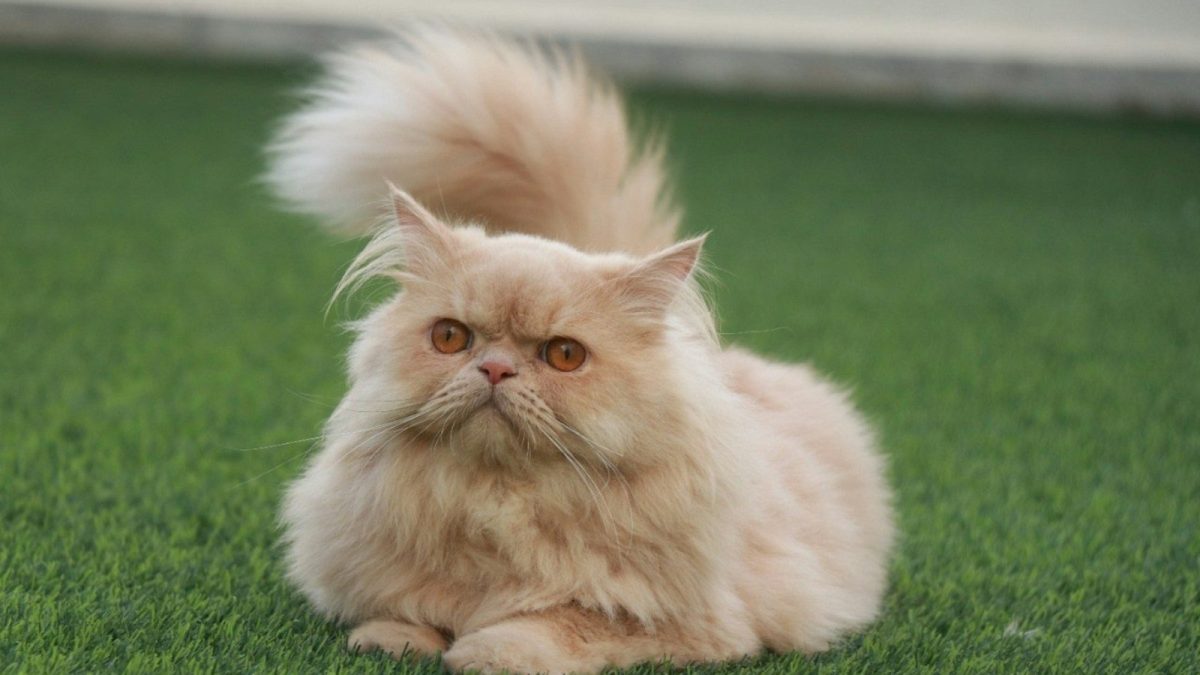
The Persian is one of the most recognizable cats in the world — that flat face, the wide-set eyes, and a coat that looks like it belongs on a pillow. But the look is only half the story. Persians are, by temperament, one of the calmest cat breeds you can bring home. They like routine, quiet rooms, and a person who slows down.
This is a lap cat in the truest sense. Most Persians would rather watch the world from a sunny cushion than tear around the house at midnight. They’re affectionate but not demanding, sociable but not clingy. If you picture a cat who greets you with a soft chirp, settles on your knee, and stays there for an hour, that’s the Persian.
The catch is the coat. That long, dense fur doesn’t take care of itself. Neither does the flat face, which comes with real health considerations. A Persian is a commitment to daily grooming and attentive care — reward and responsibility in equal measure. Go in knowing that, and this can be one of the most rewarding cats you’ll ever share a home with.
Breed Origin & History
The Persian is an old breed with a genuinely murky origin story. Longhaired cats were brought to Europe from the region of Persia (modern Iran) and surrounding areas as far back as the 1600s, and they became prized among European aristocracy for their unusual coats. By the late 1800s, the Persian was a fixture at early cat shows — it was among the breeds featured at the very first organized cat show in London in 1871.
American breeders took an interest early, and the Persian became a foundation breed for the Cat Fanciers’ Association (CFA), which registers it today. Over the 20th century, selective breeding pushed the Persian’s features toward the round head and short muzzle we see now. A more extreme version — often called the “peke-faced” or ultra-typed Persian — emerged from show lines, while the older, longer-nosed style is sometimes called the “doll-face” or traditional Persian.
That split matters. The flatter the face, the more likely certain breathing, tear-drainage, and dental issues become. Registries recognize the Persian under one breed standard, but the practical range of head shapes is wide. The CFA and TICA both maintain detailed standards, and the FCI recognizes the Persian in Europe. If you’re researching this breed, it’s worth understanding which type you’re looking at, because the day-to-day care can differ.
Temperament & Personality
Persians are quiet, gentle, and steady. They’re not the cat leaping onto the top of the bookshelf or ambushing your ankles. Most Persians move through the house at a deliberate pace and choose comfort over adventure nearly every time. They tend to bond warmly with their people and enjoy being near you without needing constant attention.
They’re also famously undemanding vocally. A Persian’s voice is soft and used sparingly — you’ll get a quiet meow at dinnertime, not a running commentary. For people who want a peaceful home, this is a real selling point.
Here’s the trade-off. The same calm that makes Persians so restful also means they’re not especially playful or interactive as adults. If you wanted a cat who fetches, learns tricks, and stays engaged for long play sessions, a Persian will likely underwhelm you. They play in short bursts, then return to their cushion.
They also prefer predictability. Loud, chaotic households — think several young kids, frequent parties, a revolving door of guests — can stress a Persian. They do best when life is fairly settled. And because they’re so willing to sit still and tolerate handling, they can quietly put up with grooming or health problems without complaint, which means you have to watch them closely rather than wait for them to tell you something’s wrong.
Is This Breed Right for You?
A Persian suits you if you want a calm, affectionate companion and you genuinely enjoy — or at least won’t resent — daily grooming. The ideal owner is someone with a settled home: adults, working-from-home folks, retirees, or quiet households where the cat can nap undisturbed and have a lap available in the evening. Apartments are fine; Persians don’t need space to run.
This breed also fits people who are comfortable with proactive health care. Because of the flat face, many Persians need regular eye and face cleaning, watch-and-wait dental attention, and a vet who understands brachycephalic (flat-faced) cats. If you like a pet you can be attentive to, that’s a good match.
A Persian is the wrong cat if you want low-maintenance. The grooming is non-negotiable — skip it for a week and you’ll be dealing with painful mats that may need a professional or a shave-down. If you travel constantly, work long hours away from home, or simply won’t commit ten minutes a day to a comb, choose a shorthaired breed instead.
It’s also a poor fit for homes with rowdy young children or high-energy dogs who won’t leave a cat alone. Persians tolerate a lot, which is exactly the problem — they’ll endure stress rather than escape it. Older, gentle kids who understand “leave the cat alone” are fine. Toddlers who grab are not.
And if you dreamed of an interactive, trainable, athletic cat, look elsewhere. Persians are companions for people who want presence over performance. Match your expectations to that reality and you’ll be happy. Fight it and you’ll both be frustrated.
Care & Exercise Needs
Grooming is the center of Persian care. Plan on 5–10 minutes of combing every single day with a wide-tooth metal comb, working through the belly, armpits, and behind the ears where mats form fastest. Miss a few days and you’ll feel the tangles. A full bath every few weeks helps keep the coat clean, especially around the rear, and most owners start bath training early so it becomes routine.
The face needs attention too. Many Persians have excess tear staining and drainage because of their short muzzle. Gently wiping the eye area daily with a soft, damp cloth keeps things clean and reduces staining. Ask your vet to show you the right technique.
Energy needs are low. Two or three short play sessions a day — 5 to 10 minutes each with a wand toy or a ball — cover most Persians. They don’t need heavy exercise, but a little play keeps them from getting overweight, which matters for a breed prone to putting on pounds while lounging.
Mental stimulation is modest. Food puzzles, a window perch, and a scratching post are usually plenty. Persians aren’t demanding thinkers.
Training is limited by temperament rather than intelligence. They respond to gentle, reward-based handling and can learn to accept grooming, nail trims, and a carrier if you introduce these calmly and early. Litter box hygiene deserves care — long coats and litter don’t mix well, so many owners use a low-dust litter and keep boxes very clean. Keep them indoors; this is not a cat built for the outdoors.
Health Considerations
Persians are a brachycephalic (flat-faced) breed, and their signature look brings real health considerations. This breed is known to have a higher incidence of breathing difficulty, tear-duct and eye drainage problems, and dental crowding related to the short muzzle. The flatter the face, the greater these tendencies generally are.
Persians are also known to have a higher incidence of polycystic kidney disease (PKD), an inherited condition affecting the kidneys. Responsible breeders test their lines, and a genetic test for the most common form exists. This breed additionally has an elevated tendency toward certain eye conditions, including progressive retinal atrophy in some lines, and hypertrophic cardiomyopathy (HCM), a heart condition seen across many cat breeds.
The coat itself is a health matter. Neglected grooming leads to mats that pull on the skin and can hide skin problems underneath. Because Persians are so tolerant, they often don’t show discomfort until an issue is advanced, so regular hands-on checks are important.
Weight is worth watching. A low-energy, food-motivated cat can gain quietly, and extra weight worsens joint and breathing stress.
None of this means every Persian will face these problems — many live full, comfortable lives into their teens. But the risks are real enough that this breed benefits from an attentive owner and a vet who knows flat-faced cats. Please consult your veterinarian about screening, diet, and any specific health concerns for your individual cat.
Recommended Gear Categories
For a Persian, grooming gear comes first. Look for a wide-tooth stainless steel comb and a finer-toothed comb for finishing — these matter far more than any brush for a dense longhaired coat. A dematting tool is useful for gentle work on small tangles before they become mats.
For bathing, choose a cat-formulated shampoo and a high-absorbency towel; a quiet, low-heat pet dryer helps because a wet Persian coat takes a long time to dry on its own. For the face, soft cloths or unscented pet-safe wipes for daily eye cleaning are worth having on hand.
Inside the home, a low-dust, low-tracking litter suits long coats, and a large, open box makes cleanup easier. A short, sturdy cat tree or a couple of window perches gives them a place to lounge without demanding they jump high. Look for a padded, front-and-top-loading carrier for calm vet trips. Skip high-intensity exercise gear — this isn’t the cat for it — but a few wand toys and a food puzzle round things out nicely.
Similar Breeds to Consider
If you love the Persian’s mellow temperament but want less grooming, consider the Exotic Shorthair. It’s essentially a Persian in a short, plush coat — same round face, same calm personality, a fraction of the combing. Many people who admire the Persian look choose the Exotic specifically to skip the daily coat maintenance.
If you want a longhaired cat that’s a little more sociable and playful, look at the Ragdoll or the Maine Coon. Ragdolls are large, docile, and famously relaxed, but tend to be more interactive and follow their people around the house. Maine Coons are bigger and more energetic, with a friendly, dog-like streak — a better fit if you want a longhaired cat who engages more and has a longer, less flat muzzle, which sidesteps some brachycephalic concerns.
And if the flat-faced health considerations give you pause but you still want a plush, gentle, longhaired lap cat, the Birman is worth a look. It has silky fur that mats less than a Persian’s, a moderate face structure, and a sweet, quiet temperament. Each of these trades away something the Persian offers, so the right pick depends on which Persian trait you’re chasing — the look, the calm, or the low activity.