
Overview
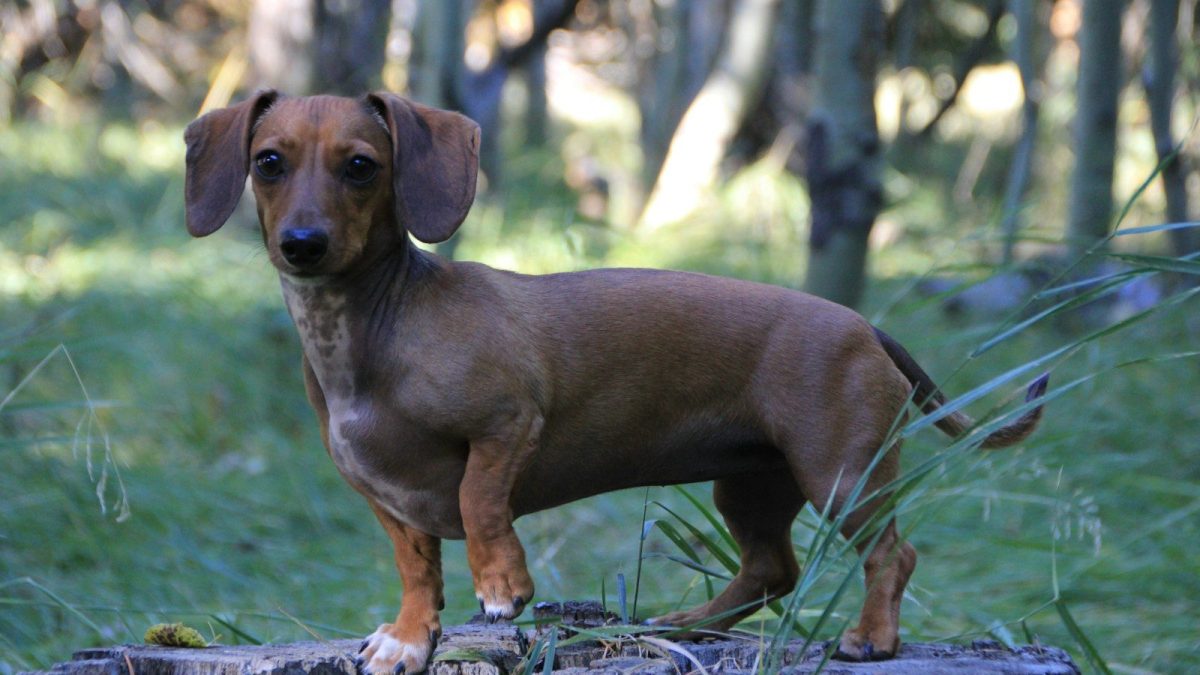
The Dachshund is a small hound with the attitude of a much larger dog. That long body and those short legs weren’t a design accident — they were built to send this dog headfirst into a badger den and hold its ground. Everything about the breed’s personality traces back to that job: brave, tenacious, independent, and convinced it knows best.
Dachshunds come in two sizes (standard and miniature) and three coat types (smooth, longhaired, and wirehaired), which means there’s more variety within the breed than most people expect. A wirehaired mini and a smooth standard can feel like fairly different dogs in grooming needs and even temperament, though all share the core Doxie stubbornness and devotion.
They’re one of the most popular breeds in the U.S. for good reason — they’re portable, entertaining, and bond hard with their people. But they are hounds, not lapdogs who happen to be small. If you go in expecting a compliant, easy-going companion, the reality can be a surprise. If you want a dog with opinions, this is your breed.
Breed Origin & History
The Dachshund was developed in Germany several centuries ago — the name literally means ‘badger dog’ (Dachs = badger, Hund = dog). Breeders wanted a dog low enough to enter a badger’s burrow, long enough to work in tight tunnels, and brave enough to face down a cornered animal that fights back. The loud, carrying bark was a feature, not a bug: it let hunters locate a dog working underground.
Over time, the breed split by size and coat. Standards hunted badger and wild boar; the smaller miniatures were bred to go after rabbits and other small game. The three coats developed partly for different terrain — the wirehaired coat, for instance, gave protection in dense brush.
The breed was recognized by the American Kennel Club in 1885, making it one of the older AKC-registered breeds. It’s classified in the Hound Group. It’s worth noting a size distinction between registries: the AKC recognizes standard (typically 16–32 lbs) and miniature (11 lbs and under) varieties, while the FCI (fci.be) uses a more detailed system that includes a smaller ‘Kaninchen’ (rabbit) size measured by chest circumference rather than weight. For U.S. readers, the AKC framework is the practical reference.
Temperament & Personality
Dachshunds are bold, curious, and funny — the kind of dog that makes you laugh daily and pull your hair out weekly. They form intense attachments to their people and often pick a favorite. That devotion is one of the breed’s best qualities and one of its complications: many Doxies are prone to separation-related distress and can be vocal when left alone.
They are hounds bred to work independently underground, which means they don’t defer to you the way a Border Collie might. A Dachshund weighs your request against its own judgment. This shows up in training as a stubborn streak — not stupidity, but self-direction. They learn quickly; they just may not comply.
They tend to be alert and territorial, which makes them excellent little watchdogs and enthusiastic barkers. Digging is instinctive. Chasing small animals is instinctive. Many are wary of strangers and can be scrappy with dogs they don’t know, especially larger ones — a Dachshund has no idea it’s small.
With their family they’re affectionate, playful, and often clownish. With kids they can be great, but their long backs make rough handling risky, and some are impatient with unpredictable toddlers. The trade-off is clear: the confidence and personality that make Dachshunds so beloved are the same traits that make them opinionated, noisy, and hard to boss around.
Is This Breed Right for You?
A Dachshund suits someone who wants a big personality in a small package and has a sense of humor about stubbornness. If you enjoy a dog with opinions, who’ll follow you room to room, snuggle under a blanket, and alert you to every delivery driver in the county — you’ll love this breed. They fit apartments and houses alike, provided you can handle the barking (neighbors matter).
They’re a good match for patient, consistent owners who’ll commit to positive-reinforcement training and won’t get frustrated when the dog decides your recall is optional. They’re excellent for people who want a portable companion and a devoted shadow.
They are NOT a good fit for several kinds of homes. If you need a dog who’s reliably obedient off-leash, this breed will disappoint you — the prey drive and independence are strong. If you’re a first-time owner hoping for an easy, biddable dog, the stubbornness and famously slow house-training can be a rough introduction. If you live somewhere with strict noise rules or thin walls and can’t tolerate a vocal dog, reconsider. If you have very young, boisterous children, or a household where the dog will be picked up and handled carelessly, the breed’s spinal fragility is a real concern. And if you’re gone for long, unpredictable hours, a dog this attached to its people is likely to struggle.
One more honest point: Dachshunds have a genuinely high incidence of back problems, and care involves lifelong vigilance about jumping and handling. If that responsibility feels like too much, choose a sturdier breed. If you’re willing to build good habits around it, they’re a delight for 12 to 16 years.
Care & Exercise Needs
Exercise: Dachshunds need moderate daily activity — roughly 30–60 minutes split across walks and play. They’re surprisingly athletic and love scent games, which tap into their hunting instincts. But protect the back: discourage jumping on and off furniture, avoid stairs when possible, and use ramps. Keep them lean, because extra weight strains the spine.
Grooming depends on coat. Smooth coats are wash-and-go with a weekly brush. Longhaired coats need brushing several times a week to prevent mats, especially behind the ears and on the legs. Wirehaired coats need regular brushing and periodic hand-stripping or trimming a few times a year to keep the texture right. All three shed moderately. Check ears weekly (those floppy ears trap moisture), keep nails trimmed, and brush teeth regularly — small breeds are prone to dental issues.
Mental stimulation matters as much as physical exercise for this smart, bored-prone breed. Puzzle feeders, snuffle mats, hide-the-treat games, and short training sessions channel that busy hound brain and reduce nuisance barking and digging.
Training approach: keep it short, positive, and rewarding. Dachshunds shut down under harsh correction and dig in when pushed. Food motivation is strong — use it. House-training is often the hardest part; many owners report it takes months and benefits from a strict schedule and crate routine. Start socialization early and generously to soften the breed’s natural wariness of strangers and other dogs.
Health Considerations
Dachshunds are generally long-lived but carry some significant breed-specific risks tied to their build. Most notably, the breed is known to have a much higher incidence of Intervertebral Disc Disease (IVDD) — a spinal condition linked to their long backs and short legs. IVDD can range from mild pain to paralysis, and it’s the single most important health consideration for the breed. Keeping the dog lean, discouraging jumping, and using ramps are the standard preventive habits owners adopt.
The breed is also known to have a higher incidence of certain eye conditions (including progressive retinal atrophy in some lines), patellar luxation, and dental disease common to small breeds. Wirehaired lines can carry a bleeding disorder, von Willebrand’s disease, in some pedigrees. Obesity is a recurring problem and compounds nearly every other risk, especially the back.
Responsible breeders health-test for eye and spinal-related concerns; the breed parent club and the Orthopedic Foundation for Animals maintain testing guidance. Because IVDD can appear suddenly, owners should learn the early signs of back pain (reluctance to move, a hunched posture, crying when lifted) and act quickly.
This is general information, not veterinary advice. For screening recommendations, weight management, and any signs of illness or injury in your individual dog, consult your veterinarian.
Recommended Gear Categories
A few gear categories genuinely matter for this breed. First, a well-fitted harness rather than a neck collar for walks — it distributes pressure away from the neck and spine, which is worth prioritizing in a breed with back concerns. Look for one designed for long-bodied dogs.
Ramps or pet steps are close to essential: giving your Dachshund a way onto and off couches and beds without jumping reduces spinal stress over a lifetime. Choose a ramp with a gentle incline and a non-slip surface.
For mental work, invest in puzzle feeders and snuffle mats — this hunting breed thrives on nose work, and it burns mental energy that would otherwise go into barking and digging. A slow-feeder bowl also helps with weight control.
For the coat, match the tool to the type: a bristle brush or grooming mitt for smooth coats, a pin brush and comb for longhaired dogs, and a slicker plus stripping tools (or a groomer) for wirehaired coats. Finally, a supportive, well-cushioned bed and — for cold-weather regions — a warm coat, since short-coated Doxies feel the chill.
Similar Breeds to Consider
If you love the Dachshund’s personality but the back-health risk worries you, consider a sturdier small hound or terrier. The Beagle offers a similar cheerful, scent-driven, food-motivated temperament in a more robustly built package, though it’s larger, louder, and needs more exercise. Beagles share the independent streak, so they’re not dramatically easier to train, but their build is far more forgiving.
If the compact size and devoted, watchful nature appeal but you want something a bit more trainable, look at the Miniature Schnauzer. It’s alert, loyal, and spirited like a Doxie, tends to be easier to house-train, and its wiry coat sheds very little — appealing if shedding or allergies are a concern (though no dog is truly hypoallergenic).
For those drawn mainly to the small, affectionate companion aspect and less attached to the hunting temperament, a Cavalier King Charles Spaniel is friendlier with strangers, gentler with children, and much easier for a first-time owner — though it has its own serious health considerations and lacks the Doxie’s watchdog edge. And if you specifically want a bold, big-personality small dog with terrier grit, a Cairn Terrier delivers the spunk and digging instinct without the elongated spine.