
Overview
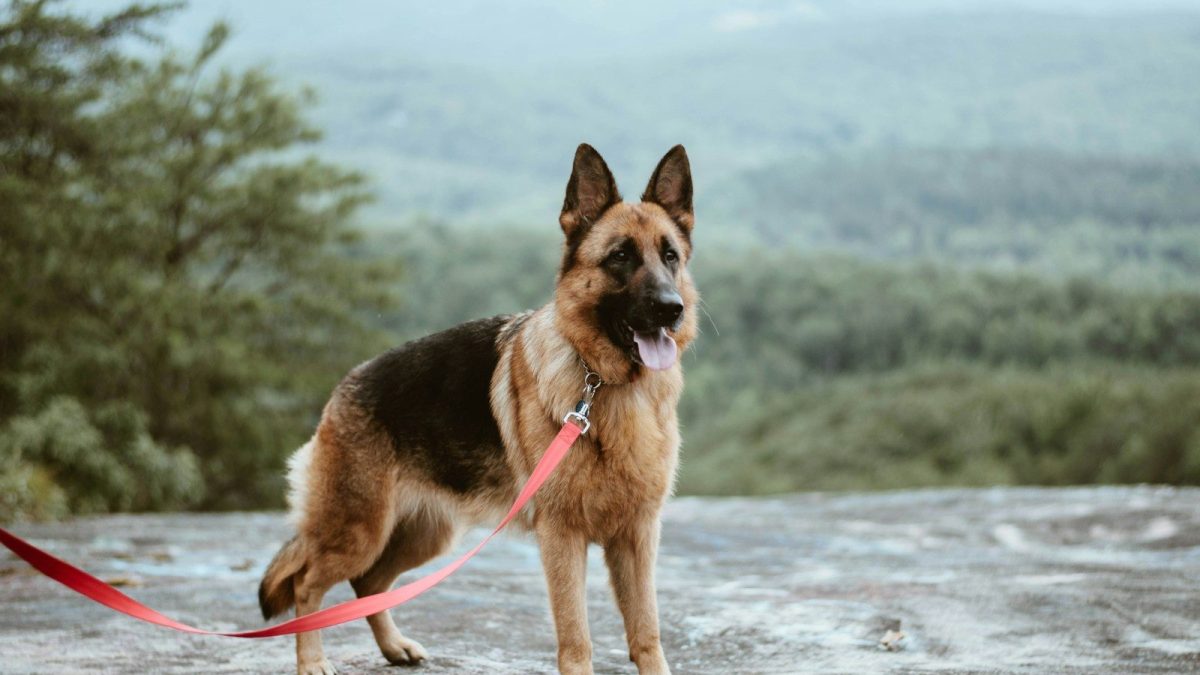
The German Shepherd is one of the most recognizable dogs in the world, and for good reason. It’s smart, athletic, deeply loyal, and endlessly capable — the breed you picture when you think of police K9s, search-and-rescue dogs, and guide dogs. That versatility is real. A well-raised German Shepherd can do almost anything you teach it.
But recognition and capability aren’t the same as easy. This is a working breed built to do a job alongside a handler. It bonds hard to its people, watches everything, and thinks constantly. Left without direction, that busy brain turns to digging, barking, chewing, and patrolling the fence line. The German Shepherd rewards owners who show up every single day and frustrates the ones who imagined a dog that mostly takes care of itself.
Physically, they’re large, powerful dogs with a double coat that sheds year-round and ‘blows’ heavily twice a year. They typically stand 22–26 inches at the shoulder and weigh 50–90 pounds, with males noticeably bigger than females. If you want a devoted partner and you’re ready to invest the time, few breeds give back more.
Breed Origin & History
The German Shepherd was developed in Germany in the late 1890s and early 1900s, largely credited to cavalry officer Max von Stephanitz. He wanted a standardized, highly capable herding dog and founded the breed’s parent organization, the Verein für Deutsche Schäferhunde (SV), in 1899. His guiding principle was utility and intelligence over looks — a philosophy the breed’s most serious enthusiasts still cite today.
As Germany industrialized and herding work declined, von Stephanitz steered the breed toward police and military service, where its trainability and courage made it an immediate fit. The dogs served extensively in both World Wars, and returning soldiers helped spread the breed worldwide. In some English-speaking countries the anti-German sentiment of that era led to the name ‘Alsatian,’ which stuck for decades.
The American Kennel Club recognized the German Shepherd in 1908, and it has ranked among the most popular breeds in the United States ever since. Over the past century, breeding has split into distinct lines — American and West German show lines bred more for appearance and a sloped topline, and working lines bred for drive and structure. These lines can differ dramatically in energy and temperament, which matters when you’re choosing a dog. A working-line puppy and a show-line puppy can grow into very different companions.
Temperament & Personality
German Shepherds are confident, courageous, and intensely loyal. Most bond deeply with their family and are naturally protective without being reflexively aggressive — a well-socialized GSD is watchful but stable, sizing up situations rather than reacting to everything. That combination of loyalty and alertness is exactly why they make such good working dogs, and it’s also the source of most of their challenges.
They are aloof with strangers by default. This isn’t shyness — it’s the breed’s job showing through. A German Shepherd typically takes time to warm up to new people and won’t be the dog cheerfully greeting everyone at the park. Handled well, that reserve is a feature. Handled poorly, without early socialization, it can tip into suspicion or reactivity.
They’re also extraordinarily smart, which cuts both ways. German Shepherds learn commands fast and thrive on training, but they get bored just as fast. A bored, under-exercised Shepherd is a genuinely destructive animal — this is a breed that can dismantle a couch, dig up a yard, or bark for hours when its needs aren’t met.
Most German Shepherds are wonderful with their own family’s children and can be gentle, patient companions. Their herding instinct sometimes shows up as nipping at heels or trying to corral running kids, which needs to be managed. With other pets, early exposure matters a lot; many live happily with other dogs and even cats they’ve been raised with, while others carry a strong prey drive toward smaller animals.
Is This Breed Right for You?
A German Shepherd is a great fit if you want an active, engaged partner and you’re honest about the time commitment. The ideal owner exercises the dog 1–2 hours a day, enjoys training as an ongoing hobby rather than a chore, and wants a dog that’s genuinely involved in daily life. People who do dog sports — obedience, tracking, agility, Schutzhund/IGP, scent work — often find no better companion. Active singles and families who spend a lot of time at home also do well.
This breed suits homes with space, though a committed apartment owner can make it work if the dog gets serious daily exercise and mental work. It does not suit someone gone 10 hours a day, someone who wants a low-key dog that entertains itself, or someone hoping to ‘exercise’ the dog with a quick walk around the block. That’s a recipe for a frustrated, destructive, sometimes anxious dog.
Be realistic about the shedding. If you can’t live with dog hair on everything and a vacuum you run constantly, this is not your breed. Be realistic about size and strength, too — an untrained 80-pound Shepherd that pulls or jumps is a lot of dog to manage, so leash training and impulse control aren’t optional.
First-time owners can succeed with a German Shepherd, but only if they go in eyes-open and are willing to commit to consistent training, ideally with professional classes. This isn’t a beginner’s ‘easy’ breed. If you want protection, loyalty, and a working partner and you’ll put in the daily effort, few dogs deliver more. If you want convenience, look elsewhere.
Care & Exercise Needs
Exercise comes first. Most German Shepherds need at least 60–90 minutes of real physical activity daily, and mental work on top of that. A leash walk alone rarely cuts it. Aim for a mix: off-leash running in a safe area, fetch, structured training sessions, and problem-solving games. Working-line dogs need even more — closer to two hours plus a job.
Mental stimulation is not optional for this breed. Ten to twenty minutes of training a day, food puzzles, scent games, and learning new tasks keep the brain busy. A tired body and a bored mind still equals a destructive dog.
Training should start early and lean on positive, consistent methods. German Shepherds respond beautifully to reward-based training and clear structure. Early, thorough socialization — many different people, places, dogs, and surfaces before 16 weeks — is the single most important thing you can do to raise a stable adult. Puppy classes are strongly recommended.
Grooming is straightforward but constant. The double coat needs brushing 2–3 times a week normally, and daily during the twice-yearly shed when they drop their undercoat in clumps. Bathe only occasionally, since over-bathing strips coat oils. Keep nails trimmed, check ears, and brush teeth regularly. Do not shave the double coat — it doesn’t keep them cooler and can damage regrowth.
Because they’re large and grow fast, avoid overexercising puppies on hard surfaces or with repetitive high-impact activity until their growth plates close, to protect developing joints.
Health Considerations
German Shepherds are generally hardy, but the breed is known to have a higher incidence of several conditions worth understanding before you commit. Hip and elbow dysplasia are among the most well-documented; responsible breeders screen breeding dogs through OFA or PennHIP evaluations. The breed is also known to have a higher incidence of degenerative myelopathy, a progressive spinal cord condition affecting older dogs, for which a DNA test exists.
Bloat (gastric dilatation-volvulus) is a serious, life-threatening emergency more common in large, deep-chested breeds like this one — owners should learn to recognize the signs. German Shepherds also show higher rates of certain digestive issues, including exocrine pancreatic insufficiency, and some skin and allergy problems. Various eye and heart conditions appear in the breed as well.
Because different lines have been bred with different priorities, health can vary. Health testing of the parents is one of the most meaningful things separating a well-bred puppy from a poorly bred one.
With good care, most German Shepherds live about 9–13 years. Maintaining a lean body weight throughout life reduces stress on joints and is one of the best things an owner can do for long-term health. None of this is a diagnosis or a treatment plan — for anything specific to your dog, and for advice on preventive screening and emergency signs to watch for, consult your veterinarian.
Recommended Gear Categories
A few categories matter more for this breed than others. Because German Shepherds are strong and many pull, a well-fitted no-pull harness or a properly used front-clip harness makes daily walks manageable while you train loose-leash skills; a standard 4–6 foot leash gives you control without encouraging pulling. Skip retractable leashes for a powerful dog still learning manners.
Grooming gear earns its keep here. An undercoat rake or deshedding tool plus a slicker brush will pull out the loose undercoat, especially during heavy sheds, and a good vacuum is genuinely part of your equipment.
For mental work, invest in durable food puzzles, snuffle mats, and tough chew toys — a bored Shepherd destroys flimsy toys fast, so look for options rated for strong chewers. A slow-feeder bowl or elevated feeding setup can help with pace of eating; ask your vet what’s appropriate for your dog. A properly sized crate supports house-training and gives the dog a secure den, and a raised orthopedic bed is worth considering for joint support as they age.
Similar Breeds to Consider
If the German Shepherd’s intelligence appeals to you but you want something a bit different, a few breeds are worth comparing. The Belgian Malinois is even more driven and athletic — a superb working dog, but usually too much dog for a typical pet home. Consider it only if you’re deeply into dog sports or working roles and want intensity dialed up rather than down.
The Doberman Pinscher offers similar loyalty, protectiveness, and trainability with a short, low-maintenance coat and less overall shedding. Dobermans tend to be more openly affectionate and ‘velcro’ with their people, which some owners prefer to the Shepherd’s aloofness. They share some of the same commitment to exercise and training.
If you love the herding-breed brain but want a smaller package, the Border Collie is arguably the most trainable dog alive — though its exercise and mental needs rival or exceed the Shepherd’s. For families who want a large, loyal, protective dog with a calmer, more even temperament, the Rottweiler is worth a look; it’s confident and devoted but often steadier and less busy day-to-day than a working-line Shepherd.