
Overview
The Poodle comes in three sizes — Standard, Miniature, and Toy — but they’re all the same breed with the same wiring underneath. That wiring is a fast, curious, people-focused brain paired with an athletic body. Poodles consistently rank among the most trainable dogs in the world, and it shows in almost everything they do: they read your mood, learn routines quickly, and get bored just as fast when nothing is asked of them.
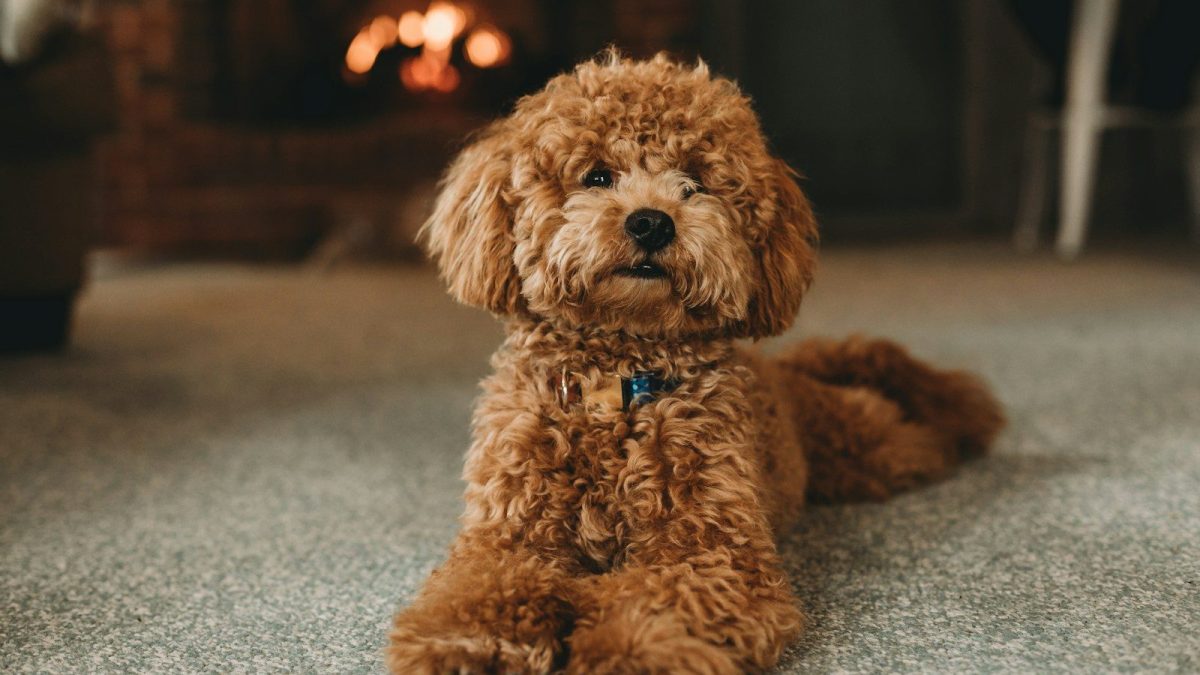
That curly, dense coat is the Poodle’s most famous feature. It sheds very little, which is why the breed appeals to people sensitive to dog hair. But ‘low-shedding’ is not the same as ‘low-maintenance.’ That coat mats if you skip it, and it needs regular clipping for life. Grooming is not optional with this breed — it’s a permanent line item in your budget and your calendar.
Whichever size you choose, you’re getting a dog that wants to be involved. Poodles are affectionate, often comedic, and deeply attached to their people. The trade-off is that they don’t do well as background pets. A Poodle who is ignored will find its own entertainment, and you usually won’t like the results.
Breed Origin & History
The Poodle is old — versions of the breed appear in European art going back centuries. Despite the common association with France, most historians trace the breed’s development to Germany, where it worked as a water retriever. The name comes from the German ‘Pudel,’ meaning to splash in water. The famous show clip, with its shaved patches and pom-poms, actually started as function: hunters trimmed the coat to reduce drag in cold water while leaving fur over the joints and vital organs for warmth.
France embraced the breed so thoroughly that the Poodle became its national dog, known there as the Caniche. Over time the Standard was bred down into smaller versions — the Miniature and the Toy — primarily as companions and, in the Miniature’s case, sometimes as truffle hunters and circus performers, where their intelligence made them naturals.
The American Kennel Club recognized the Poodle in 1887, and it has been a fixture of the show ring and companion homes ever since. The AKC places all three sizes in different groups by variety, with the Toy in the Toy Group and Standard and Miniature in the Non-Sporting Group. The FCI recognizes four sizes, adding a Medium (Moyen) variety not separately recognized by the AKC — a difference worth knowing if you research the breed internationally.
Temperament & Personality
Poodles are smart, and smart dogs are a double-edged sword. They pick up commands quickly, adapt to household rhythms, and often seem to anticipate what you want. That same intelligence means they get bored, they problem-solve, and they can outmaneuver an inconsistent owner. A Poodle with too little to do may bark, chew, or invent games you didn’t sign up for.
Most Poodles are affectionate and closely bonded to their families. They tend to be sensitive — they respond poorly to harsh corrections and much better to reward-based training. Yelling doesn’t work with this breed. It just makes them anxious.
Size does shift personality somewhat. Standards are typically calm, dignified, and steady — a good balance of playful and composed. Miniatures often have a busier, more energetic edge. Toys can be delightful lap dogs but are more prone to nervousness and can be snappy if not socialized well and treated with respect rather than coddled into fragility.
With strangers, most Poodles are polite but reserved rather than instantly friendly. They’ll bark to announce visitors. They usually do well with other pets when socialized early. The consistent trait across all three sizes is engagement: this is not a dog that will happily ignore you. If you want a low-involvement companion, a Poodle will feel like a needy roommate. If you want a partner who’s genuinely tuned in to you, few breeds match it.
Is This Breed Right for You?
A Poodle suits people who want an intelligent, trainable dog and who actually enjoy the daily back-and-forth of living with one. If you like teaching tricks, doing dog sports, or having a companion who follows you room to room, this breed rewards you enormously. It’s a strong fit for allergy-sensitive households wanting a low-shedding dog — with the honest caveat that no dog is truly hypoallergenic, and the coat demands serious grooming commitment.
Apartment living works, especially for Toys and Miniatures, provided you deliver real daily exercise and mental work. A Standard can live in an apartment too, but you’re committing to substantial outdoor time — think a solid hour or more of walking and running most days.
This breed is a poor fit for a few clear situations. If you want a dog that entertains itself in the yard while you’re busy, skip the Poodle. If harsh, dominance-based training is your instinct, this sensitive breed will suffer under it. If your budget can’t absorb professional grooming every four to eight weeks — or the time to learn to do it yourself — the coat will become a genuine problem, not a cosmetic one.
Families with children can do well with a Standard or Miniature, though Toys are fragile and better suited to homes with older, gentle kids. First-time owners can absolutely succeed with a Poodle, because the trainability makes them forgiving of learning mistakes — as long as the owner commits to consistency, socialization, and the grooming reality. Retirees and single-person households often find the Poodle’s velcro affection ideal. Absentee owners will not.
Care & Exercise Needs
Exercise scales with size. Standards need roughly 60–90 minutes of activity daily — walks plus off-leash running, swimming, or fetch. Miniatures do well with 45–60 minutes. Toys need less physical output, around 30 minutes, but the same mental engagement. All three sizes need brain work: puzzle feeders, training sessions, scent games, or dog sports like agility, rally, and obedience, where Poodles genuinely shine.
Grooming is the big commitment. The Poodle’s coat grows continuously and doesn’t shed out, so it must be clipped every four to eight weeks, either by a professional groomer or by you with proper equipment. Between clips, brush thoroughly several times a week down to the skin — surface brushing leaves mats forming underneath. Neglected coats mat painfully and often require shaving down. Budget for the grooming or learn to do it; there’s no skipping this.
Ears need regular attention, since hair grows in the ear canal and the floppy ear shape traps moisture, which can lead to infections. Nails, teeth (especially in Toys, who are prone to dental issues), and eyes need routine care too.
Training should be positive, consistent, and started early. Poodles learn fast and get bored with repetition, so keep sessions short and varied. Socialize them widely as puppies to prevent the wariness and nervousness the breed can develop. Because they’re so quick, they also learn bad habits fast — inconsistency teaches a Poodle exactly the wrong lesson just as efficiently as consistency teaches the right one.
Health Considerations
Poodles are generally healthy and long-lived, but each size carries known tendencies. Standard Poodles are known to have a higher incidence of hip dysplasia, gastric dilatation-volvulus (bloat, a life-threatening emergency in deep-chested dogs), Addison’s disease, and sebaceous adenitis, a skin condition affecting the coat. Responsible breeding screens for several of these.
Miniature and Toy Poodles are known to have a higher incidence of patellar luxation (slipping kneecaps), progressive retinal atrophy leading to vision loss, and Legg-Calvé-Perthes disease affecting the hip joint. The smaller sizes are also more prone to dental disease and can be prone to fragile bones and tracheal issues.
Across all sizes, the breed can be affected by epilepsy and certain eye conditions. Parent-club health testing recommendations, published by the Poodle Club of America, typically include hip, eye, and specific genetic screening depending on variety.
The good news is that lifespan is solid — Toys and Miniatures often reach 14 to 16 years or more, and Standards commonly live 12 to 15. Keeping your Poodle at a healthy weight, staying current on dental care, and knowing the signs of bloat in Standards all matter. None of this is a diagnosis or a substitute for professional care — discuss your individual dog’s health, screening, and any symptoms with your veterinarian.
Recommended Gear Categories
For Standards and stronger pullers, a well-fitted no-pull harness gives you control without straining the neck — useful during the adolescent phase when a smart, athletic dog tests boundaries. Grooming gear is where this breed really needs investment: a quality slicker brush, a metal comb to check for mats down to the skin, and, if you plan to groom at home, professional-grade clippers and blades. Cheap clippers struggle with the dense coat.
For mental stimulation, puzzle toys and food-dispensing devices are close to essential — a bored Poodle is a destructive one. Snuffle mats and treat puzzles help burn mental energy on days when the weather cuts exercise short.
Toy Poodles benefit from a properly sized harness rather than a collar, given their delicate tracheas, and from soft bedding and ramps if they like furniture, to protect their small joints. For Standards who love water — many do, given the breed’s retrieving history — a canine life vest makes swimming safer. Your editor will add specific product recommendations; the categories above are what actually matter for this breed.
Similar Breeds to Consider
If you love the Poodle’s intelligence and trainability but want a bit more natural sociability, look at the Portuguese Water Dog. It shares the low-shedding curly coat and water-loving history, tends to be more consistently outgoing, and comes in one size roughly between the Miniature and Standard Poodle. It needs similar grooming and mental work, so it’s not an easier dog — just a slightly different personality.
For the low-shedding coat without quite the same grooming intensity, the Bichon Frise (for small-dog seekers) is worth considering. It’s cheerful, sociable, and a bit less demanding on the exercise front than a Miniature Poodle, though grooming is still frequent. If you’re drawn to a Standard Poodle’s size and steadiness but want a calmer, less mentally demanding companion, a Golden Retriever or Labrador may fit better — they shed heavily, which rules out allergy-sensitive homes, but they’re often more forgiving of a lower-engagement lifestyle.
Finally, if the Poodle’s brain appeals but you want an even more work-driven partner and can commit to serious activity, the breed’s herding cousins in temperament — like the Australian Shepherd — offer that intensity. Just know you’re trading the low-shedding coat for heavy shedding and an even higher exercise requirement. The Poodle often lands in the sweet spot: smart, adaptable, and clean-coated, as long as you meet its needs.