
Overview
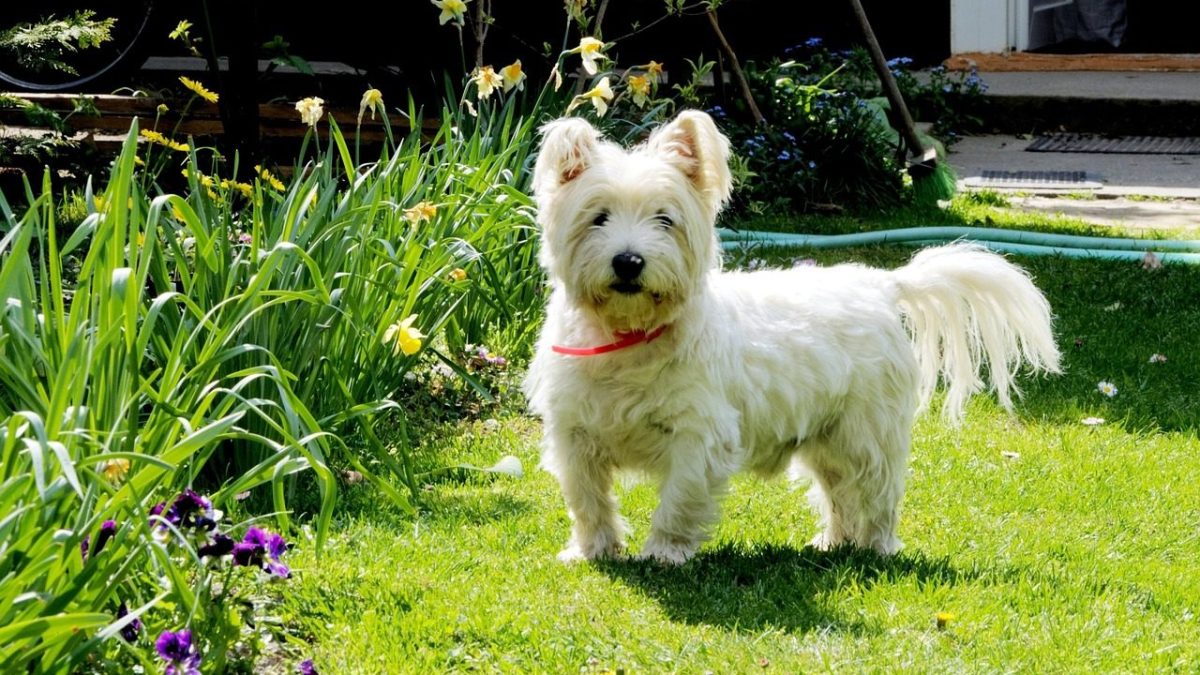
The West Highland White Terrier is a compact Scottish earthdog — 15 to 20 pounds, standing 10 to 11 inches — with a harsh white outer coat over a soft undercoat, prick ears and dark almond eyes. It is among the most popular of the small terriers and has been in the top third of American breeds since the 1960s.
The white coat is functional in origin rather than decorative. A dog sent into cover after fox and rat needed to be distinguishable from its quarry, and the story most associated with the breed’s development involves exactly that problem being solved by selecting for white dogs.
Temperamentally the Westie is a terrier and behaves like one. It is confident, entertaining, independent and self-assured, quick to learn and equally quick to decide whether a request is worth acting on. It digs, it chases, it barks, and it is generally unbothered by the opinion of larger dogs.
Here is the honest headline. Westies are excellent company for owners who enjoy a dog with opinions, and they are sturdier than most small breeds. What prospective owners consistently underestimate is the skin. Atopic dermatitis is extremely common in this breed — common enough that veterinary dermatology literature treats the Westie as a reference case — and managing it is often lifelong and expensive. Buying from a breeder who is candid about skin in their lines matters more here than almost anything else.
Breed Origin & History
The breed developed in the western Highlands of Scotland as a working earthdog, sent into rock cairns and burrows after fox, badger and vermin. Several related Scottish terrier breeds share that ancestry, and the Westie was distinguished from them partly by color.
The white coat has a practical explanation that has entered breed lore: a working terrier that could be mistaken for its quarry at a distance was at genuine risk from its own handler. Selecting for white dogs removed the ambiguity. Whether the specific anecdote usually told is accurate or not, the functional logic held, and white became the defining feature.
The breed has been recognized in its modern form for well over a century and has been consistently popular ever since, particularly in Britain.
The West Highland White Terrier Club of America is the single official national parent club in the United States and a member club of the AKC. It writes and maintains the breed standard that all American judges use, holds specialty shows and performance events including earthdog and barn hunt, and runs an established rescue committee.
Alongside the club, a dedicated breed health foundation supports research specifically into Westie health problems. The existence of a breed-specific research foundation is itself informative: it exists because this breed has a documented set of inherited conditions serious enough to warrant one, and it is a good indicator of where a conscientious breeder’s attention should be.
Temperament & Personality
Westies are confident, alert, friendly and thoroughly self-possessed. They engage readily with people, are generally sociable with strangers, and carry themselves with the assurance of a much larger dog.
They are intelligent and learn quickly, but terrier independence means obedience is conditional. A Westie that understands a cue perfectly may still weigh whether complying is worthwhile. Training works best when it is short, motivating and interesting rather than repetitive.
The working instincts persist intact. Westies dig, and they dig with purpose. They chase small moving things, which makes cats, rabbits and rodents a genuine consideration. And they bark — at visitors, at movement, at sounds they cannot place. All three are normal breed behavior rather than failures of training, though all three respond to early consistent work.
They are sturdy for their size and tolerate normal family life well, but they rarely tolerate rough handling and many prefer their own company at times. That combination makes them better suited to households with older children who understand leaving a dog alone when it withdraws.
With other dogs they are usually confident rather than fearful, which occasionally means starting something with a dog four times their size.
They are affectionate without being needy, and they cope with normal working hours better than most companion breeds.
Is This Breed Right for You?
The Westie suits owners who want a small dog with a real personality. Specifically: people who find independence entertaining rather than frustrating. Apartment and condo dwellers, given the size and moderate exercise needs, provided barking is managed. Households with older children. Owners who want a small dog that is sturdy rather than fragile. Anyone interested in earthdog, barn hunt or terrier sports, which the breed genuinely enjoys. People who are out during normal working hours, since Westies handle solitude reasonably.
It also suits owners willing to either learn hand-stripping or pay a groomer who knows the coat.
Here is who should think twice. Anyone on a tight veterinary budget — skin disease in this breed is common, chronic and costly, and it is the single most predictable expense of Westie ownership. Households with cats, rabbits or rodents, given the prey drive. People in noise-sensitive living situations not prepared to train barking down. Anyone who wants a biddable, eager-to-please dog. Owners who want a pristine garden, because Westies dig. Families with toddlers, since the breed dislikes rough handling.
And anyone buying should ask directly about skin and allergies in the breeder’s lines, and about the specific conditions listed below. A breeder who deflects that question is telling you something.
If you want a confident, funny, hardy little dog and you go in with realistic expectations about the skin, the Westie is genuinely rewarding company.
Care & Exercise Needs
Exercise needs are moderate: two decent walks a day plus play satisfies most adults. Westies enjoy activity and do well at terrier sports, and a securely fenced yard is worth having — both because they dig out and because a Westie in pursuit of something small does not hear you.
Grooming is more involved than the size suggests. The correct coat is harsh and wiry over a soft undercoat, and hand-stripping — plucking dead coat by hand — preserves that texture. Clipping is easier and far more common for pet dogs, but it softens the coat over time and removes the weather-resistant quality. Either way, professional grooming every four to eight weeks is normal, plus brushing two or three times a week at home.
Skin care is the real ongoing task for many Westies. Watch for itching, licking, recurrent ear infections, red or thickened skin, and paw chewing. These are not minor irritations in this breed — they are the early signs of the condition most likely to affect your dog, and early veterinary involvement produces far better outcomes than waiting.
Bathe with a veterinary-recommended shampoo if skin problems appear, rather than defaulting to whatever is at hand.
Training should start early and stay short and interesting. Teach a quiet cue before barking becomes habitual, and work on recall knowing it may never be reliable against prey.
Health Considerations
The Westie carries several conditions, and the skin dominates.
Atopic dermatitis is the most significant. This is an inherited allergic skin disease causing chronic itching, licking, recurrent skin and ear infections and secondary damage from scratching. It is extremely common in the breed and is typically managed rather than cured, often for the dog’s whole life. A breed-specific skin condition sometimes called hyperplastic dermatosis has also been described.
Craniomandibular osteopathy, known informally as Westie jaw, is a developmental condition in young dogs causing abnormal bone growth in the jaw, with pain and difficulty eating. It usually appears between three and eight months and often resolves as the dog matures, but it needs veterinary management.
Pulmonary fibrosis, sometimes called Westie lung disease, is a progressive scarring of the lung tissue documented in this breed. It typically affects middle-aged and older dogs and presents as a chronic cough and exercise intolerance.
Legg-Calvé-Perthes disease, a degeneration of the hip joint head seen in small breeds, occurs, as does patellar luxation.
Globoid cell leukodystrophy, a fatal inherited neurological disease, is documented in the breed and is DNA testable.
Cataracts and other eye conditions are reported.
A healthy Westie commonly lives 13 to 15 years. Ask breeders directly about skin disease in their lines, and for patella, eye and globoid cell leukodystrophy results. For any concern about your dog’s skin, coughing, jaw or gait, consult your veterinarian rather than relying on general breed information.
Recommended Gear Categories
Skin and coat supplies matter more for this breed than for most small dogs. A veterinary-recommended shampoo, soothing rinses and ear cleaning solution belong in the cupboard rather than being bought in a crisis. Paw-soaking supplies help dogs that chew their feet.
For grooming, a stripping knife is the right tool if you learn hand-stripping; otherwise a slicker brush, a metal comb and a good relationship with a groomer who knows terrier coats. A comb is the test of whether you have reached the undercoat.
A well-fitted harness suits a small dog that pulls toward interesting smells, and a long line helps with recall training that may never fully take against prey drive.
Fencing should be checked at ground level. Westies dig, and a fence that looks secure from standing height may not be.
For enrichment, terrier-appropriate outlets earn their place: a digging box filled with sand or soil in a corner of the yard gives the instinct somewhere legitimate to go, and snuffle mats, puzzle feeders and earthdog-style tunnels suit the working brain.
For barking, reducing visual triggers with window film works alongside training better than either alone.
Dental supplies matter as with all small breeds. Your editor will add specific product recommendations with current pricing and details.
Similar Breeds to Consider
The Cairn Terrier is the closest relative and shares the Scottish earthdog heritage, in a shaggier, less groomed-looking package. It is generally a little more rugged in appearance and carries a lower profile in skin disease, which makes it worth serious consideration for anyone drawn to the Westie’s temperament but concerned about the dermatology.
The Scottish Terrier is more reserved and more independent again, with a heavier build and a stronger tendency toward aloofness with strangers.
The Miniature Schnauzer is the alternative for someone wanting a confident, sturdy small dog with a low-shedding coat and generally better trainability. It needs regular professional grooming too, and carries its own health considerations around pancreatitis and eye disease.
The Norfolk and Norwich Terriers offer similar size and terrier character with a somewhat softer temperament and less grooming than a Westie kept in proper coat.
For households wanting a small white dog without terrier drive, the Bichon Frise is the honest alternative — friendlier, softer, more people-focused, with its own substantial grooming commitment and its own allergy burden.
In short: choose the Westie for a confident, hardy small terrier if the skin risk is one you can carry, the Cairn for something similar and often hardier, the Miniature Schnauzer for more trainability, and the Bichon if what you actually want is a small white companion rather than a working terrier.