
Overview
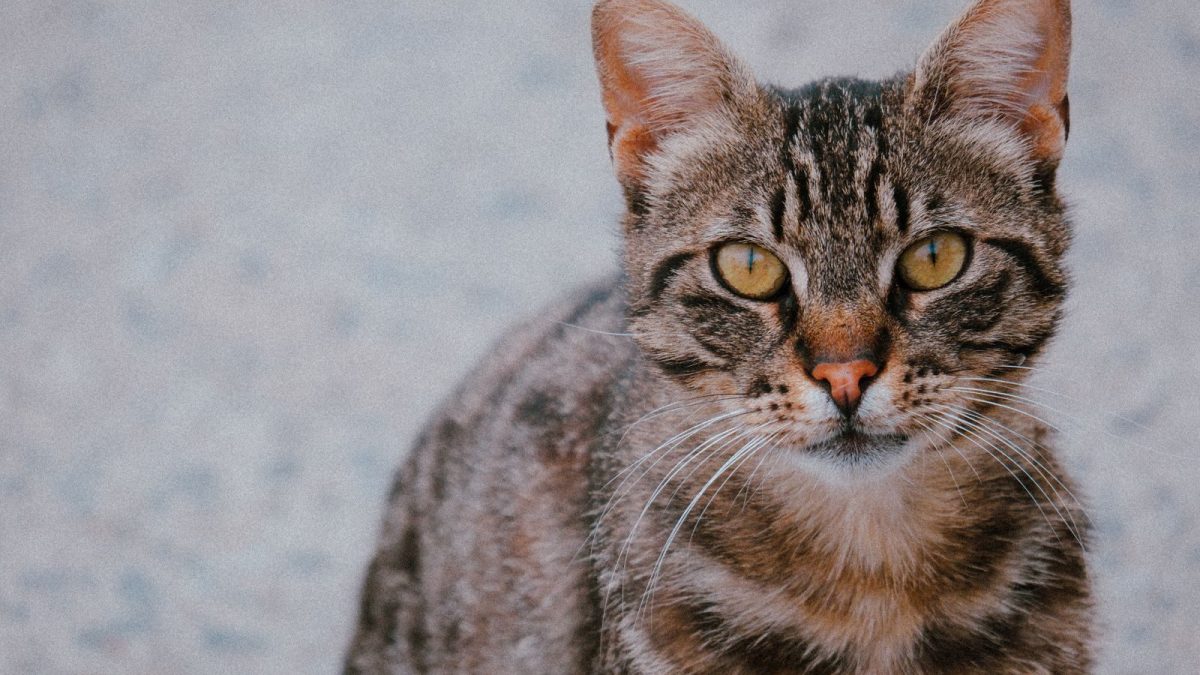
The Egyptian Mau is a medium-sized, elegantly muscular cat and the only domestic breed whose spotted coat occurs naturally rather than having been introduced through deliberate crossing with wild species. The spots sit on the hair shaft rather than merely on the coat pattern, and the markings extend to the skin beneath.
Several physical details are worth knowing because they explain the behavior. The hind legs are longer than the front, and there is a loose flap of skin extending from the flank to the hind knee — the same arrangement a cheetah has. Together they give the breed exceptional stride extension, and the Mau is the fastest domestic cat, recorded at speeds around 30 miles per hour.
The face carries a distinctive scarab-shaped M marking on the forehead and dark mascara lines running from the eyes. Adult eye color is a striking pale green usually described as gooseberry.
Adults typically run 6 to 14 pounds, with males noticeably larger.
Here is the honest headline. Maus are deeply, specifically loyal — they attach hard to their own household and many become genuinely devoted to one person. They are also shy, sensitive to disruption, and often unwilling to engage with strangers at all. For a quiet, stable home this makes a wonderful cat. For a busy household with frequent visitors, it makes a cat that lives under the bed.
Breed Origin & History
The Mau’s appearance in Egyptian art is genuine and frequently cited: spotted cats resembling the modern breed appear in tomb paintings and artifacts, and cats held religious significance in ancient Egypt. Whether the modern breed descends directly from those cats in an unbroken line is a separate and much less certain question.
What is documented is the modern breed’s founding. Exiled Russian princess Nathalie Troubetskoy encountered spotted cats while living in Italy in the 1950s, acquired several, and established a breeding program. She brought cats to the United States in 1956, and the modern Western Mau population descends substantially from that small foundation.
The narrow founding base is directly relevant to health, and breeders have periodically imported cats from Egypt and neighboring regions to broaden the gene pool.
The Cat Fanciers’ Association recognizes the breed and maintains its standard, which emphasizes the randomly distributed spotting, the characteristic markings on the head and the distinctive body structure with its longer hind legs and loose flank skin.
One thing to understand when comparing breeds: the Mau’s spots are naturally occurring and are not the product of hybridizing with a wild cat species. That distinguishes it from the Bengal and the Savannah, which are wild-hybrid breeds with different origins, different temperaments and, in some jurisdictions, different legal status.
Temperament & Personality
Egyptian Maus are loyal, sensitive, athletic and reserved. Within their own household they are affectionate and interactive, often following their chosen person from room to room, and many are enthusiastic lap cats with the people they trust.
With strangers they are typically shy. Many disappear when visitors arrive and reappear once the house is quiet. Socialization helps but does not transform the breed; reserve with unfamiliar people is characteristic rather than a fault.
They are notably sensitive to change. Maus tend to prefer routine, dislike household upheaval, and can respond to disruption by withdrawing or going off their food. A stable, predictable home suits them considerably better than a chaotic one.
Activity is high. This is a genuinely athletic cat that climbs, jumps and runs, and it retains that drive well into adulthood. Vertical space is used properly rather than ignored.
Vocalization is unusual and worth mentioning: Maus chirp, chortle and trill rather than meow conventionally, and many accompany the sounds with a distinctive tail-twitching display when happy. It is a quiet, expressive repertoire rather than a loud one.
Many Maus enjoy water, and quite a few will investigate a running tap or join you in the bath. They are also intelligent and trainable — fetch and harness walking are both realistic.
Is This Breed Right for You?
The Egyptian Mau suits calm, stable households that want an active, devoted cat. Specifically: quiet homes without a constant stream of visitors. Owners who want a cat that bonds deeply and specifically with them. Households that can provide real vertical space and daily play for an athletic breed. People who keep a fairly predictable routine. Owners interested in training — fetch, clicker work and harness walking all suit the breed. Anyone who wants an exceptionally striking cat with a genuinely low-maintenance coat.
Here is who should think twice. Busy households with frequent guests, young children or constant activity — a shy, sensitive cat in that environment spends its life hiding, which is a poor outcome for the animal. People who want a cat that greets visitors. Anyone whose living situation changes often, since this breed handles disruption badly. Households unable to provide climbing structures and daily interactive play for a fast, athletic cat. Anyone wanting a placid, sedentary lap cat.
One practical note for anyone shopping the spotted breeds: if what appeals is the wild look, be clear about which breed you actually want. The Mau’s spotting is natural and it is a fully domestic cat; the Bengal and Savannah are wild-hybrid breeds with different temperaments, different energy levels and, in some places, legal restrictions. They are not interchangeable.
If your home is calm and you want a beautiful, athletic cat that will attach itself to you specifically, the Mau is exceptional.
Care & Exercise Needs
Grooming is straightforward. The short to medium coat is fine and silky and needs little more than a weekly pass with a soft brush or grooming mitt, increasing slightly during seasonal shedding. The coat should not be over-brushed.
Environment matters more than grooming for this breed. Provide substantial vertical space — tall stable cat trees, shelves, window perches — because a cat built for speed and climbing will use height regardless of whether you have provided for it. Include enclosed retreats and hiding places; a shy cat with a reliable place to withdraw to is a more confident cat than one with nowhere to go.
Daily interactive play is a genuine requirement rather than enrichment. Wand toys, fetch and puzzle feeders all suit an intelligent, athletic breed, and an under-stimulated Mau finds its own entertainment.
Keep routines stable where you can. Feeding times, litter box location and furniture arrangement all matter more to this breed than to most, and changes are better introduced gradually.
Maus are often described as preferring warmth, and many seek out sunny spots and heated beds.
One practical care point worth raising with your veterinary practice: sensitivity to certain medications and to anesthesia has been reported in the breed. Flagging it before any procedure lets the practice plan accordingly, and it costs nothing to mention.
Health Considerations
The Egyptian Mau is generally regarded as a healthy, robust breed without the long list of inherited conditions some pedigrees carry, and lifespans of 12 to 15 years are typical.
Hypertrophic cardiomyopathy, a thickening of the heart muscle, occurs across many pedigree breeds and responsible breeders screen breeding cats by echocardiogram. Ask for the date and result rather than a general assurance.
A rare inherited neurological condition affecting the nervous system’s white matter has been reported in the breed. It is uncommon, and it appears in young kittens, but it is a fair question to put to a breeder about their lines.
Asthma and other respiratory sensitivity have been reported at somewhat elevated rates. Persistent coughing or labored breathing warrants prompt veterinary attention rather than watchful waiting.
Because the Western population descends from a small founding group, genetic diversity is a live concern within the breed, and conscientious breeders pay attention to it — which is one reason cats have periodically been imported from the breed’s region of origin.
The reported sensitivity to some medications and to anesthesia is worth repeating here: raise the breed with your veterinarian before any procedure requiring sedation.
Stress-linked problems deserve attention in a sensitive breed. A cat that stops eating, over-grooms or develops urinary symptoms after a household change should be seen promptly rather than given time to settle. For any specific concern, consult your veterinarian rather than relying on general breed information.
Recommended Gear Categories
Climbing and play equipment comes first, because this is the fastest and one of the most athletic domestic breeds. Tall, genuinely stable cat trees, wall shelving and window perches all get used properly. Stability matters more than height — a fast cat landing hard on a wobbly tower will stop using it.
Retreats are equally important for a shy breed. Covered beds, cat caves and an enclosed level on the cat tree give a reserved cat somewhere to go when the house is busy, which does more for its confidence than coaxing it out ever will.
Interactive toys should be in daily rotation: wand toys, fetch-friendly small toys since many Maus retrieve, and puzzle or treat-dispensing feeders for an intelligent cat.
A harness and lead are realistic here — Maus are often good candidates for harness training, and it suits their curiosity.
Many enjoy water, so a circulating fountain tends to be well used and supports hydration.
Grooming needs are minimal: a soft brush or rubber mitt. Warm resting places — a heated bed or a sunny window perch — suit a breed that seeks warmth.
Keep a note about anesthesia sensitivity with your veterinary records. Your editor will add specific product recommendations with current pricing and details.
Similar Breeds to Consider
The Bengal is the most common cross-shop and the most important distinction to understand. Bengals are a wild-hybrid breed developed from crosses with the Asian leopard cat, where the Mau’s spotting is entirely natural. Bengals are typically more demanding in energy and enrichment, more confident with strangers, and subject to legal restrictions in some jurisdictions for early-generation cats. If you want the spotted look in a fully domestic, less intense cat, the Mau is the answer.
The Savannah is further along the same axis — a serval hybrid, larger, more demanding and more heavily regulated.
The Ocicat is worth serious consideration for anyone drawn to the spotted appearance who wants an outgoing rather than reserved cat. It is entirely domestic in origin despite the wild look, and it is notably more sociable with strangers than the Mau.
The Abyssinian shares the Mau’s athleticism, intelligence and quiet chirping voice in a ticked rather than spotted coat, and is considerably more confident with visitors.
If the shyness is the sticking point rather than the look, the Ocicat or Abyssinian are the honest recommendations. In short: choose the Egyptian Mau for a naturally spotted, deeply loyal cat in a calm home, the Ocicat for spots with an outgoing temperament, the Abyssinian for the energy without the reserve, and a Bengal only if you genuinely want a wild-hybrid breed and have checked your local rules.