
The question is wrong, and that’s why the answers are useless
Search for how often to brush a dog and you get a number. Weekly. Twice a week. Daily. None of it is useful on its own, because brushing frequency has almost nothing to do with the breed name and almost everything to do with coat structure.
A Pomeranian and a Vizsla are both medium-ish dogs. One needs thorough work twice a week and daily attention for several weeks a year. The other needs a rubber mitt run over it occasionally and essentially nothing else. The difference is not size or popularity or how expensive the puppy was. It is whether the dog has an undercoat, how long the outer coat is, and how the hair behaves when it sheds.
So the useful question is: what kind of coat does my dog have, and what does that coat do when it’s neglected? Once you know that, the schedule follows.
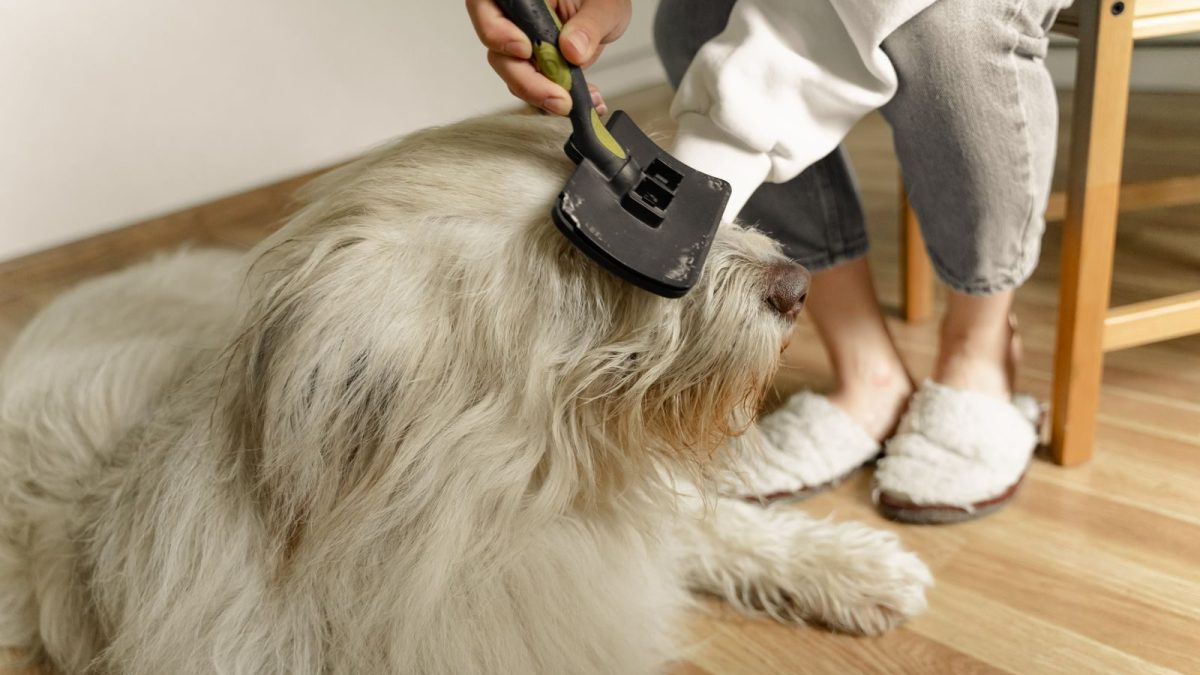
There is also a second question nobody asks, which matters more than frequency: are you actually reaching the skin? Most under-groomed dogs are brushed regularly. Their owners are just brushing the top.
Double coats: the twice-a-week baseline and the seasonal blowout
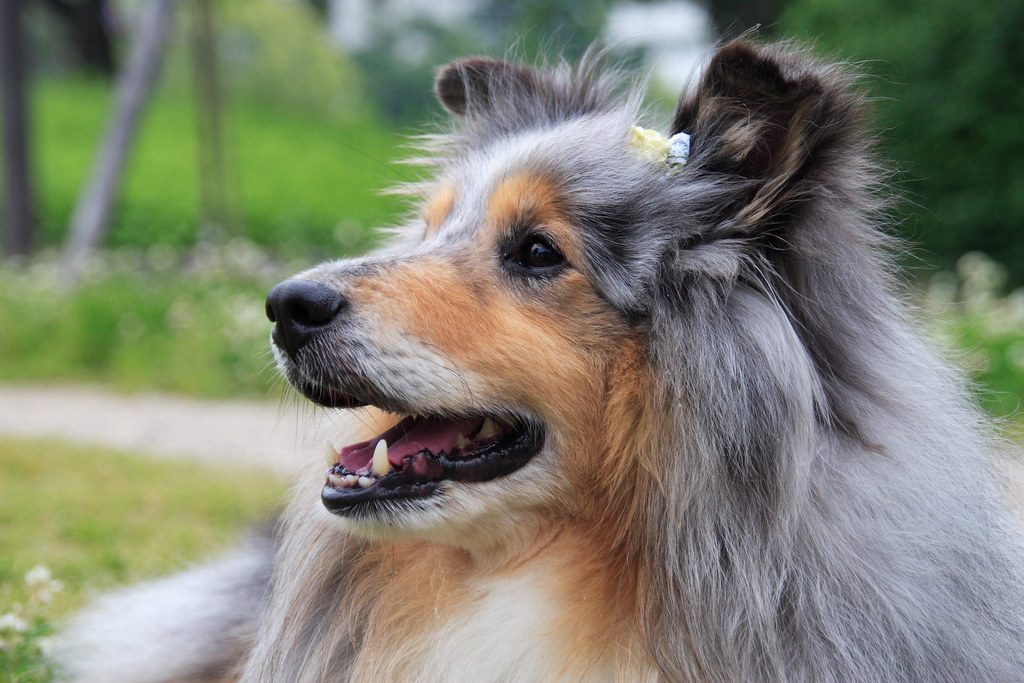
A double coat means a dense, woolly undercoat beneath a longer, coarser outer coat. Shetland Sheepdogs, Pomeranians, Norwegian Forest Cats and most northern breeds carry one.
The baseline is thorough brushing at least twice a week, working down to the skin rather than over the surface. Twice a year, most double-coated dogs blow their undercoat — a period of several weeks where the dense underlayer sheds out en masse. During that window, daily brushing is realistic rather than excessive, and you will be genuinely surprised by the volume.
The tool matters here. A pin brush or slicker moves the outer coat; an undercoat rake or a metal greyhound comb is what actually reaches the layer that mats. If your comb passes through easily from skin outward, you are done. If it snags an inch down, you have been surface-brushing.
One rule with no exceptions: do not shave a double-coated dog to keep it cool. The double coat insulates against heat as well as cold, and shaving can permanently damage how the coat regrows. Manage heat with shade, water, cooling mats and timing your walks, not with clippers.
Long silky coats: daily, or clip it short and stop pretending
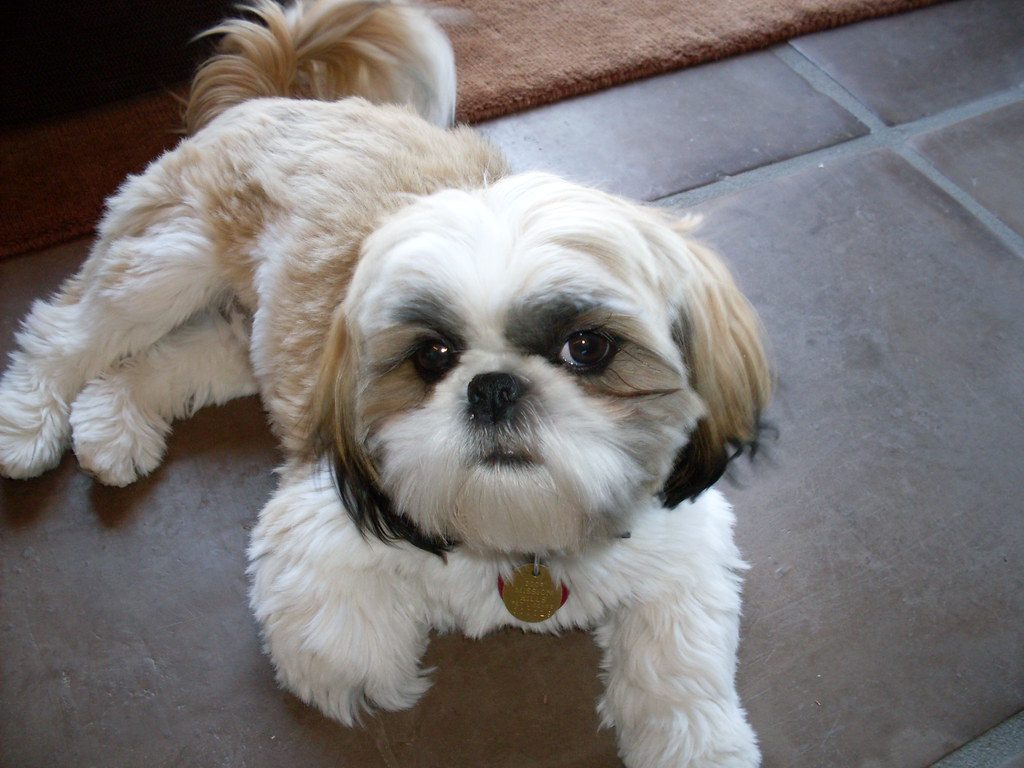
Shih Tzu, Havanese, Maltese and similar long-coated companion breeds carry hair that keeps growing rather than shedding out at a set length. Left at full length, it needs daily brushing and combing to the skin, plus professional grooming every six to eight weeks.
That is a genuine daily commitment, and most owners overestimate their willingness to do it. Mats in a long silky coat form closest to the body — behind the ears, in the armpits, under the collar, in the trousers — where surface brushing never reaches. By the time you see a mat from above, it has usually been there a while, and a tight mat pulls constantly at the skin underneath. It is painful, and a badly matted coat often has to be shaved off entirely.
Here is the practical advice most grooming articles avoid giving: if you are not going to brush daily, keep the coat clipped short. A puppy clip reduces daily brushing to a few minutes and is a perfectly legitimate choice, not a failure or a compromise. A well-maintained short coat is better for the dog than a neglected long one, every time.
Decide honestly which you are, and groom accordingly.
Smooth, wiry and curly coats
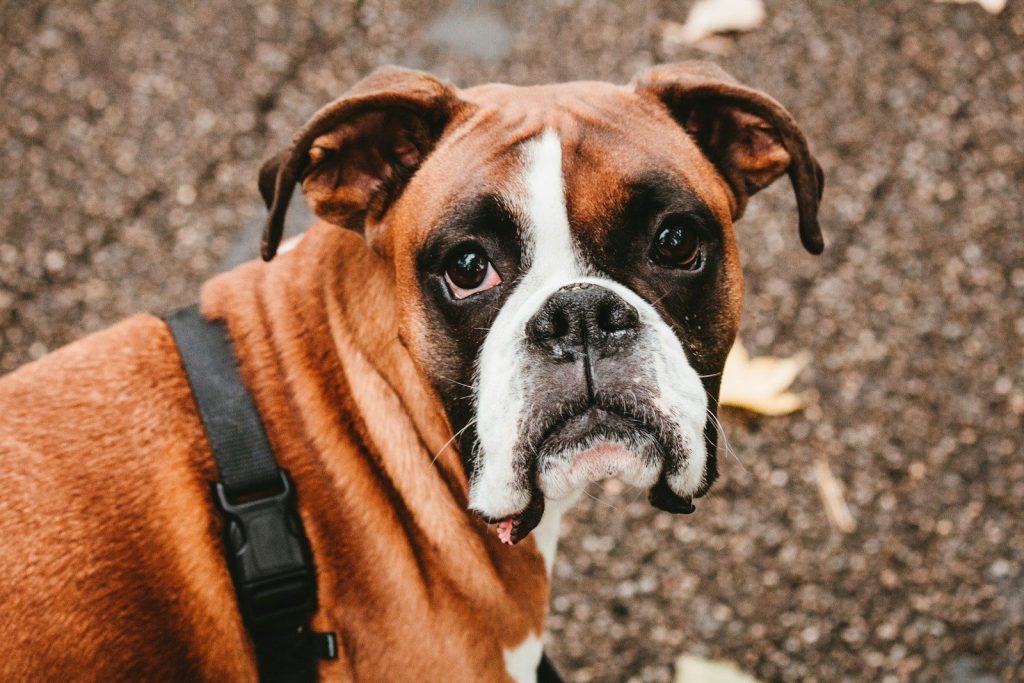
Smooth coats — Vizsla, Boxer, Boston Terrier — need the least work. A rubber curry mitt once a week removes loose hair and distributes skin oils. That is genuinely the whole job. What these dogs need instead is protection: a short coat with no undercoat offers little insulation, so cold-weather coats matter more than brushes do.
Curly and wavy coats — Poodles, Bichons, and the doodle crosses — are the opposite of what people expect. They shed very little, which is why they are marketed as low-maintenance, but shed hair stays trapped in the curl instead of falling out. That trapped hair is what mats. Curly coats need brushing several times a week down to the skin plus professional grooming every six to eight weeks. Low shedding and low maintenance are not the same thing, and the gap between them is where a lot of matted doodles come from.
Wiry coats — many terriers, the Wirehaired Vizsla — need weekly brushing and periodic hand-stripping or clipping depending on whether you care about coat texture.
Cats follow the same logic. Short dense coats like the British Shorthair need weekly attention because the density traps hair. Semi-long coats with little undercoat, like the Birman’s, are easier than their length suggests. And sparse-coated breeds like the Devon Rex need almost no brushing but do need their ears and skin watched, because the coat does not absorb oils normally.
The three mistakes that cause most matting
First, brushing only the top. This is the big one. A coat can look brushed and be solidly matted underneath. Use a metal comb as your test — run it from the skin outward in a few places. If it moves freely, the coat is genuinely clear.
Second, skipping the friction zones. Mats start where hair rubs: behind and under the ears, the armpits, the groin, under the collar or harness, the back of the legs, and around the tail. Brushing the back and sides is easy and visible; those areas are neither, which is exactly why they mat.
Third, bathing a matted coat. Water tightens existing mats dramatically. Always brush a coat out completely before a bath, never after. The same applies to a swim — a long-coated dog that goes in a lake and dries without being brushed out often comes home with mats that were not there in the morning.
A fourth worth mentioning: waiting for a problem. Ten minutes twice a week costs less time than one emergency grooming appointment, and far less than a shave-down. Build it into a routine — many dogs settle into it happily if you start early and keep sessions short and positive.