
Overview
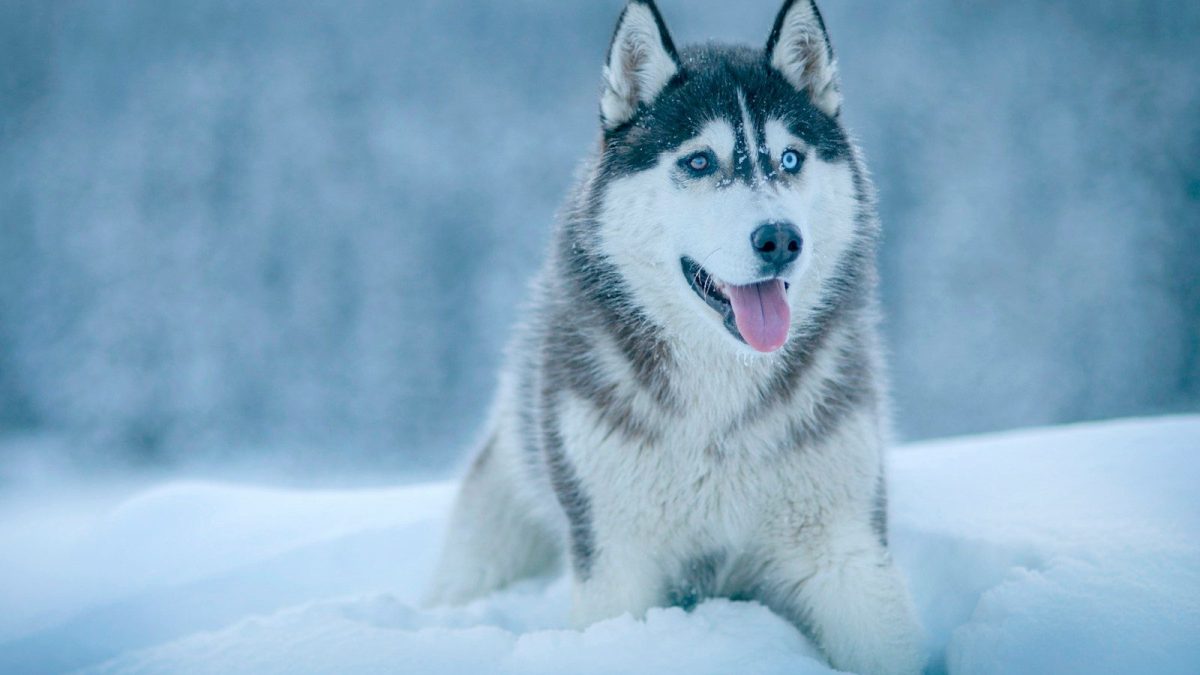
The Siberian Husky is a medium-sized working dog built for one thing: pulling a light load over long distances in brutal cold. That job still shapes everything about them. They’re athletic, tireless, and independent, with a thick double coat and those famous pale-blue (or brown, or one of each) eyes.
Huskies are also unusually friendly. This breed was raised living close to families, and most Sibes are outgoing and gentle with people — including strangers. That’s charming, but it also means they make poor guard dogs. A Husky is more likely to greet a burglar than warn you about one.
Here’s the thing to understand before you fall for the looks: a Husky’s independence and prey drive are not training failures, they’re the breed. They were bred to make decisions on the trail without a handler beside them. That’s fantastic in a sled team and frustrating in a suburban backyard when you’d like them to come when called. Most Huskies are joyful, mischievous dogs who need a lot from their people. Give them what they need and they’re wonderful. Fall short and they’ll redecorate your house.
Breed Origin & History
Siberian Huskies descend from sled dogs developed by the Chukchi people of northeastern Siberia, who bred them over centuries as endurance haulers and family dogs. The Chukchi needed dogs that could pull light loads across vast distances on minimal food, live peacefully with children, and survive extreme cold. Those pressures produced the efficient, hardy, people-friendly dog we know today.
The breed arrived in Alaska in the early 1900s, imported for sled races during the gold-rush era. Their reputation grew with the 1925 serum run to Nome, when relay teams of sled dogs carried diphtheria antitoxin across Alaska. Balto and Togo — Togo’s team covered the longest and most dangerous leg — became famous, and public interest in the breed climbed.
The American Kennel Club recognized the Siberian Husky in 1930. The FCI and AKC standards are broadly similar, though weight and height descriptions vary slightly between registries; this profile uses the AKC standard for US readers. The Siberian Husky Club of America serves as the AKC parent club. Worth noting: the Siberian Husky is a distinct breed from the larger Alaskan Malamute and from the non-standardized ‘Alaskan husky’ used in modern competitive racing.
Temperament & Personality
Huskies are friendly, playful, and genuinely social. Most love people, love other dogs, and love commotion. If you want a dog who’s thrilled to see your friends and happy in a busy household, this breed delivers.
They’re also independent thinkers. Centuries of trail work bred dogs who solve problems on their own, which reads as stubbornness at home. A Husky will often hear your command, understand it perfectly, and decide it’s not worth it. That’s not stupidity — Sibes are smart. It’s negotiation.
Two traits define daily life with this breed. First, prey drive. Most Huskies have a strong instinct to chase small animals, and many cannot be trusted off-leash or reliably with cats and small pets. Second, the escape drive. Huskies dig, climb, and bolt. A loose Husky doesn’t run away out of unhappiness — it runs because running is the entire point of the dog.
They’re vocal but rarely ‘barky.’ Instead they howl, whine, and produce a remarkable range of talkative noises. Charming to some owners, exhausting to close neighbors.
The trade-off is honest: the same friendliness that makes them poor guard dogs makes them delightful companions. The same drive that makes them incredible athletes makes them exhausting for a sedentary owner. Huskies are not difficult dogs — they’re demanding dogs who are only difficult when their needs go unmet.
Is This Breed Right for You?
A Siberian Husky suits someone active who wants a running, hiking, or bikejoring partner and will actually use them — think 60 to 90 minutes of hard exercise daily, most of it structured. Cold-climate owners, or at least anyone who won’t ask the dog to work hard in summer heat, have a real advantage. If you already run trails and want company, this may be your dog.
You need a secure yard. Not a low fence — Huskies clear four-foot fences and dig under the rest. Plan on six-foot fencing with dig protection, or accept that your dog is leashed anytime it’s outdoors. If you rent, if you have an open yard, or if you imagine a dog reliably off-leash at the park, cross this breed off your list. Most Huskies never earn trustworthy off-leash recall, no matter how good your training is.
Huskies do well in many households with kids, given supervision, and they’re often social with other dogs. But homes with cats, rabbits, or backyard chickens should think hard — prey drive is real and unpredictable.
This is not a good first dog for most people. Their independence frustrates novice owners who expect obedience to come easily. They shed enormously. They’re vocal. They need a job.
Who should skip this breed: apartment dwellers without a serious daily exercise plan, people wanting a guard dog, anyone who values a spotless house, hot-climate owners without air conditioning and shade discipline, and first-timers hoping for an easy, biddable companion. Get the match right and a Husky is a joy. Get it wrong and both of you will be miserable.
Care & Exercise Needs
Exercise comes first. Most Huskies need 60 to 90 minutes of real activity daily — running, hiking, canicross, bikejoring, or pulling. A slow leash walk around the block doesn’t count. An under-exercised Husky becomes a digging, howling, furniture-destroying tornado, and that’s the single most common reason they end up rehomed.
Mental work matters nearly as much. Rotate puzzle feeders, scent games, and short training sessions. Huskies bore fast, so keep training brief, upbeat, and reward-based. Harsh corrections backfire with this breed — they shut down or dig in. Recall training is worth doing, but treat off-leash freedom as a privilege most Sibes never fully earn.
Grooming is a genuine commitment. The double coat sheds year-round and ‘blows’ heavily twice a year, when they lose the entire undercoat in clumps over a few weeks. Expect to brush several times a week normally and daily during blows, with an undercoat rake and slicker. Do not shave a Husky — the coat insulates against heat as well as cold. They’re clean, low-odor dogs who need only occasional baths.
Heat management is critical. Huskies overheat easily. Exercise in cool parts of the day during summer, provide shade and water, and watch for signs of overheating.
Start socialization and leash training early. Secure your home before the dog arrives — fencing, latches, and a plan for what happens when a door opens. Huskies are opportunists, and the first loose sprint often happens in week one.
Health Considerations
Siberian Huskies are generally a hardy, long-lived breed, but a few conditions come up more often than average. This breed is known to have a higher incidence of certain inherited eye conditions, including juvenile cataracts, corneal dystrophy, and progressive retinal atrophy — which is why responsible breeding programs screen breeding dogs’ eyes.
Huskies also have a somewhat elevated incidence of hip dysplasia, though rates are lower than in many large breeds. Some lines carry an autoimmune skin and eye condition, and zinc-responsive dermatosis has been reported in the breed more than in dogs generally. Because Huskies are athletic and food-motivated in odd ways, some can be picky eaters while others gain weight easily; keeping them lean protects their joints.
Recommended health screening for this breed commonly includes hip evaluation and an ophthalmologist eye exam, consistent with guidance from the Siberian Husky Club of America and the Orthopedic Foundation for Animals. Ask about the health testing of a puppy’s parents.
The reassuring news: with good care, many Huskies live active lives into their early and mid-teens. Their working heritage tends toward soundness rather than the extreme structural exaggerations that plague some breeds.
Every dog is an individual, and breed tendencies are not diagnoses. For screening schedules, weight targets, dental care, parasite prevention, and any specific concern about your dog, consult your veterinarian.
Recommended Gear Categories
Start with containment. This breed needs a genuinely secure setup — tall fencing with a dig barrier, secure gate latches, and a leash or long line for anytime the dog is outside an enclosed space.
For walks, a well-fitted harness matters. Many owners choose a front-clip no-pull harness for everyday control, since Huskies are strong pullers, and a separate padded X-back or pulling harness if you plan to try canicross or bikejoring. A sturdy leash and, for training in open areas, a long line give freedom without the off-leash risk.
Grooming gear is non-negotiable: an undercoat rake and a slicker brush, plus a high-velocity dryer if you want to survive coat-blowing season. A robust vacuum helps more than any dog product will.
For mental work, invest in puzzle feeders, snuffle mats, and durable chew toys to burn energy on rainy or hot days. For summer, a cooling mat and access to shade and water help manage a breed that overheats easily. And a reliable ID tag plus microchip is smart insurance for a breed with a real talent for bolting. The editor will add specific product picks; the point here is the category, not the brand.
Similar Breeds to Consider
If you love the Husky look but want more dog and more guarding instinct, the Alaskan Malamute is worth a look. Malamutes are larger, stronger freight-haulers, generally more one-family-oriented and a bit more serious, though they share the heavy shedding, strong will, and prey drive. They’re not easier — just different.
If the athleticism appeals but you’d like a more trainable, work-focused partner, consider the German Shepherd or the Australian Shepherd. Both are high-energy and need real jobs, but both are far more biddable and will actually come when called, making them better fits for owners who want off-leash reliability, protection, or dog sports with clear obedience.
If you’re drawn to a friendly, striking, cold-weather dog but want something calmer and less driven to run, the Samoyed can be a gentler alternative — still a heavy-shedding, vocal spitz, but often softer and more family-focused. And if size is the real appeal, the Alaskan Klee Kai offers a Husky-like appearance in a smaller package, though it’s a distinct breed with its own temperament and needs. None of these is a low-maintenance dog, but each solves a different piece of the Husky’s demanding puzzle.