
Overview
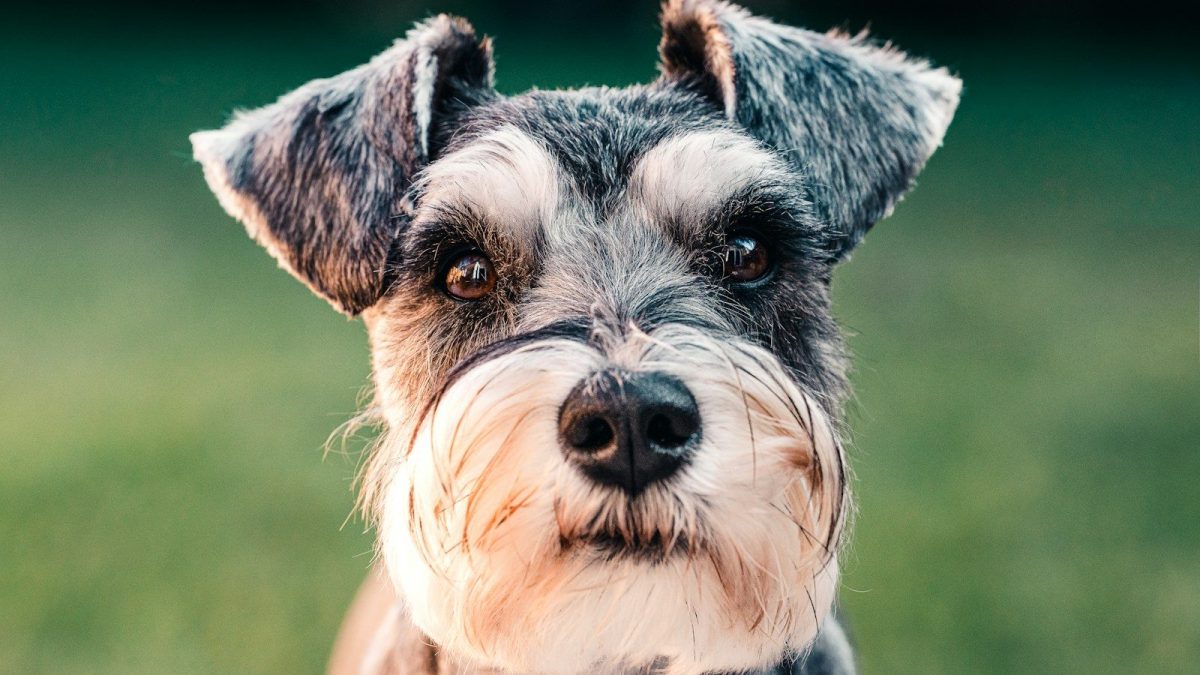
The Miniature Schnauzer is a small dog with a big personality and a face that looks perpetually opinionated. Standing about a foot tall with a wiry coat, distinctive eyebrows, and a beard that traps whatever it just ate, this is one of the most popular terriers in the United States — and for good reason. They’re portable, sturdy, sharp, and deeply attached to their people.
What sets the Mini Schnauzer apart from most terriers is a slightly softer, more biddable edge. They were bred to work alongside people rather than go it alone, so most are more trainable and more eager to please than a typical earthdog. That said, the terrier core is still there: they’re alert, quick to sound off, and convinced that every squirrel is a personal insult.
If you want a dog small enough for a lap but too busy to actually sit in it for long, the Miniature Schnauzer fits the bill. They shed very little, adapt well to apartments, and generally live long, healthy lives. The trade-off is noise, watchfulness, and a need to be included in family life — this is not a dog that thrives left alone all day.
Breed Origin & History
The Miniature Schnauzer traces back to late 19th-century Germany, where farmers wanted a smaller version of the Standard Schnauzer to work as a ratter and farm guard. Breeders scaled the Standard down, likely by crossing in smaller breeds such as the Affenpinscher and possibly the Poodle. The AKC recognized the breed in 1926.
The name comes from the German word ‘Schnauze,’ meaning muzzle or snout — a nod to that famous bearded face. Unlike its cousins the Standard and Giant Schnauzer, which the AKC places in the Working Group, the Miniature Schnauzer is classified as a Terrier in the US, reflecting its ratting job and terrier temperament.
Worth noting: the FCI and the breed’s German origins group Schnauzers together somewhat differently than the AKC does, and coat color standards vary by registry. The AKC recognizes salt and pepper, black and silver, and solid black. Some registries and breeders discuss additional colors that are not accepted in the AKC show ring. For a US audience, the AKC standard is the reference point here. The breed’s ratting heritage still shows up daily — in the prey drive, the digging, and the conviction that small moving things must be investigated.
Temperament & Personality
Miniature Schnauzers are bright, spirited, and involved. Most want to know what you’re doing and why they aren’t helping. They tend to bond closely with the whole family rather than fixating on one person, which makes them warm and sociable at home.
They’re smart — genuinely smart — which cuts both ways. A Mini Schnauzer picks up training quickly, but the same brain gets bored and inventive without a job. Boredom often shows up as barking, digging, or repurposing your shoes.
The barking deserves its own paragraph. This breed is vocal. They were bred to alert, and they take the assignment seriously. A leaf blows past the window, a delivery truck idles two houses down — you’ll hear about it. With training you can manage the volume, but you can’t turn a Schnauzer into a silent dog, and buyers who don’t understand this end up frustrated.
Most are friendly with people once introduced, though some are naturally wary of strangers at first. They’re typically great with children who respect them. Toward other dogs they’re usually fine; toward cats it depends on the individual and early socialization. Small pets like hamsters or gerbils are a genuinely bad idea — the ratting instinct is real. In short: affectionate, clever, busy, and loud. Wonderful company for the right person, a lot of dog for the wrong one.
Is This Breed Right for You?
The Miniature Schnauzer suits people who want a small, low-shedding dog that’s fully part of daily life. If you work from home, are retired, or have a household where someone is usually around, this breed thrives. They’re a strong fit for apartment and city living — provided you can commit to about 45–60 minutes of exercise a day plus real mental engagement, and provided your walls and neighbors can tolerate an alert barker.
They’re excellent for allergy-conscious households. The wiry coat sheds minimally, so people who react to heavier-shedding breeds often do well with a Schnauzer — though no dog is truly hypoallergenic, and dander still exists.
They’re good with kids old enough to handle a dog gently, and they’re a reasonable first dog for an owner willing to do consistent training. First-timers should go in knowing the breed is clever enough to train you if you’re inconsistent.
Who should skip this breed: anyone who needs a quiet dog, anyone in a noise-sensitive living situation who can’t invest in bark training, and anyone who’s gone 10 hours a day with no plan for the dog. Left alone and under-stimulated, Mini Schnauzers get loud and destructive. Also skip if you keep small caged pets, or if you want a low-effort dog you can mostly ignore — this breed does not do ‘furniture.’ Finally, the wiry coat needs regular professional grooming, so factor that cost and time in before you commit.
Care & Exercise Needs
Exercise: Plan on 45–60 minutes daily, split into two walks plus play. A Mini Schnauzer doesn’t need a marathon, but it does need consistent activity and a chance to sniff, explore, and burn mental energy. Fetch, food puzzles, and short training sessions all count.
Mental stimulation: This is non-negotiable. Rotate puzzle feeders, teach new tricks, and consider dog sports like earthdog trials, rally, or scent work — Schnauzers often excel and love having a job. Ten to fifteen minutes of training a day does more for behavior than an extra walk.
Grooming: The wire coat needs brushing two or three times a week to prevent mats, especially in the beard and leg furnishings. Most pet owners have their Schnauzer clipped by a groomer every 5–8 weeks; show dogs are hand-stripped instead, which preserves the harsh coat texture. Clean the beard regularly — it collects food and water — and stay on top of nails and ear care.
Training approach: Reward-based, consistent, and started early. These dogs respond poorly to heavy-handed correction and beautifully to praise, food, and clear boundaries. Prioritize socialization and, early on, teach a ‘quiet’ cue — managing the barking is far easier when you begin as a puppy than when you try to fix it in an adult. Because they’re smart and a little stubborn, keep sessions short and interesting.
Health Considerations
Miniature Schnauzers are generally hardy and long-lived, but the breed is known to have a higher incidence of certain conditions worth understanding before you commit. They have a notable predisposition to hyperlipidemia (elevated fats in the blood), which is linked in the breed to a higher risk of pancreatitis — one reason many owners are careful about fatty foods and table scraps.
The breed is also known to have a higher incidence of certain eye conditions, including cataracts and progressive retinal atrophy, and responsible testing programs screen for these. Bladder and kidney stones (urolithiasis) appear more often in this breed than in many others. Some lines carry an increased risk of a heart condition and of comedone syndrome, sometimes called ‘Schnauzer bumps,’ a skin condition affecting the back.
Weight management matters — extra pounds compound several of the above risks. Because of the pancreatitis association, watch what your dog eats and be cautious with sudden high-fat treats.
None of this means your dog will develop these problems; breeds have tendencies, not guarantees, and many Mini Schnauzers live healthy lives into their mid-teens. But it does mean you should ask about health testing and watch for early signs. Always consult your veterinarian about screening, diet, and any symptoms specific to your individual dog.
Recommended Gear Categories
A few categories matter for this breed. First, grooming tools: a slicker brush and a metal comb for the beard and leg furnishings, since mats form fast there. If you plan to maintain the coat yourself between groomer visits, look into clippers designed for wiry coats.
Because many Schnauzers pull toward interesting smells, a well-fitted harness rather than a collar-only setup protects the neck and gives you better control on walks. Look for one that doesn’t rub the front legs.
For mental work, invest in puzzle feeders and treat-dispensing toys — this breed genuinely needs the challenge, and food puzzles double as slow feeders. A snuffle mat is a cheap, effective way to satisfy the sniffing drive indoors.
For the beard, a small stash of quick-dry towels near the water bowl saves your floors. And if barking at the window is an issue, window film that blocks the low view can reduce the number of triggers your dog reacts to.
Similar Breeds to Consider
If you love the Schnauzer look but want more or less dog, the family itself offers options. The Standard Schnauzer is bigger, needs more exercise, and makes a more serious watchdog — a better pick if you want a medium-sized, protective companion with the same wiry coat and low shedding. The Giant Schnauzer takes that further and is a genuine working breed best suited to experienced, active owners.
If the low-shedding, terrier-ish personality appeals but you’d like a slightly calmer, less vocal dog, consider the Bichon Frise or the Poodle (Toy or Miniature). Both shed minimally and are highly trainable, and the Poodle in particular shares the Schnauzer’s intelligence without quite the same alarm-barking reputation.
And if you specifically want a small, sharp terrier and the barking isn’t a dealbreaker, the Cairn Terrier or West Highland White Terrier offer a similar spirited, ratter personality in a compact package — though both shed more than a Schnauzer and neither has that softer, more people-pleasing edge that makes the Mini Schnauzer easier for many first-time owners.