
Overview
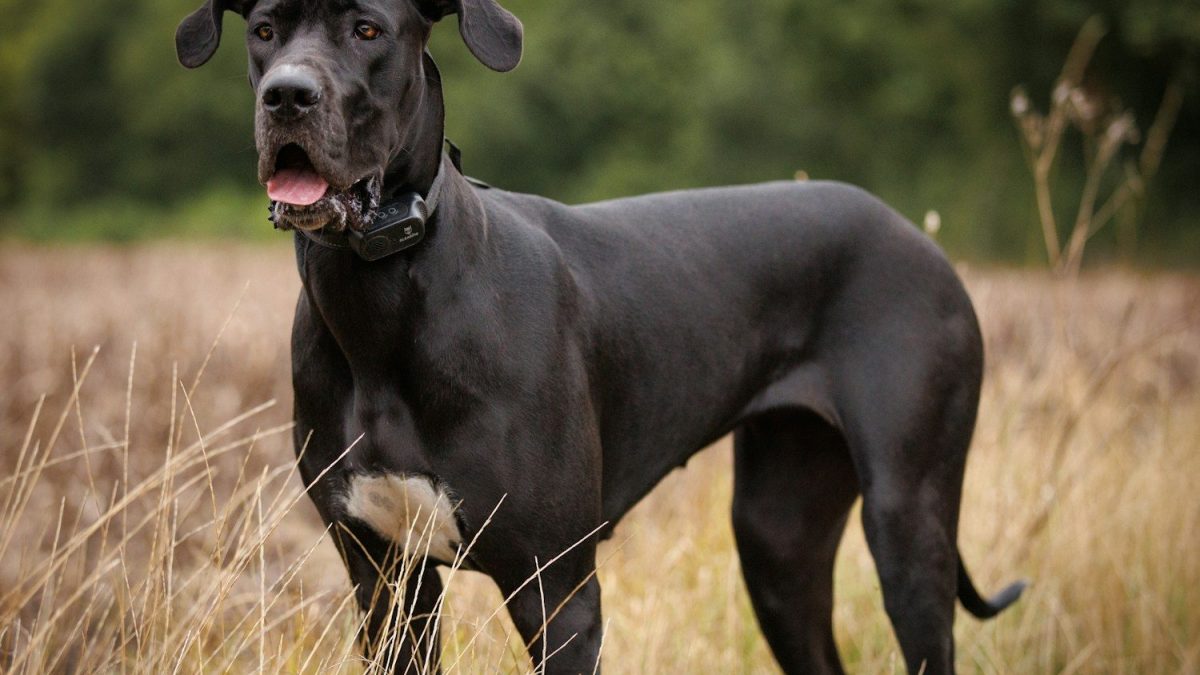
The Great Dane is a giant working breed built on a paradox: it looks like a guard dog and often acts like a couch cushion with legs. Most Danes are calm, people-oriented, and deeply attached to their families. They were bred to hunt boar and guard estates, but the modern Dane is primarily a companion — a big, leaning, sighing presence that wants to be in the same room as you at all times.
Size is the headline. Males stand at least 30 inches at the shoulder and commonly weigh 140–175 pounds; females run slightly smaller. That scale shapes everything about ownership: food costs, medication doses, vet bills, the size of your car, and whether your guests are comfortable when a dog the size of a pony rests its head on their dinner plate.
Danes are typically gentle and even-tempered, but they are not low-maintenance despite their moderate exercise needs. The real cost is emotional and financial. This is a breed with a short lifespan and serious health risks, and most owners fall hard for a dog they know they’ll lose sooner than they’d like. Going in clear-eyed matters more with this breed than with almost any other.
Breed Origin & History
The Great Dane is German, not Danish, despite the name. The breed descends from large mastiff- and greyhound-type dogs used across Europe to hunt wild boar — a dangerous quarry that required a dog with both power and speed. By the 16th and 17th centuries, German nobility kept these dogs as estate guardians and hunting companions, often housed indoors as prized ‘chamber dogs.’
German breeders formalized the type in the 19th century, and the breed’s German name, Deutsche Dogge, reflects that origin. The English name ‘Great Dane’ likely came from a French naturalist’s earlier reference to a ‘grand Danois,’ and it stuck in English-speaking countries even though Denmark had little to do with the breed’s development.
The American Kennel Club recognized the Great Dane in 1887, and it sits in the AKC Working Group. Over time, breeders shifted the Dane away from its fierce boar-hunting temperament toward the steady, affectionate companion recognized today. Note that weight and height standards vary slightly between registries — the AKC standard emphasizes minimum heights (30 inches for males, 28 for females) without a strict weight cap, while the FCI standard sets its own detailed proportions. For US readers, the AKC standard is the reference point. The breed’s popularity in pop culture — from Scooby-Doo to Marmaduke — cemented its image as a lovable, oversized goofball, which is closer to the truth than the boar-hunting past suggests.
Temperament & Personality
Most Great Danes are calm, gentle, and affectionate to the point of being clingy. They are true ‘velcro dogs’ — they follow you room to room, lean their full weight against your legs, and often try to climb into laps that cannot possibly hold them. If you want a dog that gives you space, this is the wrong breed.
They are typically friendly with their families and reserved-to-warm with strangers. A well-socialized Dane is patient and steady, not high-strung. But their size makes early training and socialization non-negotiable. A friendly 40-pound puppy who jumps on guests becomes a 150-pound adult who can knock over a child or an elderly relative without meaning any harm. Bad habits that are cute at 4 months are dangerous at 18 months.
Danes are sensitive dogs. They respond poorly to harsh corrections and do best with calm, consistent, reward-based training. Many are somewhat stubborn in a lazy way — they understand what you want and simply weigh whether it’s worth getting up. They can also be sensitive to household tension and prone to separation-related stress, since being alone runs against their whole nature.
The trade-off is honest: the same devotion that makes a Dane a wonderful companion makes it a poor fit for people who travel constantly, work long days away from home, or want an independent dog. Their gentleness is real, but it comes packaged in a dog that needs your presence and your guidance more than most.
Is This Breed Right for You?
A Great Dane suits people with real space, a real budget, and a genuine desire for a close, indoor companion. That means homeowners or renters with landlord approval, a home where a giant dog can stretch out, and a car that can actually transport one. It also means a household that’s home often — retirees, remote workers, or families where someone is usually around. Danes are people-dependent and do not thrive left alone for long workdays.
Budget honestly. Beyond food (a Dane eats a lot), you’re looking at giant-breed doses for any medication, larger and pricier gear, and a genuine risk of emergency surgery for bloat that can run into thousands of dollars. Pet insurance or a dedicated savings fund is a serious consideration, not a luxury.
This breed fits people who want an affectionate, relatively low-energy giant — a dog happy with a couple of good walks and then a long nap on (or near) you. It does not fit people who want a running or hiking partner for high-mileage days; young Danes especially should not be over-exercised while their joints develop.
Who should skip the Great Dane: first-time owners who underestimate the training required, people who want a dog that entertains itself, anyone unwilling to face a lifespan of roughly 7–10 years, and households with very small children who could be knocked over. Also skip it if you rent in a small space without a plan for stairs, slick floors, and a dog that takes up half the couch. Choose this breed because you want the leaning, sighing, devoted presence of a gentle giant — and you’ve made peace with loving something you’ll lose too soon.
Care & Exercise Needs
Exercise is moderate but must be age-appropriate. Adult Danes typically do well with 30–60 minutes of daily activity — two or three walks plus some yard time or gentle play. They are sprinters, not marathoners, and they are prone to overheating, so avoid hard exercise in heat. Critically, do not jog, over-jump, or heavily exercise a Dane under about 18–24 months, because their giant-breed joints are still developing and high-impact activity can cause lasting damage.
Mental stimulation matters more than raw mileage. Short training sessions, food puzzles, scent games, and simply being included in family life keep a Dane content. A bored, under-attended Dane can become destructive — and a Dane’s destruction is done at scale.
Grooming is easy. The short, single coat needs a weekly brush, more during seasonal sheds. Danes shed steadily and, given their size, produce a surprising volume of hair. Bathe as needed, keep nails short (long nails are hard on giant-breed feet), and check ears and teeth regularly.
Training should start the day you bring the puppy home. Prioritize loose-leash walking, a solid ‘off’ and ‘leave it,’ and no jumping — these are safety issues at this size, not manners. Use reward-based methods; Danes shut down under harshness. Socialize widely and early with people, dogs, surfaces, and noises. Because bloat is a major risk, many owners feed smaller meals from a raised or slow-feeder bowl and avoid vigorous activity right around mealtimes — discuss a feeding plan with your veterinarian rather than relying on general advice.
Health Considerations
Great Danes are one of the shortest-lived dog breeds, with a typical lifespan of about 7–10 years — a hard fact worth confronting before you commit. Their size drives most of their health risks.
This breed is known to have a higher incidence of gastric dilatation-volvulus (bloat), a sudden, life-threatening twisting of the stomach that is a true emergency; every Dane owner should learn to recognize the signs. Danes are also known for a higher incidence of dilated cardiomyopathy and other heart conditions, which is why many owners pursue regular cardiac screening. Orthopedic issues including hip dysplasia and osteoarthritis are common in giant breeds, as is a raised risk of osteosarcoma (bone cancer). Some Danes are affected by hypothyroidism and by wobbler syndrome, a neck-related neurological condition seen in large breeds.
Responsible breeding programs screen breeding dogs for hip, heart, thyroid, and eye conditions, and breed parent club health resources describe recommended testing. Because Danes grow so fast, appropriate large-breed puppy nutrition and controlled growth also play a role in long-term joint health.
None of this is meant to diagnose or scare you off — it’s the reality of a giant breed, and many Danes live full, happy lives. But the medical stakes are higher and the timeline is shorter than with most breeds. For guidance on screening, nutrition, bloat prevention strategies, and any symptoms, consult your veterinarian, who can advise based on your individual dog.
Recommended Gear Categories
Size drives every gear decision for a Great Dane. Look for a well-fitted, wide-strapped harness or a martingale-style collar sized for giant breeds — a strong Dane that pulls needs equipment that distributes pressure rather than choking. A sturdy leash with a comfortable, secure handle helps you keep control of a dog that may outweigh you.
Feeding gear matters more here than for most breeds. Given bloat risk, many owners choose slow-feeder or raised bowls and manage meal timing; talk to your vet about what’s right for your dog. An extra-large, orthopedic-grade bed is close to essential — Danes are heavy and prone to pressure sores and joint discomfort on hard floors, and they will sleep a lot.
Around the house, consider ramps or steps for the car and traction runners on slick floors, which are hard on a giant dog’s joints and can cause slips. Look for giant-breed-appropriate crates and gates if you crate train, and cleanup gear that can handle a big dog’s shedding. Your editor adds specific product picks; use these categories as your shopping checklist.
Similar Breeds to Consider
If you love the Great Dane’s gentle-giant nature but want to weigh alternatives, a few breeds are worth considering. The Mastiff (English Mastiff) is even more massive and more of a stay-at-home guardian — a good choice if you want maximum size and a calmer, more protective temperament, though it comes with similar giant-breed health and lifespan concerns plus more drool.
The Greyhound offers some of the Dane’s sighthound elegance and surprising couch-potato tendencies in a far more affordable, easier-to-house package. Adult Greyhounds are quiet, gentle, and famously lazy indoors, with fewer catastrophic size-related costs — a strong option if the Dane’s scale and vet bills give you pause.
The Bernese Mountain Dog appeals to people drawn to a big, affectionate family dog with a friendlier-to-strangers streak and a beautiful coat, though it also has a short lifespan and heavy shedding, and it needs cooler climates. And for someone who wants a large, devoted companion with a longer expected lifespan and more energy for activity, the Standard Poodle is worth a look — smart, trainable, low-shedding, and far less prone to the giant-breed timeline that defines Dane ownership.