
Overview
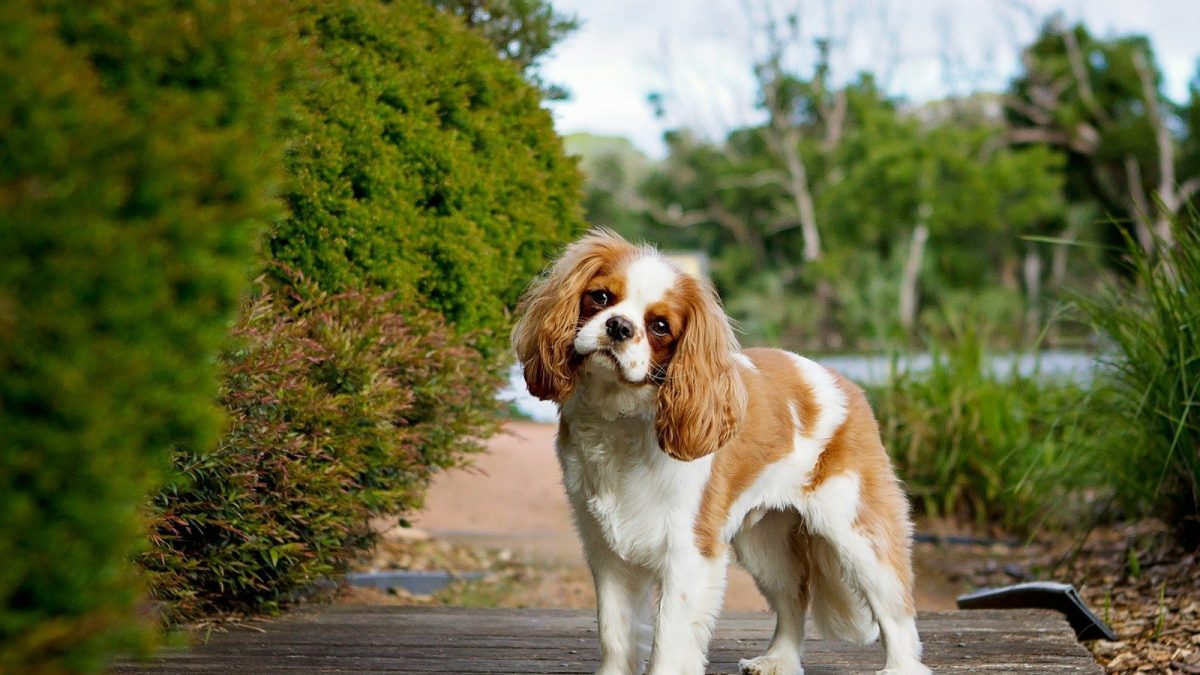
The Cavalier King Charles Spaniel is a toy breed with a spaniel’s soul. Small enough to curl up on your lap, but bred from hunting stock, so many still love a hedgerow to sniff and a bird to watch. The face is the first thing people notice — big, round, dark eyes and long feathered ears that give the breed its famously sweet expression.
What sets the Cavalier apart is temperament. This is a dog built to be with people. Not near people — with them. On the couch, at your feet, following you from room to room. If you’ve wanted a genuine companion dog rather than a working partner or a watchdog, the Cavalier is one of the purest examples of the type.
They come in four recognized colors: Blenheim (chestnut and white), tricolor, black and tan, and ruby. All share the same easygoing personality. They’re small, they’re portable, and they adapt to apartments and houses equally well. But the Cavalier comes with real health caveats that anyone considering the breed needs to understand before falling for that face — we cover those honestly below.
Breed Origin & History
The Cavalier traces back to the small spaniels favored by English royalty in the 16th and 17th centuries. King Charles II was so devoted to his toy spaniels that the breed carries his name. These early dogs appear in paintings by Van Dyck and other court artists, and they had longer noses than the flat-faced ‘King Charles Spaniel’ that later became fashionable in the 1800s.
By the early 20th century, the flatter-faced type dominated. In the 1920s an American named Roswell Eldridge offered prize money at Crufts for dogs that resembled the older, longer-nosed spaniels seen in those antique portraits. Breeders responded, and the resulting dogs became a separate breed: the Cavalier King Charles Spaniel, distinct from the King Charles Spaniel (known in the US as the English Toy Spaniel).
The Cavalier was recognized by the UK Kennel Club in 1945. The American Kennel Club fully recognized the breed in 1995, placing it in the Toy Group, where it has since become one of the more popular toy breeds in the US. The FCI classifies it in Group 9 (Companion and Toy Dogs). Despite the spaniel heritage, the modern Cavalier was developed and refined as a companion, not a serious field dog — though the hunting instincts haven’t entirely disappeared.
Temperament & Personality
Cavaliers are affectionate to a fault. They want to be touching you, and they’re happiest when the whole family is home and someone’s lap is available. This makes them delightful company and also means they generally do not cope well with being alone. Separation-related stress is common in the breed. If your household is empty eight or ten hours a day, this is a genuine mismatch.
They’re gentle with children and typically friendly with strangers — a Cavalier is more likely to greet a burglar than bark at one. Most get along well with other dogs and cats. This sociability is the whole point of the breed, but it also means they make poor guard dogs and can be too trusting for their own safety.
The spaniel background shows up in two ways. First, prey drive: many Cavaliers will chase birds, squirrels, and cars if given the chance, which is why a securely fenced yard and a reliable leash matter. A Cavalier off-leash near a road is a risk. Second, a genuine love of sniffing and exploring — they’re not purely decorative lap dogs.
They’re sensitive. Harsh corrections shut them down. They respond to a warm, upbeat handler and wilt under a stern one. Most Cavaliers are quiet dogs who bark to alert but aren’t yappy by toy-breed standards. The overall picture is a soft, loving, slightly needy companion who asks for very little except your presence — which is exactly the demand some owners can’t meet.
Is This Breed Right for You?
The Cavalier suits someone who is home a lot and wants a constant companion. Retirees, people who work from home, families where someone is usually around — these are the ideal homes. The breed is a strong fit for apartment living, provided you commit to two or three walks a day and don’t mind a dog underfoot. First-time owners do well with Cavaliers because they’re easy to handle, eager to please, and forgiving of beginner mistakes.
They’re a good match for households with gentle children and other pets. They’re small enough for people with limited strength to manage, and calm enough for many older owners — though the grooming and the potential vet costs are real considerations at any age.
Here’s who should look elsewhere. If you’re away from home for long stretches, the Cavalier’s need for company becomes a welfare problem, not a quirk. If you want a watchdog or a dog with an independent streak, this isn’t it. If you have a busy road and no fenced yard, the breed’s prey drive and trusting nature are a dangerous combination.
And the biggest one: if you can’t budget for potentially significant veterinary care, think hard. The Cavalier has well-documented, breed-wide health issues — particularly involving the heart — that can lead to real expense and heartbreak. This is not a breed to buy on impulse from an unscreened litter. Anyone serious about a Cavalier should research the breed’s health thoroughly and plan for the possibility of ongoing care. Love for the breed means going in with open eyes.
Care & Exercise Needs
Exercise needs are moderate. Aim for roughly 45–60 minutes of activity a day, split into a couple of walks plus some play. Cavaliers enjoy a good sniffy amble more than a hard run, and they’re happy to match your pace — but don’t mistake their willingness to nap for a dog that needs nothing. A bored, under-exercised Cavalier gains weight easily, and excess weight is hard on a breed already prone to heart issues.
Because of the spaniel prey drive, keep them leashed near roads and only allow off-leash freedom in secure areas. Recall can be unreliable when a squirrel is involved.
Grooming is moderate but consistent. The silky coat needs brushing two or three times a week to prevent mats, with special attention to the feathering on the ears, legs, and feet. The long ears trap moisture and debris, so check and clean them regularly. Expect steady, moderate shedding year-round. Trim the fur between paw pads and keep nails short.
Mental stimulation matters more than people assume for a lap breed. Short training sessions, food puzzles, and gentle scent games keep them engaged. Training should be positive and upbeat — reward-based methods work beautifully because Cavaliers genuinely want to please. They’re sensitive to tone, so drop the harsh corrections entirely.
Because they’re companion dogs, build tolerance for alone time gradually and early: short absences, a comfortable space, and calm departures help reduce separation stress. Watch their weight closely with measured meals rather than free-feeding — an overweight Cavalier is at greater risk from the breed’s health problems.
Health Considerations
This section deserves honesty, because the Cavalier carries some of the most serious breed-wide health concerns of any popular dog. The breed is known to have a very high incidence of mitral valve disease (MVD), a degenerative heart condition. Many Cavaliers develop a heart murmur in their lifetime, and MVD is a leading cause of death in the breed, often appearing earlier than in other breeds. Reputable programs screen breeding dogs’ hearts, and prospective owners should ask about this directly.
The breed also has a higher incidence of syringomyelia (SM) and Chiari-like malformation, neurological conditions related to skull and spinal structure that can cause pain and discomfort. Signs owners sometimes notice include repeated scratching at the neck or shoulder area, though only a veterinarian can evaluate this properly.
Other conditions seen more often in Cavaliers include patellar luxation (slipping kneecaps), certain eye conditions, and ear problems related to the heavy, low-set ears. Hip dysplasia occurs as well. Because the breed is small and prone to weight gain, keeping them lean protects both joints and heart.
The breed’s lifespan is typically around 12–15 years, though heart disease can shorten it. None of this means every Cavalier will be sick — but the population-level risks are real and well documented, and they should inform your budget and your expectations. Screening of breeding animals genuinely matters here.
This is general information, not a diagnosis. Talk to your veterinarian about health screening, weight management, and any symptoms you notice in your dog.
Recommended Gear Categories
A well-fitted harness rather than a neck collar is a sensible default for a Cavalier — it takes pressure off the throat, which matters for a small dog, and gives you better control near roads where their prey drive can kick in. Look for a soft, adjustable Y-front harness sized for toy breeds.
Grooming gear should include a pin brush and a slicker for the feathering, a metal comb for working through the ear fringes, and blunt-tipped scissors for tidying paw fur. Gentle ear-cleaning supplies help you keep the long ears healthy between vet visits.
Because Cavaliers gain weight easily, a measuring cup or kitchen scale for portioning food is genuinely useful, and food-puzzle toys help slow fast eaters while providing mental work. A supportive, washable bed suits a dog that spends a lot of time resting, and for a breed this attached to its people, a crate or cozy den space can help with gradual alone-time training. Choose product specifics based on your dog’s exact size and your vet’s guidance.
Similar Breeds to Consider
If you love the Cavalier’s affectionate nature but want to weigh alternatives, a few breeds are worth considering. The English Toy Spaniel (the flatter-faced cousin the Cavalier was bred away from) offers a similar devoted temperament in a slightly smaller, more reserved package — a better fit if you want a quieter, less outgoing dog. Keep in mind it has its own brachycephalic considerations.
The Bichon Frise is a cheerful companion breed that sheds far less, which appeals to allergy-conscious owners, though it needs more frequent professional grooming and tends to be more energetic and playful than the mellow Cavalier. The Papillon is another sociable toy option — smarter and more trainable, with far fewer of the Cavalier’s heart concerns, but also more active and busy-minded, better suited to someone who wants a little dog with a job to do.
Finally, the Coton de Tulear or the Havanese both offer the velcro-dog devotion Cavaliers are known for, with lower shedding and generally fewer breed-specific health worries. If the Cavalier’s health profile gives you pause but you still want a small, loving companion glued to your side, these two are worth a serious look.