
Overview
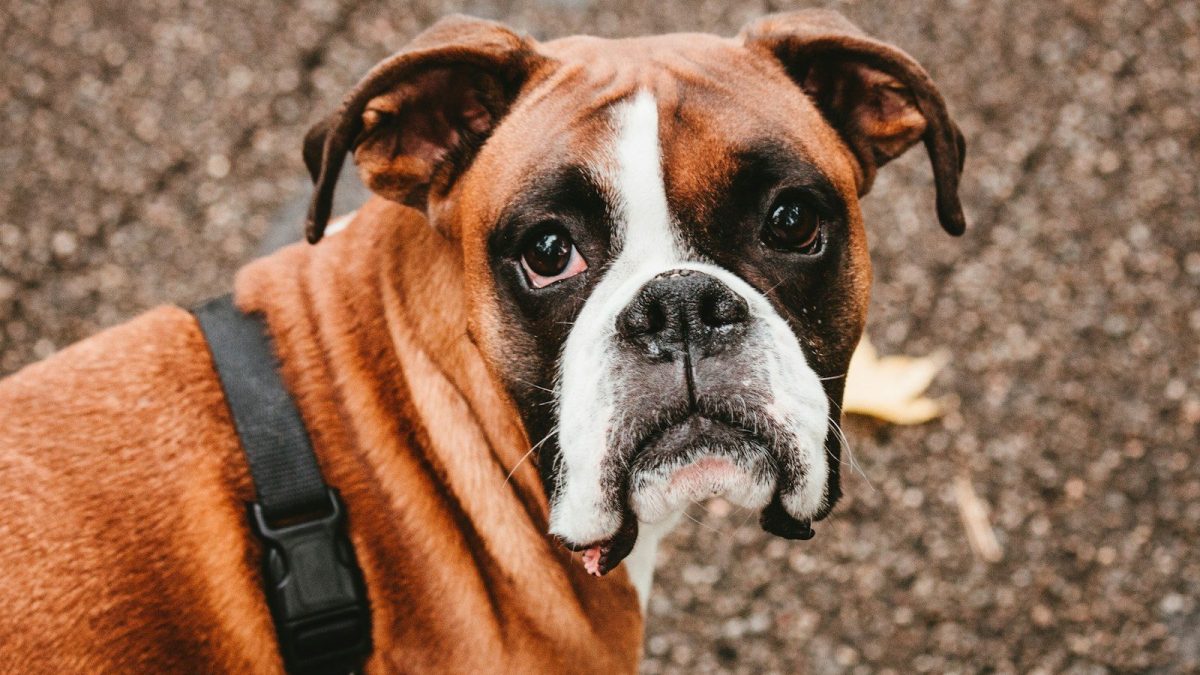
The Boxer is a medium-to-large working dog built like an athlete and behaving, for most of its life, like an overgrown puppy. Square jaw, wrinkled brow, and a body that seems designed to bounce — this is a breed that greets the world with its whole self. They were bred to be guard dogs and companions, and both jobs still show up in their behavior: watchful with strangers, ridiculous with the people they love.
What surprises most first-time Boxer owners is how emotionally connected these dogs are. A Boxer wants to be in the room with you. Not in the yard, not in a crate down the hall — with you. That intensity of attachment is the breed’s defining trait, and it drives both its best and worst qualities.
Boxers stay mentally immature longer than many breeds, often not settling into adult calm until three years or older. Pair that with real physical strength and you get a dog that needs consistent training and steady daily exercise. Done right, a Boxer is one of the most fun, affectionate companions you can own. Done wrong — bored, under-exercised, left alone too much — a Boxer becomes destructive and anxious fast.
Breed Origin & History
The Boxer was developed in Germany in the late 1800s, descended from the now-extinct Bullenbeisser (a heavier German hunting dog used to hold large game) crossed with a Bulldog type imported from England. Breeders in Munich standardized the modern Boxer, and the first breed club, the Deutscher Boxer Club, formed in 1895.
Early Boxers worked as hunting and holding dogs, then found roles as cattle dogs, guard dogs, and among the first breeds used for police and military work in Germany. Their intelligence and trainability made them valuable as messenger and guard dogs during both World Wars, which is also how the breed spread beyond Germany as returning soldiers brought them home.
The American Kennel Club recognized the Boxer in 1904, and the breed climbed steadily in U.S. popularity through the mid-20th century, peaking as one of America’s favorite family dogs in the 1950s. The AKC places the Boxer in the Working Group. Worth noting: the FCI standard (Germany is the breed’s country of origin) and the AKC standard describe a very similar dog, though ear cropping and tail docking — historically common — are now banned or discouraged in much of Europe and are increasingly avoided by U.S. owners as well. The breed’s name likely comes from its tendency to ‘box’ with its front paws when playing.
Temperament & Personality
A Boxer’s personality is big, warm, and a little chaotic. Most are affectionate to the point of clinginess, patient and playful with children, and enthusiastically social with people they trust. They are famous clowns — they’ll clown for attention, and they clearly enjoy making you laugh.
The trade-off is intensity. That devotion means a Boxer typically does not do well left alone for long stretches. Separation anxiety is common, and a lonely, bored Boxer will chew, dig, bark, and pace. The same drive that makes them fun playmates makes them exhausting for someone who wanted a low-key dog.
Boxers are naturally protective. Most are watchful and will alert to strangers, and a well-socialized Boxer distinguishes clearly between welcome guests and genuine threats. Poorly socialized ones can be reactive or wary. Early, consistent socialization is not optional with this breed.
They’re smart and eager to please, but they also have a stubborn, independent streak and a long adolescence. They can be mouthy and jumpy when excited — a real issue given their size and strength. With other dogs, temperament varies; some Boxers are dog-social, others (particularly same-sex pairs) can be pushy or scrappy. They’re best described as enthusiastic, loyal, sensitive dogs who need a job, a routine, and a person who’s genuinely present. This is not a breed you can raise on autopilot.
Is This Breed Right for You?
A Boxer suits an active household where someone is home much of the day, or where the dog goes along for the ride. If you work from home, have a flexible schedule, or can bring your dog into your daily life, a Boxer will thrive. Families with kids old enough to handle a bouncy 60-pound dog often love them — Boxers are famously good with children they’re raised alongside, though their exuberance can knock over a toddler by accident.
You should be someone who genuinely enjoys daily exercise and won’t resent it on a rainy Tuesday. A Boxer needs 60–90 minutes of real activity every day, plus mental work. If your idea of a dog is one who mostly naps while you scroll your phone, this is the wrong breed.
This breed is a poor fit if you’re gone 9–10 hours a day with no midday break — the loneliness will surface as destruction and anxiety. It’s also a hard match for people who want a dog that’s calm and settled by age one; expect two to three years of puppy energy. First-time owners can succeed with a Boxer, but only if they’re committed to training and honest about the time cost.
Consider the physical reality too: Boxers are strong, can pull hard on leash, drool (some more than others), and snore. They’re a brachycephalic breed, so they struggle in heat and shouldn’t do heavy exercise in hot, humid weather. If you live somewhere with brutal summers, you’ll be planning walks around the temperature. Apartment living is possible with a dedicated owner, but only if the exercise happens no matter what.
Care & Exercise Needs
Exercise is the non-negotiable. Plan on 60–90 minutes daily, split into at least two sessions — a brisk walk, a game of fetch, off-leash running in a safe space, or dog-sport work like agility or flyball. Boxers love having a job. Mental stimulation matters just as much: puzzle feeders, training sessions, and scent games help burn the energy that would otherwise turn into chewing.
Because they’re brachycephalic (short-muzzled), never exercise a Boxer hard in heat or humidity. Aim for cooler parts of the day in summer, watch for heavy panting, and always have water and shade available.
Training should start early and stay positive. Boxers are sensitive and shut down under harsh handling, but they respond well to reward-based methods, short varied sessions, and clear consistency. Prioritize loose-leash walking, a reliable recall, and impulse control around jumping and mouthing — a jumping Boxer is a hazard to kids and older adults. Socialize widely in the first year.
Grooming is easy. The short, smooth coat needs a weekly brush and the occasional bath. Boxers shed moderately year-round — more than people expect from a short coat. Trim nails every few weeks, brush teeth regularly, and check the facial and jowl folds and ears for cleanliness. Many Boxers drool, especially around food and water, so keep a towel handy.
Diet matters for this deep-chested, athletic breed; feed measured meals rather than free-feeding, and talk to your vet about feeding routines that reduce bloat risk.
Health Considerations
Boxers are, unfortunately, a breed with several serious health considerations, and prospective owners should go in clear-eyed. The breed is known to have a higher incidence of certain cancers, including mast cell tumors and lymphoma, than many other breeds. Cardiac disease is also a real concern — Boxers are known to be predisposed to a condition often called Boxer cardiomyopathy (arrhythmogenic right ventricular cardiomyopathy) as well as aortic/subaortic stenosis.
As a brachycephalic breed, some Boxers experience breathing difficulty and reduced heat tolerance; the degree varies with how moderate the individual dog’s muzzle is. They’re also known to have a higher incidence of hip dysplasia, hypothyroidism, and a spinal condition called degenerative myelopathy, for which genetic testing exists. As a deep-chested dog, bloat (gastric dilatation-volvulus) is a risk to understand and watch for.
The breed’s lifespan is relatively short for its size, typically around 10 to 12 years. Reputable breeders test breeding dogs for cardiac and other heritable conditions, and organizations like the American Boxer Club and OFA publish recommended health screenings.
None of this means every Boxer will get sick — plenty live full, healthy lives — but the odds warrant a good relationship with a vet and a willingness to budget for care. Please consult a veterinarian for guidance specific to your dog, including screening schedules, weight management, and anything you notice that seems off.
Recommended Gear Categories
Because Boxers are strong and can pull, look for a well-fitted no-pull harness with a front clip rather than relying on a neck collar for walks — it gives you control without straining a short-muzzled dog’s airway. A sturdy leash with a comfortable handle helps on an enthusiastic dog.
Durable, tough chew toys and food-dispensing puzzle toys are worth investing in; Boxers are powerful chewers and easily bored, so flimsy toys don’t last and don’t help. A slow-feeder bowl can help this fast-eating, deep-chested breed slow down at meals.
Because they tolerate cold poorly (short coat) and heat poorly (short muzzle), a warm dog coat for winter walks and cooling gear or a cooling mat for summer are genuinely useful, not gimmicks. A crate sized for a large dog helps with house-training and gives an anxious Boxer a den. Keep a drool towel by the door if your individual dog is a drooler.
Similar Breeds to Consider
If you love the Boxer’s playful, people-focused personality but want to weigh alternatives, a few breeds are worth comparing. The Bullmastiff shares Boxer ancestry and protective instincts but is calmer, more independent, and far less bouncy — a better pick if you want a devoted guardian without the relentless energy, though it’s much larger and also has a short lifespan.
The Vizsla matches the Boxer’s affection, velcro attachment, and athleticism, with a shorter adolescence and fewer of the brachycephalic breathing issues. If you’re an active person who runs or hikes and wants a similarly loving dog that tolerates exercise in more conditions, a Vizsla may suit you better — but they’re every bit as prone to separation anxiety.
For families drawn to the Boxer’s kid-friendly clowning but wanting something a touch steadier, the Labrador Retriever offers similar warmth, trainability, and enthusiasm with an easier temperament for first-time owners and generally more robust health. And if the Boxer’s protective side appeals but you want a more trainable, work-focused dog, the Doberman Pinscher is sleeker, sharper, and highly trainable — though it needs an experienced, dedicated owner and carries some overlapping cardiac concerns.