
Overview
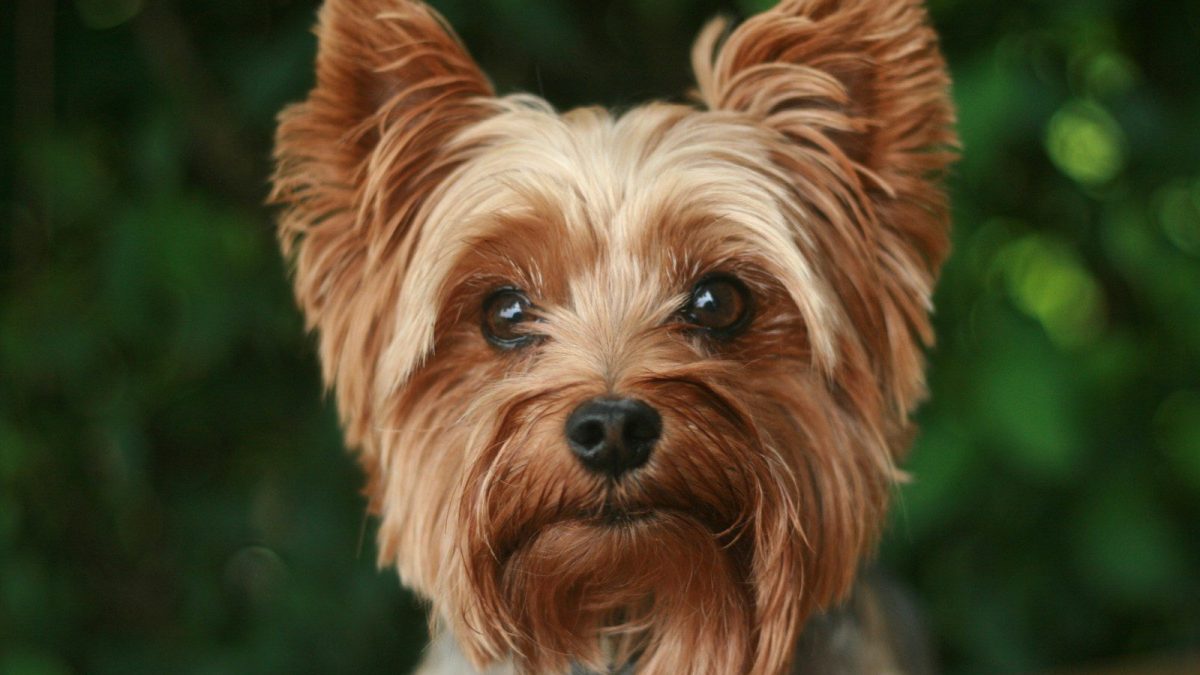
The Yorkshire Terrier is a toy dog with a terrier’s backbone. Weighing around seven pounds, the Yorkie carries itself like a much bigger animal — confident, curious, and rarely intimidated. That mix of tiny body and outsized attitude is the whole point of the breed, and it’s the first thing to understand before you fall for the show-ring coat.
Most Yorkies form intense attachments to their people. They want to be near you, on you, following you room to room. In return you get a loyal, alert, genuinely entertaining companion who fits in an apartment and travels easily. Underneath that famous silky blue-and-tan coat is a dog originally bred to hunt rats, and the drive hasn’t fully left. Yorkies dig, chase, and chatter.
They are not a decision to make on looks alone. The coat that makes them recognizable is a real time commitment, and the same alertness that makes them good watchdogs makes them enthusiastic barkers. Yorkies reward owners who enjoy their bossy, engaged nature and are ready to manage the noise and the grooming. For the right person, few dogs pack this much company into this small a package.
Breed Origin & History
The Yorkshire Terrier came out of the industrial north of England in the mid-1800s. Workers migrating from Scotland brought various small terriers into Yorkshire and Lancashire, where those dogs were crossed and refined by mill workers and miners who needed ratters small enough to fit into tight spaces around the factories and mines. The breed’s early ancestors likely include the now-extinct Clydesdale and Paisley Terriers.
A dog named Huddersfield Ben, born in 1865, is widely credited as the foundation sire that stamped the breed’s type. Within a few decades the Yorkie had made an unlikely social climb — from working-class ratter to the lap of Victorian ladies who prized the long, glossy coat. The Kennel Club (UK) recognized the breed in the 1880s, and the American Kennel Club recognized it in 1885, placing it in the Toy group.
One useful note on size: the AKC breed standard caps the Yorkshire Terrier at 7 pounds. You will also see terms like “teacup Yorkie” marketed by sellers, but that is not a recognized variety in any standard, and dogs bred deliberately smaller than the standard often carry higher health risks. The FCI recognizes the breed as well, with a similar emphasis on a compact toy build. When American readers see conflicting weight claims online, the AKC’s under-7-pound guideline is the reliable reference.
Temperament & Personality
Yorkies are affectionate, feisty, and highly attuned to their owners. They tend to attach to one or two people and stay glued to them — a velcro dog in the truest sense. If you want a dog who will nap on your lap, greet you at the door with genuine excitement, and keep you company all day, this breed delivers.
The terrier heritage shows up in specific ways. Yorkies are alert and quick to sound off at doorbells, passing dogs, and unfamiliar sounds. That makes them good little watchdogs and frustrating neighbors if barking isn’t managed early. They can be stubborn during training — smart enough to learn fast, willful enough to decide your request is optional. Many are territorial and will confront dogs many times their size, which is charming until it becomes a safety problem.
With strangers, temperament varies. Some Yorkies are outgoing; many are reserved or suspicious until they warm up. Early, consistent socialization makes a real difference here. Around young children they can be snappy if handled roughly, partly because a small dog gets hurt easily and learns to defend itself. This breed typically does best with older, gentle kids or adults.
The honest trade-off: the qualities that make a Yorkie a wonderful companion — intensity, alertness, attachment — are the same qualities that produce separation distress, barking, and occasional bossiness. You are getting a big personality in a fragile body, and both parts need managing.
Is This Breed Right for You?
A Yorkshire Terrier suits someone who genuinely wants a constant companion and is home often enough to provide it. Retirees, remote workers, and people who bring their dog along to most places tend to thrive with Yorkies. Apartment and city living is a good fit — they’re small, need modest space, and get much of their exercise indoors. If you want a portable dog who wants to be involved in your day, this is a strong match.
You should also be honest about two commitments. First, grooming: a full coat needs daily brushing and regular professional trims, or you keep it in a short “puppy cut” and still brush several times a week. Second, barking: this breed alerts to everything, and without early training you’ll have a vocal dog. If you live somewhere with thin walls or you crave quiet, factor that in.
This breed is a poor fit for a few groups. Families with toddlers or rowdy young children — a 5-pound dog is easily injured by a fall or a rough grab, and Yorkies may snap defensively. People who work long hours away from home, because Yorkies are prone to separation distress and shouldn’t be left alone all day. And anyone hoping for a rugged, low-maintenance, hands-off dog — the Yorkie is neither low-maintenance in coat nor emotionally independent.
First-time owners can absolutely succeed with a Yorkie, as long as they take training and socialization seriously rather than treating the dog as an accessory. The most common way people go wrong with this breed is under-training a cute small dog and then living with the barking, guarding, and housetraining struggles that follow. Commit to the work and you get a devoted, funny, portable companion for a decade or more.
Care & Exercise Needs
Exercise needs are modest but real. Aim for 30–45 minutes of activity daily — two short walks plus indoor play covers most Yorkies. They enjoy fetch, puzzle toys, and short training games. Don’t let the small size fool you into skipping walks; a bored Yorkie barks, digs, and gets underfoot.
Mental stimulation matters as much as physical. These are smart terriers who do well with short, upbeat training sessions of 5–10 minutes, scent games, and food puzzles. Housetraining is often the hardest part — small dogs have small bladders and Yorkies can be slow to house-train. Consistency, a set schedule, and crate or pen management from day one make the biggest difference. Indoor potty pads work for some owners in high-rise apartments.
Grooming is the defining daily task. A long show coat requires daily brushing to prevent mats and professional grooming every 4–6 weeks. Most pet owners keep a short trim, which still means brushing 2–3 times a week, regular face and eye cleaning, and dental care. Their fine coat is more like hair than fur and grows continuously. Small mouths mean crowded teeth, so daily tooth brushing and routine dental checks are genuinely important for this breed.
Training approach: reward-based, patient, and firm on consistency. Yorkies respond poorly to harsh correction and well to praise, treats, and play. Prioritize socialization to people and dogs early, teach a reliable “quiet” cue, and don’t inadvertently reinforce demand-barking by picking the dog up every time it fusses. Because they’re bold with larger dogs, keep them leashed and supervised outdoors.
Health Considerations
Yorkshire Terriers are generally long-lived, but the breed is known to have a higher incidence of several conditions worth understanding. Dental disease is very common — their small jaws crowd the teeth and encourage plaque and early tooth loss, which is why dental care is a lifelong priority. The breed also has a higher incidence of luxating patella (a kneecap that slips out of place) and tracheal collapse, which can cause a honking cough; a harness rather than a neck collar is often recommended for this reason.
Yorkies are among the breeds more prone to portosystemic shunt (a liver blood-flow abnormality, sometimes called a liver shunt), which is usually identified in young dogs. They can also be susceptible to hypoglycemia (low blood sugar), especially as small puppies, and to eye conditions and Legg-Calvé-Perthes disease affecting the hip. Their small size makes them fragile — fractures from falls and jumps are a real risk.
Because the breed is small, dosing, anesthesia, and even routine handling require care. Reputable health screening for the parents (patella, eye, and liver evaluations) is worth asking about when acquiring a puppy. None of this is meant to diagnose or predict your individual dog. For any health concern, screening recommendation, or symptom, consult your veterinarian, who can advise based on your specific dog.
Recommended Gear Categories
Start with a harness rather than a neck collar. Because this breed is prone to tracheal collapse, a well-fitted, lightweight harness that spreads pressure across the chest is the safer choice for walks. Look for a soft, adjustable design sized for toy dogs.
Grooming gear is non-negotiable: a fine-tooth comb and a slicker or pin brush for daily coat maintenance, plus a gentle detangling spray to work through the fine hair without breaking it. A dog toothbrush and canine toothpaste matter more for this breed than most, given their dental risk. For the coat around the eyes and face, a small comb and tear-stain-safe wipes help.
Other useful categories: a small, secure carrier or travel bag for a portable dog who’ll go many places with you; ramps or steps for beds and couches to reduce jumping-related injuries; a warm sweater or coat for cold weather, since small dogs with fine coats chill quickly; and durable, appropriately sized chew and puzzle toys for mental stimulation. Your editor can add specific product picks — the categories above are what actually matter for a Yorkie.
Similar Breeds to Consider
If you love the Yorkie’s size but want something calmer and typically more tolerant of children, look at the Cavalier King Charles Spaniel. Cavaliers are gentle, affectionate lap dogs that are generally friendlier with strangers and less prone to guarding-style barking, though they have their own significant health considerations, particularly heart disease.
If the Yorkie’s coat commitment is the sticking point, consider the Maltese, which has a similarly long single coat and comparable grooming demands but often a slightly softer, more people-pleasing temperament — or the Miniature Schnauzer for someone who wants terrier spirit in a sturdier, more robust body with a wiry, lower-shedding coat that still needs regular grooming.
For someone drawn to the small, devoted-companion role but wanting a bolder, more independent dog, the Miniature Pinscher or the Chihuahua offer big personalities in tiny frames with far less coat maintenance. Both bark readily and bond hard, so they solve the grooming problem without solving the noise and attachment traits. If you want the loyalty and portability without the daily brushing, a smooth-coated toy breed is worth a serious look.