
Overview
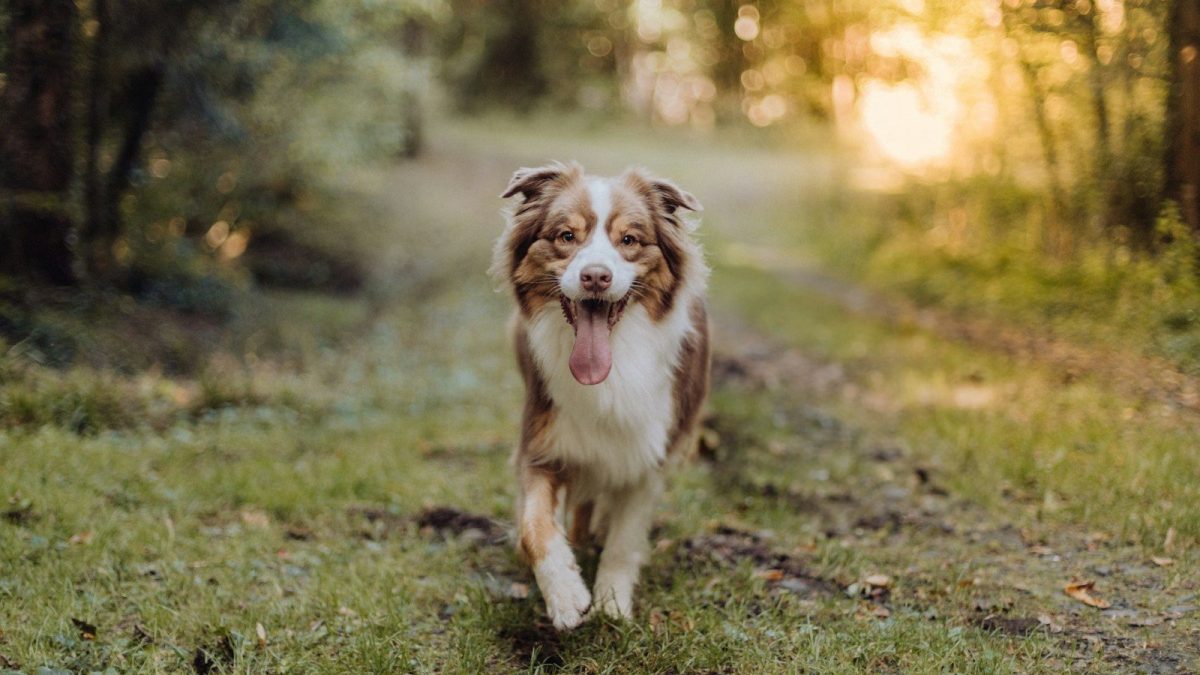
The Australian Shepherd is a medium-sized herding dog with a big brain and a bigger drive to work. Despite the name, the breed was developed in the western United States, not Australia. Aussies are best known for their striking coats — often merle patterns with copper and white markings — and their eyes, which can be blue, brown, amber, or two different colors.
This is a dog that wants a purpose. Bred to move livestock across ranch country, the Aussie carries that same intensity into pet homes. Give it a task — herding, agility, scent work, a long hike with rules attached — and you get a focused, deeply loyal partner. Leave it bored in a backyard and you get chewing, digging, barking, and sometimes an anxious dog that starts inventing its own jobs.
Most Aussies bond hard with their family and stay close, following you room to room. They’re quick to learn, quick to read your mood, and quick to get into trouble if you’re not paying attention. This is not a low-maintenance breed. It’s a rewarding one for the right person, and a genuine headache for the wrong one.
Breed Origin & History
The Australian Shepherd’s story is a bit of a naming accident. The breed took shape in the American West during the 1800s and early 1900s, developed by ranchers and shepherds working sheep. The ‘Australian’ part likely comes from a connection to Basque shepherds who arrived in the U.S. by way of Australia, along with their herding dogs. The breed as we know it, though, was refined on American ranches.
Aussies earned their reputation as versatile stock dogs — able to work cattle, sheep, and just about anything else that needed moving. They gained wider public attention in the mid-20th century through rodeos, Western films, and horse-show demonstrations, which showcased their trainability and flashy looks.
The Australian Shepherd Club of America was founded in 1957 and long served as the primary registry. The American Kennel Club recognized the breed in 1991 and placed it in the Herding Group. Today the United States Australian Shepherd Association serves as the AKC parent club. It’s worth noting the breed is sometimes confused with the Miniature American Shepherd, a smaller, separate AKC breed developed from small Aussies — they are not the same dog.
Temperament & Personality
The Aussie is smart, sensitive, and intense. That combination is exactly what makes the breed extraordinary and exactly what makes it hard. These dogs learn fast — sometimes faster than their owners can keep up with — which means they learn bad habits as easily as good ones.
Most Aussies are devoted to their people and thrive on being included. They tend to be reserved with strangers, sometimes to the point of aloofness, and many have a natural watchdog streak. This makes them alert and attentive, but it also means poor socialization can tip into wariness or reactivity.
Herding instinct runs deep. Aussies may try to herd children, other pets, joggers, or bicycles by circling and nipping at heels. It’s not aggression — it’s the job they were built for — but it needs managing, especially around small kids. Redirecting that drive into training or dog sports is the difference between a controlled dog and a frustrated one.
They’re also emotionally tuned in. An Aussie will read your stress, your schedule, and your energy. That sensitivity makes them wonderful companions but means harsh corrections backfire badly. This breed responds to clear, consistent, positive training and shuts down under heavy-handed methods.
The trade-off is simple: everything that makes an Aussie brilliant — the drive, the intelligence, the loyalty — becomes a problem without enough exercise, structure, and mental work. A bored Aussie is a destructive, noisy, anxious Aussie.
Is This Breed Right for You?
The Australian Shepherd suits people who are genuinely active and want a dog woven into that lifestyle. If you run, hike, bike, compete in dog sports, or live somewhere with room to work a dog daily, an Aussie can be one of the most rewarding partners you’ll ever have. They’re a great match for people who enjoy training and want a dog that can learn complex tasks — agility, flyball, herding trials, obedience, scent work.
They also suit one-person or one-family homes where the dog gets to be close and involved. Aussies want to be with you. If you work from home, spend weekends outdoors, and like the idea of a Velcro dog that follows you everywhere, this could be your breed.
Here’s who should think hard before getting one. If you work long hours away from home, an Aussie will suffer. If your idea of enough exercise is a 20-minute walk, this dog will out-energize you every single day. First-time owners often underestimate the mental stimulation an Aussie needs — physical exercise alone won’t tire out this brain. Apartment living is possible only with serious daily commitment to exercise and training; the space isn’t the main issue, the boredom is.
Families with very young children should go in with eyes open. The herding instinct can lead to nipping at running kids, and while it’s trainable, it takes supervision and work. Aussies can be excellent family dogs, but not automatically.
Be honest with yourself about time. Plan on 1–2 hours of activity daily plus training. If that sounds like too much, a calmer breed will make you both happier.
Care & Exercise Needs
Exercise is non-negotiable. Most Aussies need 60–120 minutes of real activity every day — not a stroll, but running, fetch, hiking, or structured play. Off-leash running in a safe area, dog sports, or herding work are ideal. A tired body isn’t enough, though. The mind needs work too: puzzle feeders, training sessions, scent games, and trick training should be part of the daily routine. Ten to fifteen minutes of training two or three times a day does more to settle an Aussie than an extra walk.
Training should start early and lean on positive reinforcement. Aussies are eager and quick, so short, upbeat sessions work best. Early, thorough socialization — new people, dogs, surfaces, sounds — helps counter their natural reserve with strangers. Redirect herding behavior into commands and games rather than punishing it.
Grooming is moderate. The Aussie has a medium-length double coat that sheds year-round and blows out heavily twice a year, usually spring and fall. Brush once or twice a week normally, and daily during heavy shedding to manage the volume. Occasional baths, regular nail trims, and ear checks round out the routine. Avoid shaving the double coat — it protects against both heat and cold.
Because they’re so bonded and sensitive, Aussies don’t do well left alone for long stretches. Build independence gradually and consider a dog walker or daycare if your days are long. This is a breed that thrives on inclusion and structure, and falls apart with neither.
Health Considerations
Australian Shepherds are generally hardy, but the breed is known to have a higher incidence of several conditions worth understanding. Hip dysplasia and elbow dysplasia appear in the breed, as they do in many active medium-to-large dogs. Eye conditions are a notable concern — Aussies can be affected by collie eye anomaly, progressive retinal atrophy, and cataracts, which is why responsible testing matters.
The breed is also known to carry the MDR1 gene mutation at elevated rates. This affects how some dogs process certain medications, and it’s something to discuss with your veterinarian before any drug is given. Epilepsy and some autoimmune conditions also appear in the breed’s health surveys.
Color genetics matter here too. Breeding two merle-patterned Aussies together can produce ‘double merle’ puppies with a high risk of deafness and blindness, which is one reason ethical breeding practices are important for this breed.
Aussies typically live around 12 to 15 years. Keeping them at a healthy weight protects their joints, and staying on top of eye and orthopedic screening gives you the best shot at catching problems early. None of this should scare you off a well-bred, well-cared-for Aussie — but you should know what to watch for. Always consult your veterinarian about screening, preventive care, and any health concerns specific to your individual dog.
Recommended Gear Categories
A few gear categories matter more for this breed than others. Because Aussies are strong and can pull toward stimulating things — livestock, other dogs, moving vehicles — a well-fitted front-clip or no-pull harness helps with leash control during training. A sturdy, adjustable long line is useful for practicing recall and giving controlled off-leash-style freedom in open areas.
Mental enrichment gear earns its keep with this breed. Look for durable puzzle toys, treat-dispensing feeders, and snuffle mats that make the dog work for food. Rotating a few of these prevents boredom and slows down fast eaters.
For the double coat, a good undercoat rake and a slicker brush make shedding season manageable. If you hike or run with your Aussie, consider a hands-free running leash and, for hot climates, a cooling mat or vest, since the double coat holds heat. Your editor can add specific product recommendations through the gear box.
Similar Breeds to Consider
If you love the Aussie’s brains but want something with a bit less intensity, the Border Collie is worth a look — though be warned, most Border Collies are even more driven and work-obsessed, not less. They suit serious dog-sport competitors and people who want the sharpest herding mind available.
For a similar look and temperament in a smaller package, consider the Miniature American Shepherd. Developed from small Australian Shepherds, it carries much of the same personality and energy in a more compact frame — a good option if you want an Aussie-type dog but have less space, while understanding the exercise needs remain high.
If you want a devoted, trainable herding dog that’s a touch more people-social and adaptable, the Shetland Sheepdog is smaller, still bright and eager, though notably more vocal. And for someone drawn to the loyalty and versatility but wanting a lower-drive companion overall, a well-bred Golden Retriever or Labrador Retriever offers similar family-friendliness and trainability with far less herding intensity and less risk of boredom-driven behavior problems.