
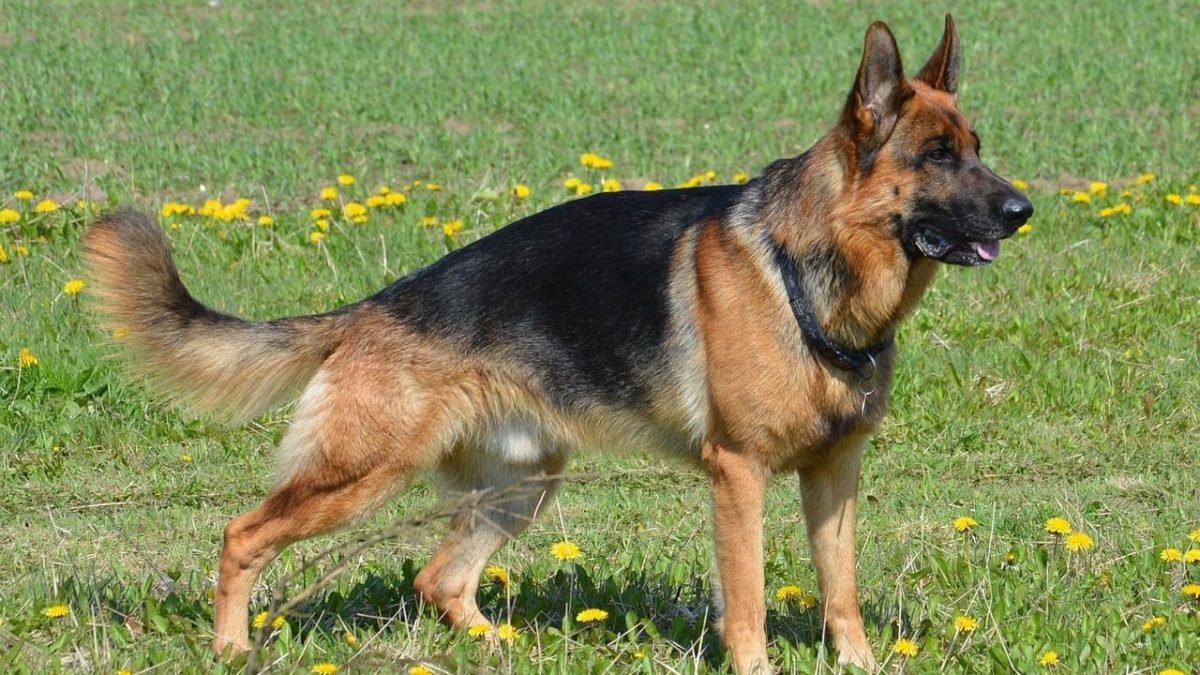
From a distance, these two look like versions of the same dog. Both are tan-and-black, sharp-eyed, and famous for police and military work. People cross-shop them all the time.
But living with one is very different from living with the other. The German Shepherd is intense but more settled — a dog that will train hard, then flop on the couch. The Belgian Malinois is a working engine with the volume stuck near the top.
It rarely turns off. Choosing between them isn’t about which is ‘better.’ It’s about how much drive you actually want in your house, on a Tuesday, at 6 a.m., when you’d rather be drinking coffee than throwing a ball for the fortieth time.
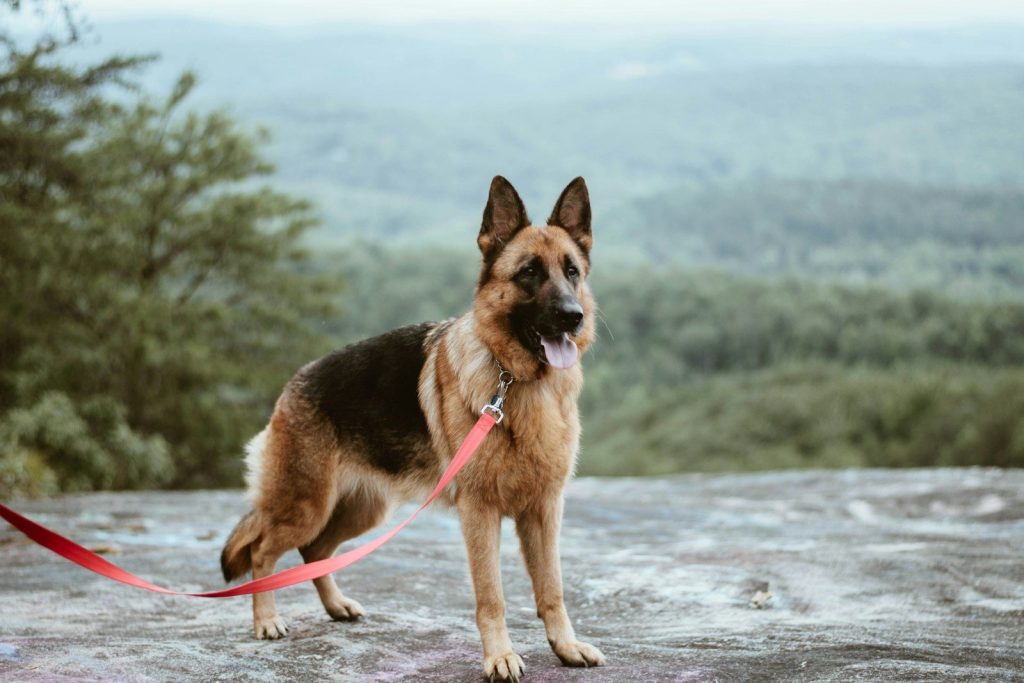
German Shepherd
Read our full German Shepherd profile →
Pros: Deeply loyal, highly trainable, and versatile enough for family life, sport, and service work. Most German Shepherds have an ‘off switch’ — they can match intense activity with genuine downtime at home. They bond hard with their people and tend to be watchful without being frantic. Their trainability is well documented, and the American Kennel Club (akc.org) consistently ranks them among the most popular breeds in the U.S.
Cons: That famous double coat sheds heavily year-round and blows out twice a year. The breed is known to have a higher incidence of hip and elbow dysplasia and degenerative myelopathy — health concerns worth discussing with your veterinarian and researching through the German Shepherd Dog Club of America. Poorly bred or under-socialized dogs can be nervous or reactive. They need real mental and physical work, not just a backyard.
Best for: A committed owner who wants one deeply bonded dog for family life, structured sport, or service work — someone willing to brush several times a week, train consistently, and provide 60–90 minutes of daily exercise, but who also wants a dog that can genuinely relax indoors.
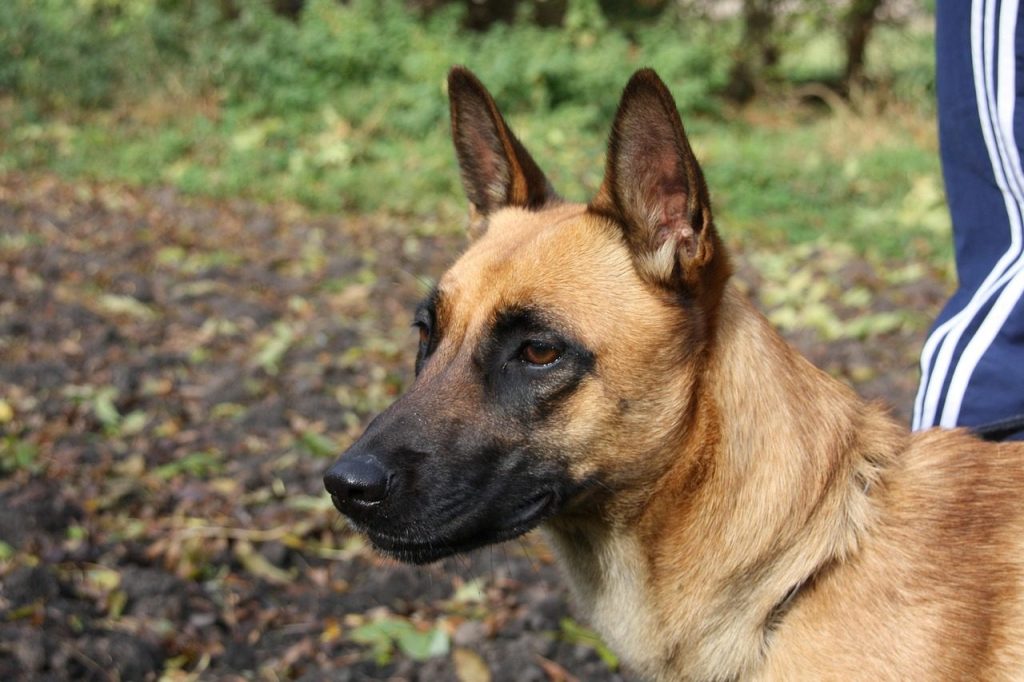
Belgian Malinois
Read our full Belgian Malinois profile →
Pros: Athletic, intensely driven, and razor-sharp to train. A well-matched Malinois is arguably the most capable working dog you can own — quick, agile, and hungry for a job. They’re lighter and more agile than most German Shepherds, with a short coat that’s far easier to maintain. For dog sports like protection work, agility, or advanced obedience, few breeds can keep up.
Cons: This is not a pet for most people, and the breed’s own parent club says so plainly. The Malinois needs hours of structured work every day and will invent destructive, sometimes obsessive behavior if bored — spinning, pacing, chewing, nipping at movement. They can be too much dog for a typical household and often land in rescue when owners underestimate them. Herding-bred nipping instincts around running kids and bikes are common.
Best for: An experienced, active owner who wants a training project as much as a companion — someone doing dog sports, protection work, or a physically demanding job with the dog, and who can commit multiple hours of daily engagement. Not a first dog, and not a low-key one.
Side-by-side comparison
| Attribute | German Shepherd | Belgian Malinois |
|---|---|---|
| Energy level | High, but with a real off switch — settles indoors after a good session. | Extreme and near-constant. Needs multiple hours of work daily to stay sane. |
| Exercise needs | 60–90 minutes daily, ideally mixing physical and mental work. | 2+ hours of structured activity daily, plus ongoing training and jobs. |
| Grooming | Heavy shedder. Brush 3–4 times a week; expect coat blows twice a year. | Short coat, moderate shedding. A weekly brush is usually enough. |
| Trainability | Very high; eager to please and versatile across many roles. | Exceptionally high, but the intensity demands an experienced handler. |
| Size | Males roughly 65–90 lbs, heavier and more substantial in build. | Males roughly 60–80 lbs, lighter and more athletic. |
| Good with families | Often an excellent family dog with early socialization and training. | Can be, but nipping drive and intensity make busy homes with young kids tricky. |
| Suits first-time owners | Possible for a dedicated first-timer who commits to training. | Generally not recommended for first-time owners. |
| Common health considerations | Higher incidence of hip/elbow dysplasia and degenerative myelopathy; ask your vet. | Generally hardy, but hip/elbow issues and some eye conditions occur; ask your vet. |
| Downtime / ‘off switch’ | Usually settles well at home between activity. | Struggles to switch off; needs deliberate rest training. |
Our verdict
If you want one loyal, capable dog that fits into ordinary family life — walks, training, a hike on weekends, then a nap by your feet — the German Shepherd is the more forgiving choice. It rewards consistent training and gives you intensity when you ask for it and calm when you don’t. Just plan for the shedding and read up on the breed’s health tendencies before you commit.
The Belgian Malinois is a specialist. Pick it only if the training itself is the point — if you’re doing protection sport, high-level agility, detection work, or something that genuinely demands a dog with no ceiling. A Malinois in the right hands is spectacular.
A Malinois in a normal pet home, under-exercised and under-employed, is often a miserable dog and an overwhelmed owner. This is the breed most likely to end up rehomed because the owner underestimated it. One honest test: picture your worst week — sick, slammed at work, weather awful.
The German Shepherd can coast through it on shorter walks and some mental games. The Malinois still needs its hours, and it will let you know. Choose the dog that fits your real life, not the one you wish you had.