
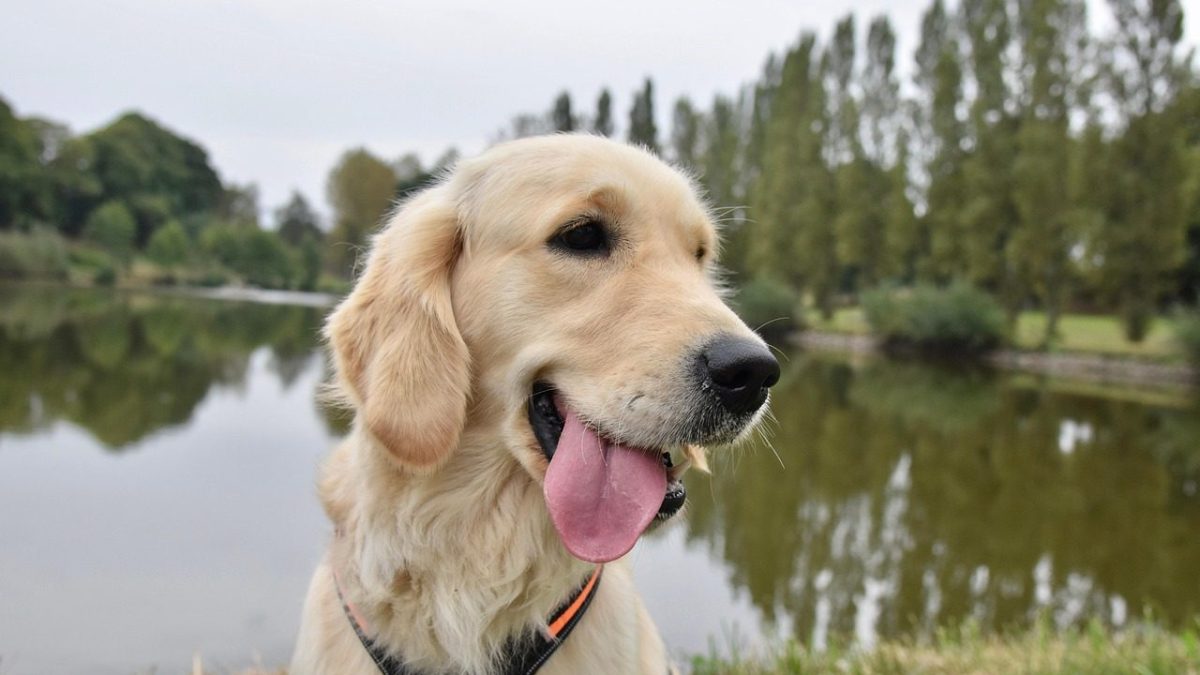
These two top the popularity charts year after year, and for good reason: both are friendly, trainable, family-oriented dogs bred to retrieve game and work closely with people. If you’ve narrowed your search to these two, you already know you want a sociable, active dog. The real question is smaller and more practical.
How much dog hair can you live with? Do you want a dog with a slightly softer, more sensitive personality, or one that’s a bit more rough-and-tumble? And how much of your week can you honestly give to exercise?
The differences here are real, but they’re differences of degree, not opposites. This breaks down where they actually diverge.
Golden Retriever

Read our full Golden Retriever profile →
Pros: Gentle, eager-to-please temperament that tends to be a little softer and more sensitive than the Labrador’s. Most Goldens are patient with children and warm toward strangers. The medium-long double coat is genuinely beautiful, and the breed’s willingness to work makes training a pleasure — they read your mood well and want to get it right.
Cons: That gorgeous coat sheds heavily year-round with two big seasonal blowouts, and it needs brushing 3–4 times a week plus regular ear checks. Goldens can be emotionally needy and don’t handle long stretches of alone time well. The breed also carries a higher-than-average cancer risk that has been documented in the Golden Retriever Lifetime Study run by the Morris Animal Foundation.
Best for: Someone who wants an affectionate, sensitive companion, doesn’t mind a serious grooming and vacuuming routine, and is home enough to give the dog steady company.
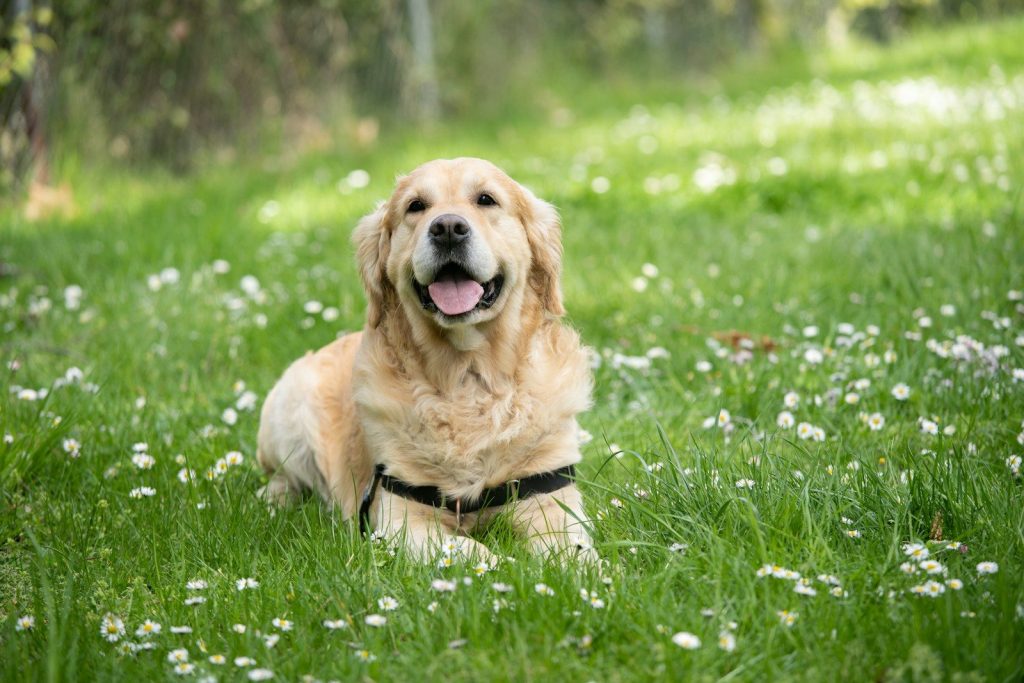
Labrador Retriever
Read our full Labrador Retriever profile →
Pros: Outgoing, resilient, and famously food-motivated, which makes training straightforward for first-time owners. The short double coat is far lower-maintenance than the Golden’s — a weekly brush handles most of it. Labs tend to be a touch more robust and less emotionally fragile, and they adapt well to busy, noisy households.
Cons: Still sheds a lot despite the short coat — the hair is just harder to see until it’s on everything. Labs are prone to weight gain because they will eat well past ‘full,’ and obesity drives joint problems. Young Labs are boisterous and mouthy well into their second year, and an under-exercised Lab will find its own entertainment, usually at the expense of your furniture.
Best for: Active first-time owners, families with kids and chaos, or anyone who wants a hardy, easygoing dog with lighter grooming demands.
Side-by-side comparison
| Attribute | Golden Retriever | Labrador Retriever |
|---|---|---|
| Energy level | High — needs 60–90 min of activity daily, thrives on fetch and swimming | High, often higher when young — 60–90+ min daily, needs a job or a burn-off |
| Grooming | Demanding — brush 3–4x/week, feathering mats, twice-yearly heavy shed | Moderate — weekly brush, but sheds constantly and noticeably |
| Coat | Medium-long double coat with feathering; gold shades | Short, dense double coat; black, yellow, or chocolate |
| Temperament | Gentle, sensitive, eager to please, slightly softer | Outgoing, robust, boisterous, very food-driven |
| Trainability | Very high — responds to warmth and clear cues | Very high — food motivation makes basics easy |
| Good with kids | Typically excellent, patient; supervise around toddlers | Typically excellent, but young Labs can knock small kids over |
| Time alone | Struggles — prone to separation-related stress | Handles it better, but still a social breed |
| Typical size | 55–75 lb, 21.5–24 in per AKC standard | 55–80 lb, 21.5–24.5 in per AKC standard |
| Health watch-points | Hip/elbow dysplasia, certain cancers, eye and heart conditions | Hip/elbow dysplasia, obesity, exercise-induced collapse |
| Lifespan | Roughly 10–12 years | Roughly 11–13 years |
Our verdict
Choose the Golden Retriever if you want a dog with an emotionally attuned, gentle nature and you’re genuinely willing to keep up with the coat. Goldens read the room, lean into their people, and make wonderful companions for someone who’s around a lot — a remote worker, a retiree, a family with someone usually home. Go in clear-eyed about two things: the grooming is a real weekly commitment, and the breed’s elevated cancer risk means regular veterinary checkups matter.
If you love the idea of a soft, devoted shadow and don’t mind hair on your black jeans, this is your dog. Choose the Labrador Retriever if you want a hardier, more happy-go-lucky dog with lower coat maintenance, especially if this is your first dog or your household runs loud and busy. Labs bounce back from chaos, forgive the mistakes of new owners, and channel their enthusiasm into whatever job you give them.
The trade-offs are a rowdy adolescence that lasts well past the puppy stage and a serious tendency toward overeating — you’ll need to measure meals and resist the begging. For active families and people who want a robust, sociable all-rounder, the Lab is hard to beat. Honestly, most people who’d be happy with one would be happy with the other.
If you’re truly torn, let two questions decide: How much grooming will you actually do, and how much will your dog be alone? Heavy shedding tolerance and lots of company favor the Golden; lighter grooming and a busier schedule favor the Lab. Whichever way you lean, look up the breed’s parent club and the AKC Breeder of Merit list before you start your search.